- Category
- Drinks
- State
- Liquid
- Usual unit
- ml
What it is
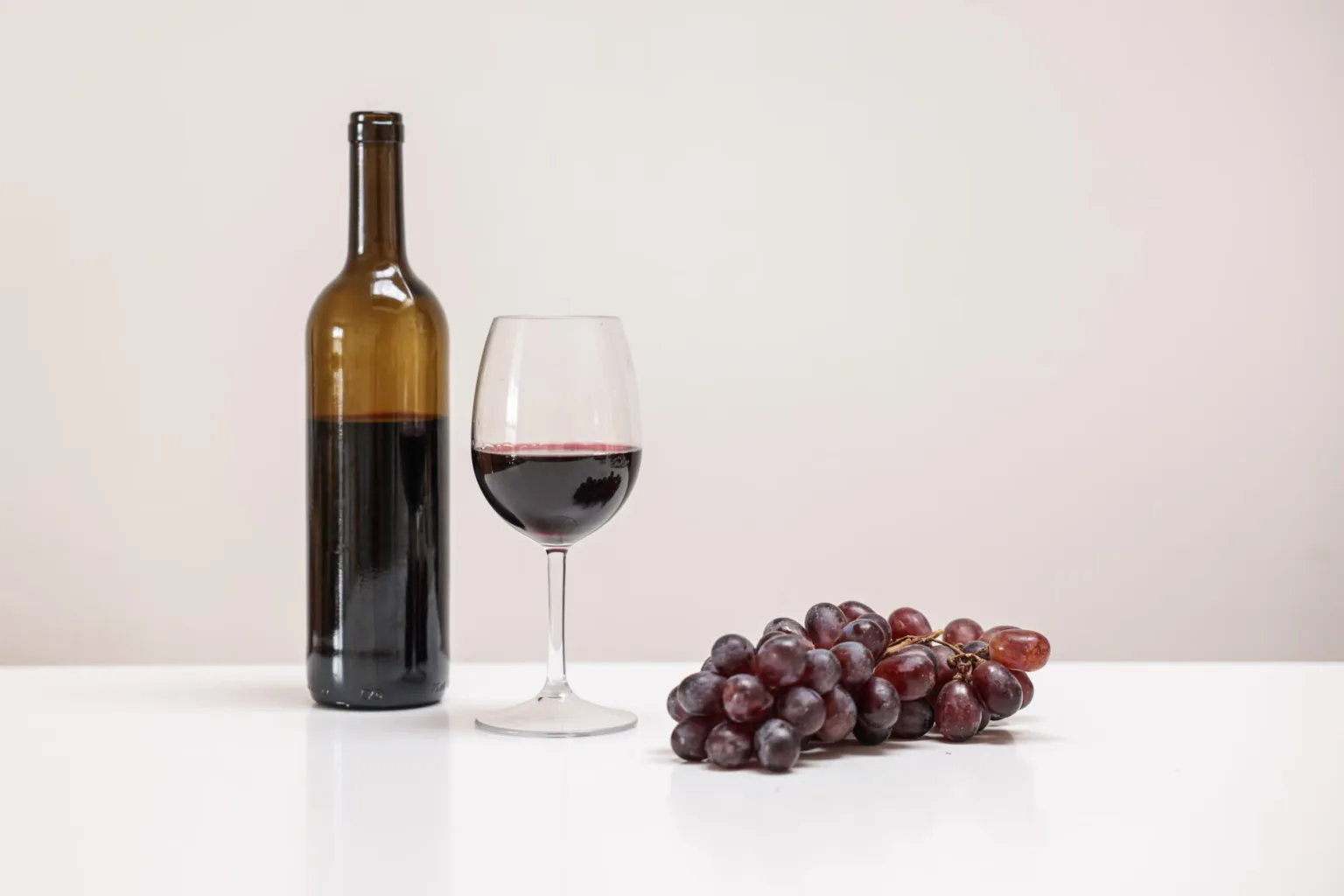
Dry red wine is wine made from dark-skinned grapes that is not perceived as sweet. “Dry” mainly describes the level of residual sugar, not the color or a particular grape variety. Dry reds can differ considerably: grape variety and winemaking influence their body, acidity, tannins, and aromas. Some taste fruity and balanced, while others can seem more intense or astringent. In cooking, dry red wine is used as a liquid ingredient in sauces and stews, as well as being served as a drink. “Dry” does not mean the wine contains absolutely no sugar, and it does not mean every dry red tastes the same. Check the product label for details about the particular wine and any ingredient or sulfite information.
When to use it
Choose dry red wine when you want a drink to accompany strongly flavored food or want to add a wine character to sauces and stews. It can suit meat dishes and traditional recipes with robust sauces. The best choice depends on the dish: a softer style may suit a more delicate preparation, while a more intense profile can work alongside bold flavors. Do not choose by the word “dry” alone, since dry reds vary in acidity, tannins, and fruit notes. If serving it at the table, consider whether its style will appeal to the people drinking it. Do not use wine as an ingredient if alcohol is not appropriate for anyone sharing the meal.
How to use it
Serve dry red wine as a drink or incorporate it into a cooked dish. For cooking, add it to a sauce or stew as part of the recipe’s liquid and let it blend with the other ingredients during preparation. The amount depends on the recipe; avoid adding so much that the wine overwhelms the other flavors. Choose a wine whose profile you enjoy, since its character will also be noticeable in the dish. Dry red wine can bring flavor to sauces and meat stews, but different styles do not produce identical results: grape variety and winemaking affect fruit, acidity, and tannins. If a recipe can accommodate a lighter flavor, dry white wine may be an alternative, though the finished profile will differ. Check the label if you need information about ingredients or sulfites.
Flavour and texture
Dry red wine has no single flavor profile. It may show fruity notes and a balanced feel, or taste more intense, tannic, and astringent. Grape variety and winemaking affect its acidity, body, and aroma. Tannins can leave a drying sensation in the mouth; this does not mean the wine is literally dry to the touch. When cooked, its flavor adds character to a sauce or stew, and the result varies with the wine chosen.
How to choose it
Look for wine labeled dry red and check the product information, including listed ingredients where available. If you plan to cook with it, choose a style you would also enjoy drinking; red wines vary in fruit, acidity, and tannins. Do not assume all dry wines are alike or choose only by grape variety. If you need to avoid sulfites or other ingredients, check the particular wine’s label, since their presence and the information provided can vary.
Storage
Keep the wine in its original container and follow any storage directions on the label. Close the bottle securely after serving and consult the product label for specific instructions after opening. The available information does not support one universal storage period for every bottle; it can vary by product and storage conditions. Do not assume an opened bottle keeps in the same way as an unopened one.
Substitutions
You can replace it with another dry red wine, bearing in mind that grape variety and style will change the dish’s flavor. Dry white wine may work in a recipe that can accommodate a lighter profile, but it will not reproduce the color or character of red wine. Match the choice to the dish and recipe; there is no universal one-to-one substitute for every use.
Common mistakes
Do not confuse “dry” with a grape variety or with the complete absence of sugar. Do not assume every dry red is interchangeable: acidity, tannins, and fruit notes can differ. Choosing a wine whose flavor you dislike or adding too much can make its character dominate the dish. Check the label if you need information about ingredients or sulfites.
Safety and allergens
Wine contains alcohol. Do not use it in food intended for people for whom alcohol is not appropriate. Check the label for product-specific ingredient and sulfite information; sulfites may be present in wine.
Culinary uses
- Bebida para acompañar comidas
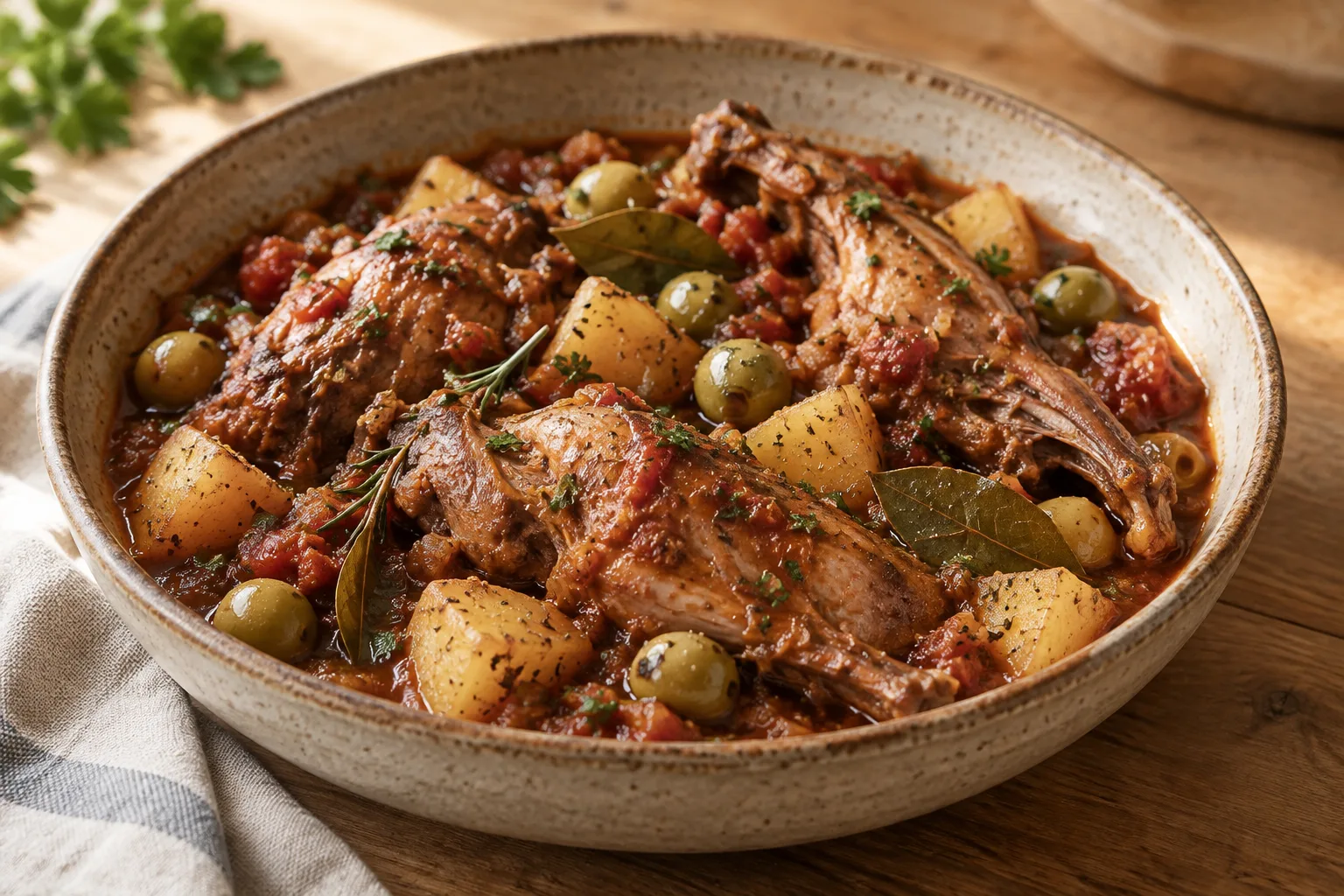
- Ingrediente para salsas y guisos
Recommended techniques
- Añadir a salsas durante la preparación
- Incorporar a guisos para aportar sabor
Pairs well with
- Guisos de carne y platos de carne roja
- Salsas intensas y platos tradicionales como el mole
Frequently asked questions
What does “dry” mean in dry red wine?
It describes wine with little residual sugar compared with sweet styles. It does not identify a grape variety or mean all dry reds taste alike.
Can I cook with dry red wine?
Yes. It can be used in sauces and stews, including meat dishes. The final flavor depends on the wine style and the recipe.
Can I substitute dry white wine?
In some recipes, yes, if a lighter, different profile is acceptable. It will not reproduce red wine’s color or exact flavor.
Can dry red wine contain sulfites?
Yes. Sulfites may occur naturally or be added during winemaking. Check the specific product label.
Ingredient allergens
Allergen listThere are no verified associations for these ingredients yet.
Sources and review
Automatically researched, cross-checked and validated content. Sources consulted:
- ¿Quién decide qué es realmente un vino ‘natural’? doi.org/10.64628/aao.ehdw6ykvs
- Educación sobre la diabetes healthsystem.osumc.edu/pteduc/docs/DiabetesEducation_SP.pdf
- Estudio de la actividad antioxidante de diversas plantas ... upcommons.upc.edu/bitstreams/2ba9295d-50ba-4beb-8513-47ed2974095a/download
- asparagus | UNL Food food.unl.edu/taxonomy/term/347/
- Everything You Never Wanted to Know About Spanish Wines ... scholarcommons.sc.edu/cgi/viewcontent.cgi?article=1279&context=senior_theses
- Explore the Wines We've Poured miamioh.edu/cca/performing-arts-series/wine-tasting/past-pours.html
- El Mejor Vino para Cocinar: Guía para Elegir el Vino Correcto vinoswagner.com/los-mejores-vinos-para-cocinar-guia-esencial/
- Tipos de vino tinto: guía completa para amantes del vino www.thewinecellargroup.com/es/blogs/news/types-of-red-wine?srsltid=AYCX9vJNU-JnYuWMsZcFUUSga…
- Vino seco: qué es, cómo identificarlo y cuáles son los mejores – En Copa de Balón www.encopadebalon.com/blogs/news/que-es-el-vino-seco?srsltid=AYCX9vLTEOXl3nfwGaaDPLCmI0QF3w1…