- Category
- Dairy and eggs
- State
- Fresh
- Usual unit
- g
What it is
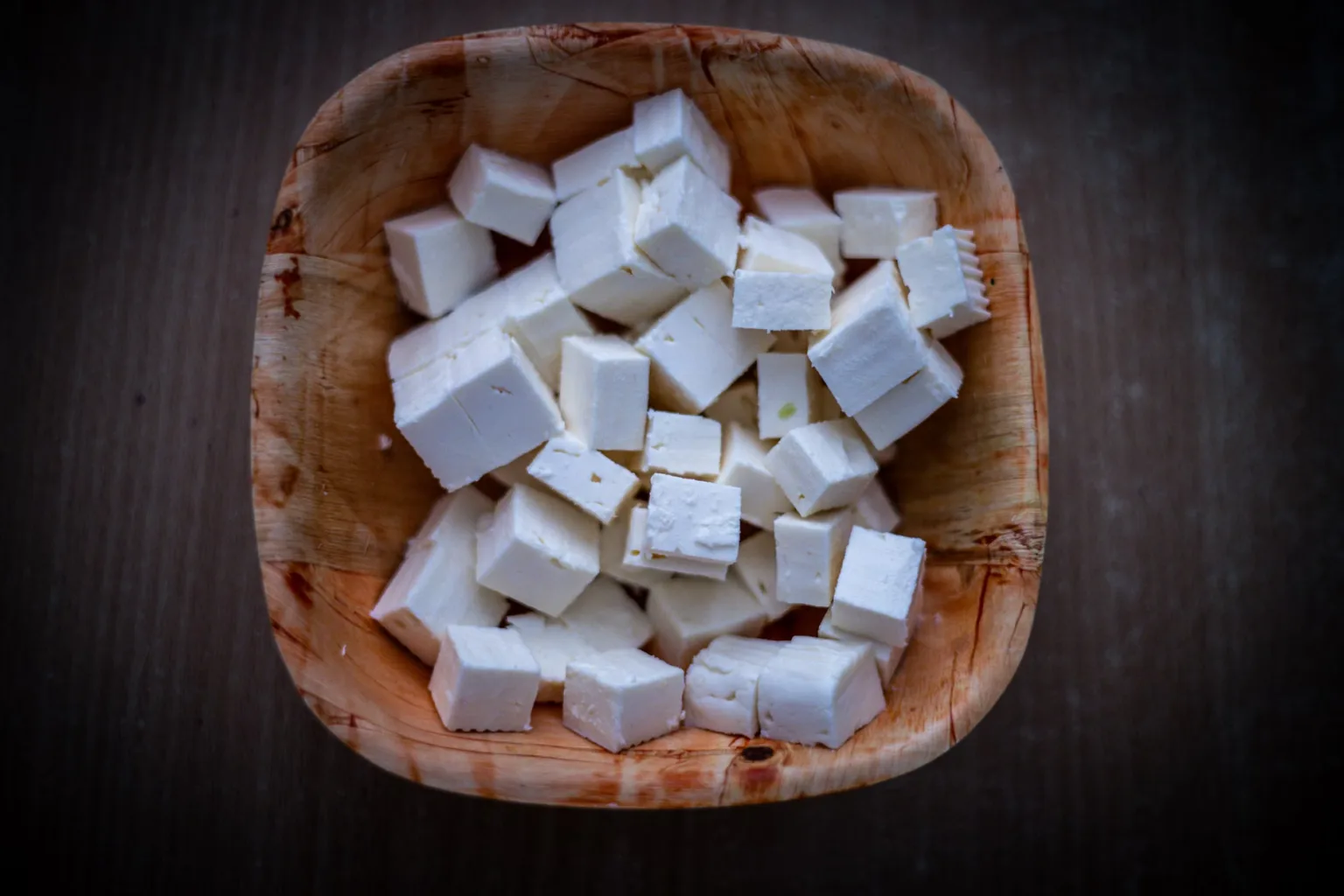
“Feta or cottage cheese” refers to two fresh cheeses that should be distinguished in cooking. Feta is typically white, salty, and slightly tangy, with a texture that crumbles easily; many versions are stored in brine. Cottage cheese is a soft, moist fresh cheese that is generally milder. Exact characteristics depend on the product, so these cheeses are not identical substitutes and should not be treated as one ingredient. Both can add creaminess to savory food, but feta is useful when you want a salty note and visible pieces, while cottage cheese suits dishes that call for a gentler dairy flavor and a softer, wetter texture.
When to use it
Choose feta when you want to add a salty, slightly tangy flavor to salads, vegetables, pasta, or baked dishes. It crumbles readily and remains noticeable in a dish, so it also works as a finishing cheese. Cottage cheese is a better fit when you want a moist, mild ingredient for spreading, mixing into fillings, or adding to a dish without overpowering other flavors. If a recipe simply calls for “fresh cheese,” consider the texture it needs: swapping feta for cottage cheese reduces the saltiness and changes the structure, while using feta instead of cottage cheese makes the result more assertive.
How to use it
Crumble feta over tomato and cucumber salads, roasted vegetables, pasta, or grain dishes just before serving. It can also go into savory pastry fillings, sauces, and baked dishes; its saltiness may affect how much additional salt the recipe needs. Mix cottage cheese into fillings, spread it on bread, or add it to savory preparations when you want moisture and a mild flavor. If it seems too wet for a filling, drain it until it reaches the consistency the recipe requires. Season after mixing and taste before adding salt, especially when feta is part of the dish.
Flavour and texture
Feta is generally dairy-rich, salty, and slightly tangy, with a compact texture that crumbles. Cottage cheese tends to be softer, wetter, and milder, and can have a visibly curd-like texture. Flavor and consistency vary by product and how it is made, so check the package and adapt the recipe instead of assuming the two cheeses behave the same way.
How to choose it
Check the product name and description to confirm whether you are buying feta or cottage cheese: they are not equivalent. Note whether the feta is packed in brine or sold in another form, and allow for its potentially pronounced saltiness. For cottage cheese, choose a consistency that suits the recipe, particularly if it will go into a filling. Check the package and the product’s condition when buying; characteristics differ between products.
Storage
Follow the package’s storage instructions and keep the product refrigerated when directed. If feta is packed in brine, keep it with the liquid as directed by the manufacturer and avoid leaving it uncovered. Keep cottage cheese sealed and use clean utensils. After opening, follow the package instructions and do not eat a product that shows signs of spoilage.
Substitutions
Cottage cheese can replace feta when a milder, wetter result is appropriate, but it will not provide the same salty flavor or crumbly texture. Feta can replace cottage cheese when a stronger flavor is wanted, though it may dominate the dish and be less creamy. Ricotta can work in some fillings instead of cottage cheese, but its moisture and texture vary.
Common mistakes
Do not assume feta and cottage cheese are interchangeable in the same amount without adjusting the dish: they differ in saltiness, moisture, and texture. Avoid adding salt automatically when using feta; taste first. If a filling needs to hold its shape, do not add very wet cottage cheese without draining it as needed.
Safety and allergens
This is a dairy product and contains milk. Follow the package’s storage and use instructions; refrigerate it when directed.
Culinary uses
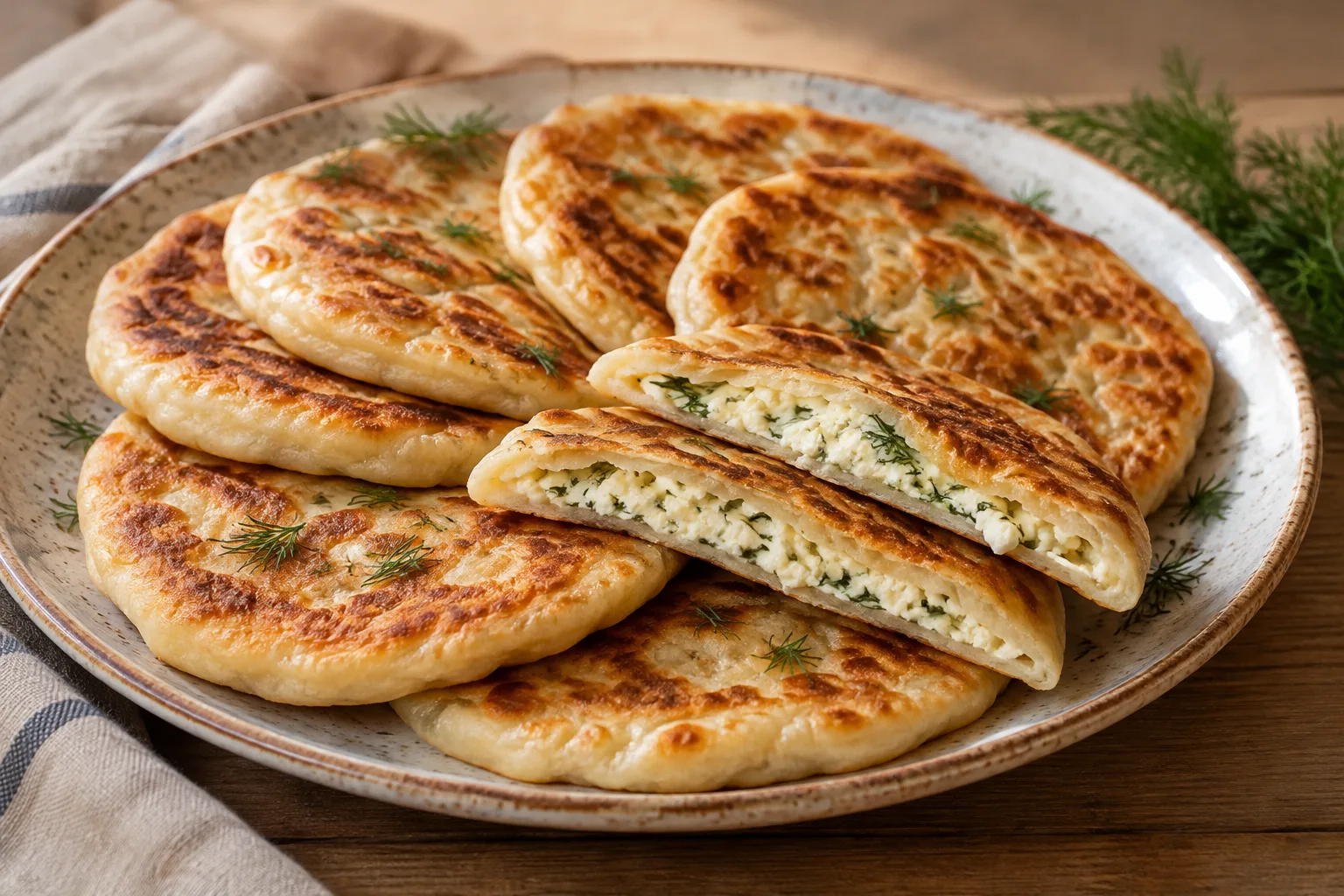
- salty, crumbly finishing cheese
- soft, mild cheese for fillings and spreads
- fresh cheese for salads and savory dishes
Recommended techniques
- crumble over a dish just before serving
- mix into fillings or sauces
- use fresh or add to a baked dish
Pairs well with
- tomatoes, cucumber, olives, and other vegetables
- pasta, salads, and grain bowls
- bread and savory pastries
Frequently asked questions
Are feta and cottage cheese the same?
No. Feta is usually salty and crumbly; cottage cheese is softer, wetter, and milder. Substituting one for the other can change a recipe.
Can I use cottage cheese instead of feta in a salad?
Yes, if you want a milder flavor and a wetter texture. The salad will have less of feta’s salty, tangy character.
How should I use cottage cheese in a filling?
Mix it with the other ingredients and check the consistency. If it is too wet to hold its shape, drain it before adding it.
Ingredient allergens
Allergen listDocumented presence
-
Milk and milk products
Feta cheese or cottage cheese
Sources and review
Automatically researched, cross-checked and validated content. Sources consulted:
- Gastronomía mediterránea - Wikipedia, la enciclopedia libre es.wikipedia.org/wiki/Gastronom%C3%ADa_mediterr%C3%A1nea
- ¿Por qué la muerte es origen de miedos y tabúes? doi.org/10.64628/aao.fccyk3qj3
- Client Challenge doi.org/10.2307/jj.27939689.16
- Queso Ricotta: qué es, propiedades y cómo se come lafamigliarestaurantes.com/blog/queso-ricotta/
- Queso ricotta: Características y usos en gastronomía www.ditaly.es/queso-ricotta/
- Queso feta | qué es, origen, tipos y beneficios codinafoods.com/queso-feta/
- Queso feta: origen, propiedades y usos en la cocina | El Diario Vasco www.diariovasco.com/gastronomia/despensa/queso-feta-origen-propiedades-usos-cocina-202302210…
- El Queso Feta | La Boulette www.laboulette.com/blog/el-queso-feta
- Beneficios del Queso Feta: Un Tesoro Nutricional de Grecia - Grupo TGT www.grupotgt.com/es/blogs/beneficios-del-queso-feta/
- Cocina Fácil, de la Despensa a la Mesa Enlaces de Nutrición - Número #8 extension.psu.edu/cocina-facil-de-la-despensa-a-la-mesa-enlaces-de-nutricion-numero-8/
- Qué es el Queso Feta: análisis y comparativa con los mejores quesos de su categoría laovejaquebala.es/que-es-el-queso-feta/
- Estudio del impacto económico de diversas soluciones al problema del lactosuero generado por la industria quesera | OpenAlex openalex.org/W4214923753
- Marzo es el mes del queso: variedades gourmet y maridajes perfectos | Gastronosfera www.gastronosfera.com/tendencias/marzo-es-el-mes-del-queso
- Las diferencias entre la feta y otros quesos griegos www.greekflavours.com/es-es/blogs/news/diferencias-entre-el-queso-feta-y-otros-quesos-simila…
- Tipos de quesos para dieta - Miplato www.miplato.es/tipos-quesos-dieta/?srsltid=AYCX9vL86J37Fn64J_9UZcfboTnM-w3RRItYFbzL-8HBLf0at…
- Managing allergens | Food Standards Scotland www.foodstandards.gov.scot/business-guidance/running-a-food-business/managing-allergens