- Category
- Fish and seafood
- State
- Fresh
- Usual unit
- kg
What it is
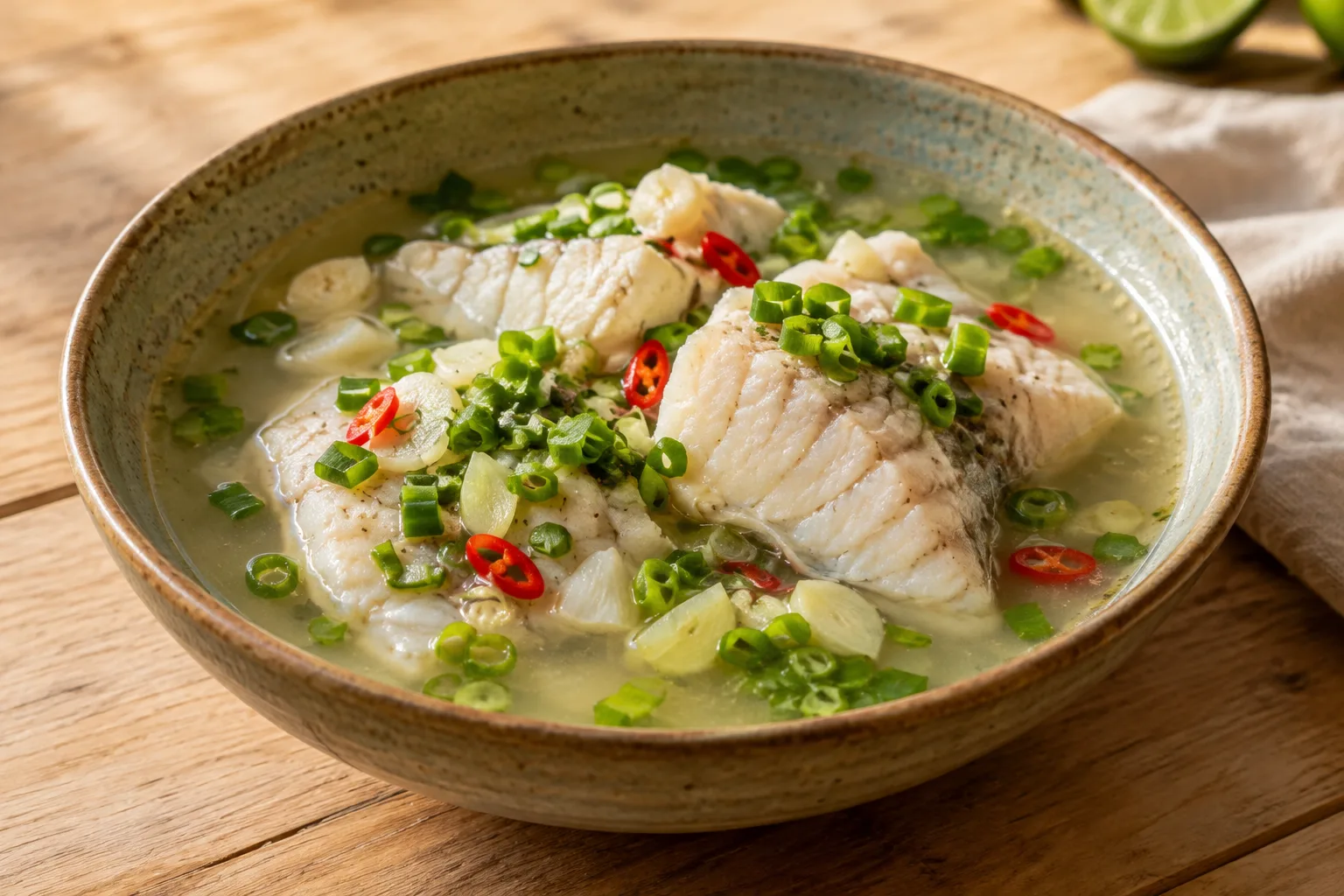
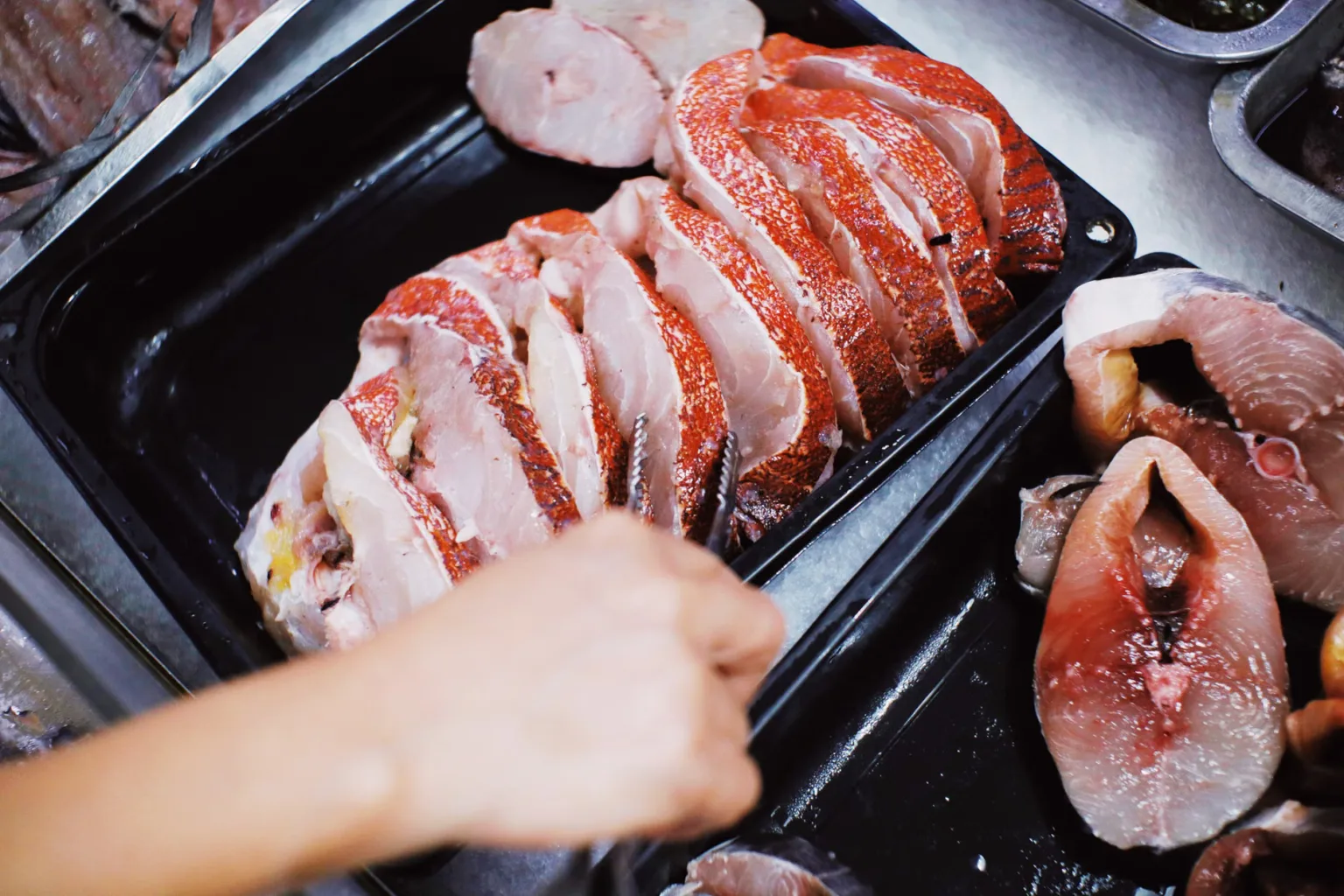
A fish fillet is a portion cut lengthwise from the fish, while a steak is generally cut across the body and may include part of the central bone. Both terms cover many species, so flavor, firmness, fat level, skin and bones can differ considerably. Thin fillets often cook quickly; thicker pieces and steaks are more likely to hold their shape in moist preparations. This convenient format makes it easy to prepare individual portions and choose among methods such as pan-searing, baking, steaming or cooking en papillote. Check the particular cut before you start, noting its thickness and whether it has skin or bones. Those details matter more than the general label when choosing a technique.
When to use it
Choose a thin fillet for a quick pan or grill preparation, and a thicker piece when you want it to hold its shape in a stew or other moist dish. Steaks can suit recipes that call for a more substantial portion. Baking, steaming and cooking en papillote are alternatives to frying. Since species and cuts differ, there is no single cooking time that works for every piece. Take its thickness into account and check it as it cooks rather than relying on a general time.
How to use it
Before cooking, check whether the fish has skin or bones. If you want to brown it in a pan, pat the surface dry and season simply with a little oil and herbs. Cook it in a hot pan or on a grill, turning carefully; thin fillets need close attention so they do not dry out. You can also bake fish, steam it or wrap it in parchment for en papillote cooking. Steaks and thicker cuts are useful in stews or dishes where the piece should hold its shape. Serve with lightly cooked or sautéed vegetables, potatoes or sea vegetables, and choose a simple sauce that complements rather than masks the fish. Cooking time depends on species and thickness, so check the piece and follow official food-safety guidance.
Flavour and texture
Flavor and texture depend chiefly on the species and cut. Some fillets are mild and delicate, while others are firmer or richer. Thin pieces cook quickly and may dry out if left too long; thicker cuts tend to hold their shape better in moist dishes. Skin and bones also affect the eating experience.
How to choose it
Choose a cut to suit the recipe: thin fillets work well for quick cooking, while thicker pieces or steaks can suit preparations where you want the fish to hold its shape. Check the label or ask at the counter which species it is and whether skin or bones remain. Frozen fish can be a practical option; use it according to the package instructions.
Storage
Store fish according to the package or retailer’s instructions, and keep it separate from ready-to-eat foods while preparing it. If you buy frozen fish, follow the package directions for thawing and cooking. Do not assume every species or cut has identical storage requirements; the product’s form and condition can affect the relevant instructions.
Substitutions
A fillet from another species, such as cod, salmon, hake or sole, can stand in for the one specified in a recipe. Thickness, firmness and fat level may differ, so adjust the method and watch the cooking closely. Frozen fillets can also replace fresh ones when used according to the package directions.
Common mistakes
Do not choose a cooking method without considering thickness: a thin fillet does not cook like a thick steak. Avoid applying one fixed cooking time to every species and cut. Also check whether skin or bones remain instead of assuming the portion is completely trimmed.
Safety and allergens
Handle fish hygienically and follow official food-safety guidance and package instructions. Because the species and cut are not specified, there is no single cooking time or temperature that applies to every portion.
Culinary uses
- Main protein in a meal
- Base for quick fish dishes
Recommended techniques
- Pan-searing or grilling
- Baking
- Steaming
- Cooking en papillote
- Frying
Pairs well with
- Lightly cooked or sautéed vegetables
- Fresh herbs and simple sauces
- Potatoes and sea vegetables
Frequently asked questions
What is the difference between a fillet and a fish steak?
A fillet is cut lengthwise from the fish. A steak is generally cut across the body and may include part of the central bone.
Which cut is suitable for grilling?
Thin fillets are convenient for quick grilling, while thicker pieces can also be grilled if you monitor them as they cook.
Can I use frozen fish fillets?
Yes. Frozen fish can be a practical choice. Follow the package directions for storage, thawing and cooking.
Ingredient allergens
Allergen listThere are no verified associations for these ingredients yet.
Estimated nutrition
- Fat
- 12.2 g
- Saturates
- 2.14 g
- Carbohydrate
- 17.4 g
- Sugars
- 0.4 g
- Fibre
- 1 g
- Protein
- 13.8 g
- Salt
- 1.29 g
Sources and review
Automatically researched, cross-checked and validated content. Sources consulted:
- ¿Por qué la muerte es origen de miedos y tabúes? doi.org/10.64628/aao.fccyk3qj3
- Partes de la merluza: tipos de corte y usos | Trucos de cocina www.pescanova.es/trucos-de-cocina/partes-de-la-merluza-cortes-usos/
- FSHN14-05s/FS275: De Compras Para la Salud: Mariscos ask.ifas.ufl.edu/publication/FS275
- La diabetes y la alimentación: Cómo planificar y cocinar comidas sabrosas y saludables | CAES Field Report fieldreport.caes.uga.edu/publications/C1364-08-SP/la-diabetes-y-la-alimentacion/
- Para la ciudadanía www.aesan.gob.es/para-la-ciudadania
- Filetes de pescado: diferentes maneras de cocinarlos | Consumer www.consumer.es/alimentacion/filetes-de-pescado-diferentes-maneras-de-cocinarlos.html
- El pescado en la gastronomía scripta.up.edu.mx/bitstreams/5469cf2d-4125-4915-9227-1ae0910d538e/download
- Parrilla Tilapia Hamburguesas | Dinner Tonight dinnertonight.tamu.edu/recipe/parrilla-tilapia-hamburguesas/
- - YouTube www.youtube.com/watch?v=qjnPWLjvpLo
- Food allergen labelling and information requirements technical guidance - GOV.UK www.gov.uk/government/publications/food-allergen-labelling-and-information-requirements-tech…