- Category
- Fish and seafood
- State
- Fresh
- Usual unit
- kg
What it is
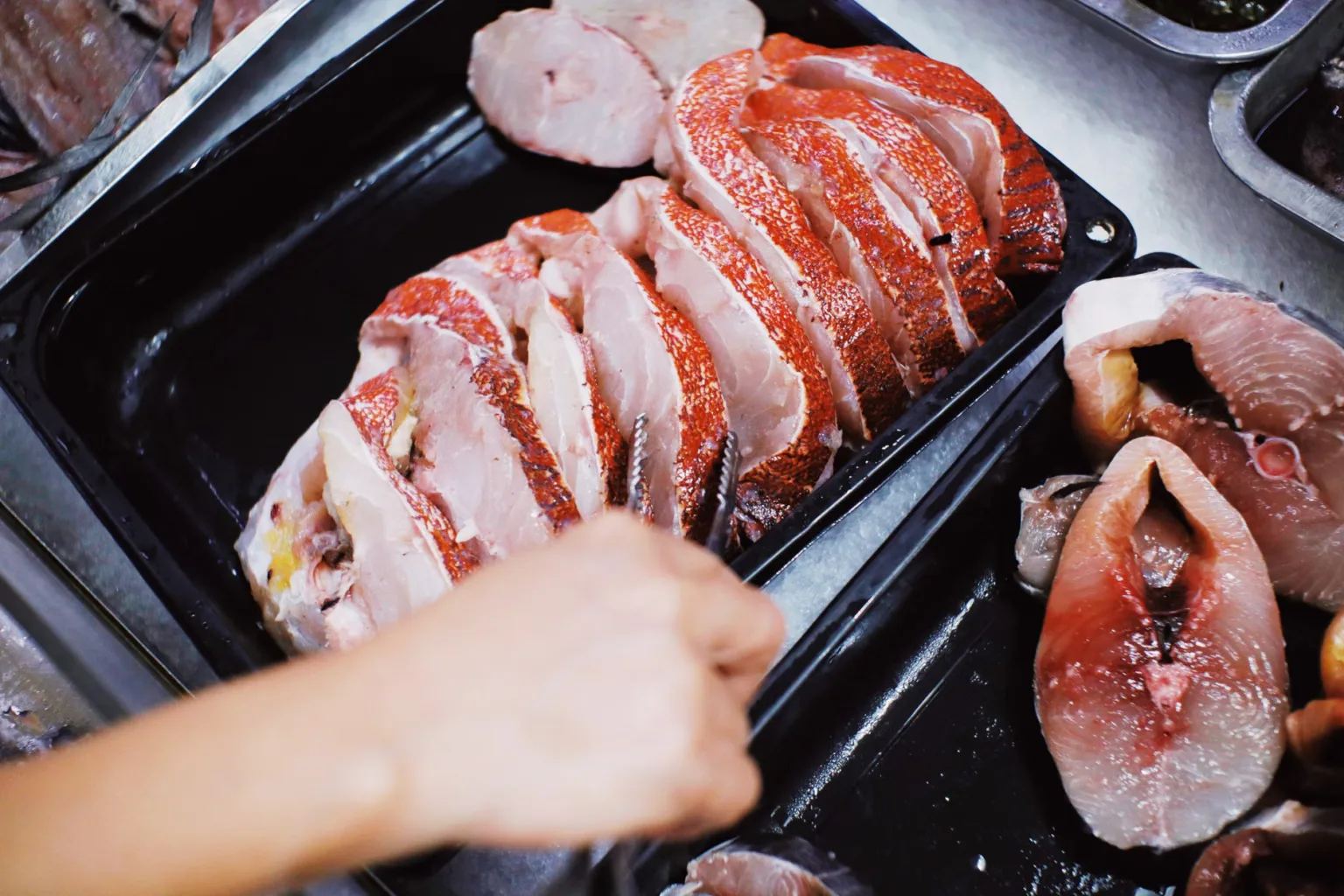
A fillet is cut lengthwise from the sides of a fish, along the backbone; a steak is cut crosswise and may include part of the central bone. Both terms cover many species and cuts, so they do not describe one consistent flavor or texture. Some fish have a mild taste and flaky flesh, while others are more strongly flavored and firmer. The species named on the label, together with the cut’s thickness and shape, helps guide cooking. Fillets are often convenient to portion and prepare, while steaks may need different handling because of their shape and possible bones. This guide offers general advice: identify the species and adapt the method to the particular piece you have.
When to use it
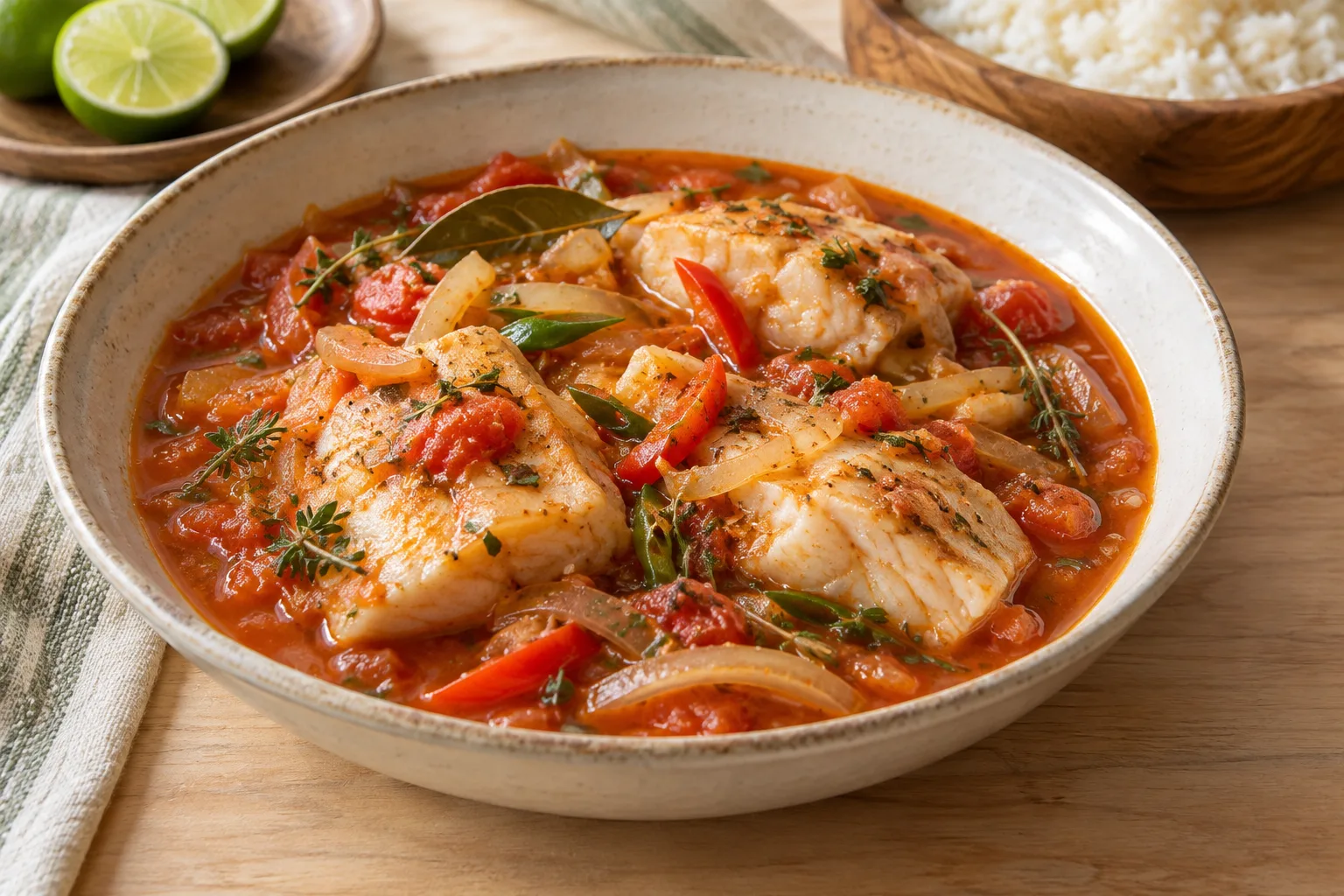
Choose fish fillets or steaks when you want fish as a main dish or as an addition to soup, stew, tacos, wraps, or grain bowls. Clean-cut portions can save preparation time, but the species and thickness still matter. A delicate fillet may suit steaming or en papillote cooking; a firm piece may work better on a griddle or grill. If a recipe calls for a specific species or texture, look for a substitute with similar firmness and thickness. Use the species name and the cut’s appearance to guide your choice rather than relying only on the general word “fish.”
How to use it
Check the label to identify the species and look at the thickness before choosing a cooking method. You can bake fish, cook it in a hot pan or on a griddle, grill it, steam it or cook it en papillote, or add it to soup or stew. For a simple serving, pair it with citrus, herbs, and vegetables; potatoes or grains also make suitable accompaniments. Thin and thick cuts do not necessarily cook in the same way, so avoid applying one fixed time to every piece. Monitor the fish as it cooks and follow the package directions and local official food-safety guidance. Check for and remove any bones before serving.
Flavour and texture
Flavor and texture vary with species and cut. Some fish taste mild and separate into flakes; others have a stronger flavor and firmer flesh. Thickness, moisture, and the presence of skin or bones also affect how a portion eats. Citrus and herbs can brighten a delicate profile, while vegetables and light sauces add contrast without needing to mask the fish. Do not assume that all fillets or steaks respond to heat in the same way.
How to choose it
Check the label for the species name, and ask if it is unclear which fish you are buying. Choose a piece that looks firm and moist, without dark or dried edges, and has a mild smell rather than a strong or sour one. For packaged fish, avoid damaged packaging and check the storage directions. Thickness, shape, skin, and bones can help you decide whether the cut suits your recipe. If the fish is sold frozen, follow the package instructions for handling it.
Storage
Refrigerate fresh fish as soon as possible and follow the package or seller’s storage directions. As general guidance, a university extension resource advises planning to cook fresh fish within two days of purchase; this does not replace product-specific instructions. Keep the fish in a container and prevent its juices from dripping onto other foods. If you need to keep it longer, follow the package directions for freezing and thawing, or consult local official food-safety guidance.
Substitutions
You can replace a fillet or steak with another fish of similar firmness and thickness. Options in this broad category include cod, haddock, hake, sole, flounder, and tilapia, but they are not identical in taste or texture. Adjust the method and monitor cooking when changing species or portion size. If a recipe depends on the piece holding its shape, choose a firm fish and a comparable cut rather than substituting based only on color or the general label “white fish.”
Common mistakes
A common mistake is treating all fish fillets and steaks as interchangeable. Species, thickness, and firmness affect cooking, so do not copy a cooking time from a recipe using a different cut without adjustment. It is also easy to cover a delicate flavor with too much sauce or overcook a thin piece. Identify the fish, choose a method suited to its shape, and keep an eye on it as it cooks.
Safety and allergens
Keep fish refrigerated and follow the package’s storage and preparation directions. Handle it hygienically and consult local official food-safety guidance, especially if serving it raw or undercooked. Check cuts for bones before serving. Fish is an allergen; inform anyone eating the dish and avoid cross-contact if someone has a fish allergy.
Culinary uses
- Main dish
- Protein for soups and stews
- Filling for tacos, wraps, and grain bowls
Recommended techniques
- Bake
- Grill or cook on a hot griddle
- Pan-fry
- Steam or cook en papillote
- Add to soups and stews
Pairs well with
- Citrus and fresh herbs
- Vegetables, including lightly cooked or sautéed vegetables
- Potatoes or grains
- Light sauces and dressings
Frequently asked questions
What is the difference between a fish fillet and a fish steak?
A fillet is cut lengthwise from the sides of the fish; a steak is cut crosswise and may include part of the central bone. Shape and bones vary with the fish and the cut.
Can I substitute one fish species for another?
Yes, if the recipe allows it. Choose a piece with similar firmness and thickness, and adapt the method because flavor and texture differ between species.
Is there one cooking method that works for every fillet?
There is no single method or universal cooking time. Fish can be baked, grilled, pan-cooked, fried, steamed, or added to soups and stews; the species and cut help determine the best approach.
Ingredient allergens
Allergen listThere are no verified associations for these ingredients yet.
Estimated nutrition
- Fat
- 12.2 g
- Saturates
- 2.14 g
- Carbohydrate
- 17.4 g
- Sugars
- 0.4 g
- Fibre
- 1 g
- Protein
- 13.8 g
- Salt
- 1.29 g
Sources and review
Automatically researched, cross-checked and validated content. Sources consulted:
- ¿Por qué la muerte es origen de miedos y tabúes? doi.org/10.64628/aao.fccyk3qj3
- The Essential Glossary of Cooking Terms for the Culinary Arts - Escoffier www.escoffier.edu/blog/culinary-arts/the-essential-glossary-of-cooking-terms-for-the-culinar…
- Nutrition After Your Transplant - Health Online healthonline.washington.edu/sites/default/files/record_pdfs/Nutrition-After-Your-Transplant-…
- Pescado archive.lib.msu.edu/DMC/extension_publications/e1563/e1563.pdf
- Filetes de pescado: diferentes maneras de cocinarlos | Consumer www.consumer.es/alimentacion/filetes-de-pescado-diferentes-maneras-de-cocinarlos.html
- Revista del comité científico de la aecosan número 24 www.aesan.gob.es/en/dam/jcr:5b961668-2614-411b-b439-918971fe7371/ALERGIA_ANISAKIS.pdf
- filetes de pescado de 4 onzas Archives | Dinner Tonight dinnertonight.tamu.edu/ingredient/filetes-de-pescado-de-4-onzas/
- Pescado - Agosto 2024 | OSU Extension Service extension.oregonstate.edu/node/234996
- Tacos de Pescado Sencillos wpcdn.web.wsu.edu/wp-extension/uploads/sites/3037/2024/11/Tacos-de-Pescado-Sencillos-.pdf
- Pescado horneado con tomates, hojas vegetales, y champiñon | University of Maryland Extension extension.umd.edu/programs/family-consumer-sciences/snap-ed/eat-smart/en-espanol/recipes-spa…
- - YouTube www.youtube.com/watch?v=UlaWN1xy1gQ
- El pescado en la gastronomía scripta.up.edu.mx/bitstreams/5469cf2d-4125-4915-9227-1ae0910d538e/download
- Filete de pescado blanco firme: usos, técnicas y consejos — KitchenPause www.kitchenpause.com/es/ingredientes/filete-de-pescado-blanco-firme
- Food allergen labelling and information requirements technical guidance - GOV.UK www.gov.uk/government/publications/food-allergen-labelling-and-information-requirements-tech…