- Category
- Vegetables
- State
- Fresh
- Usual unit
- kg
What it is
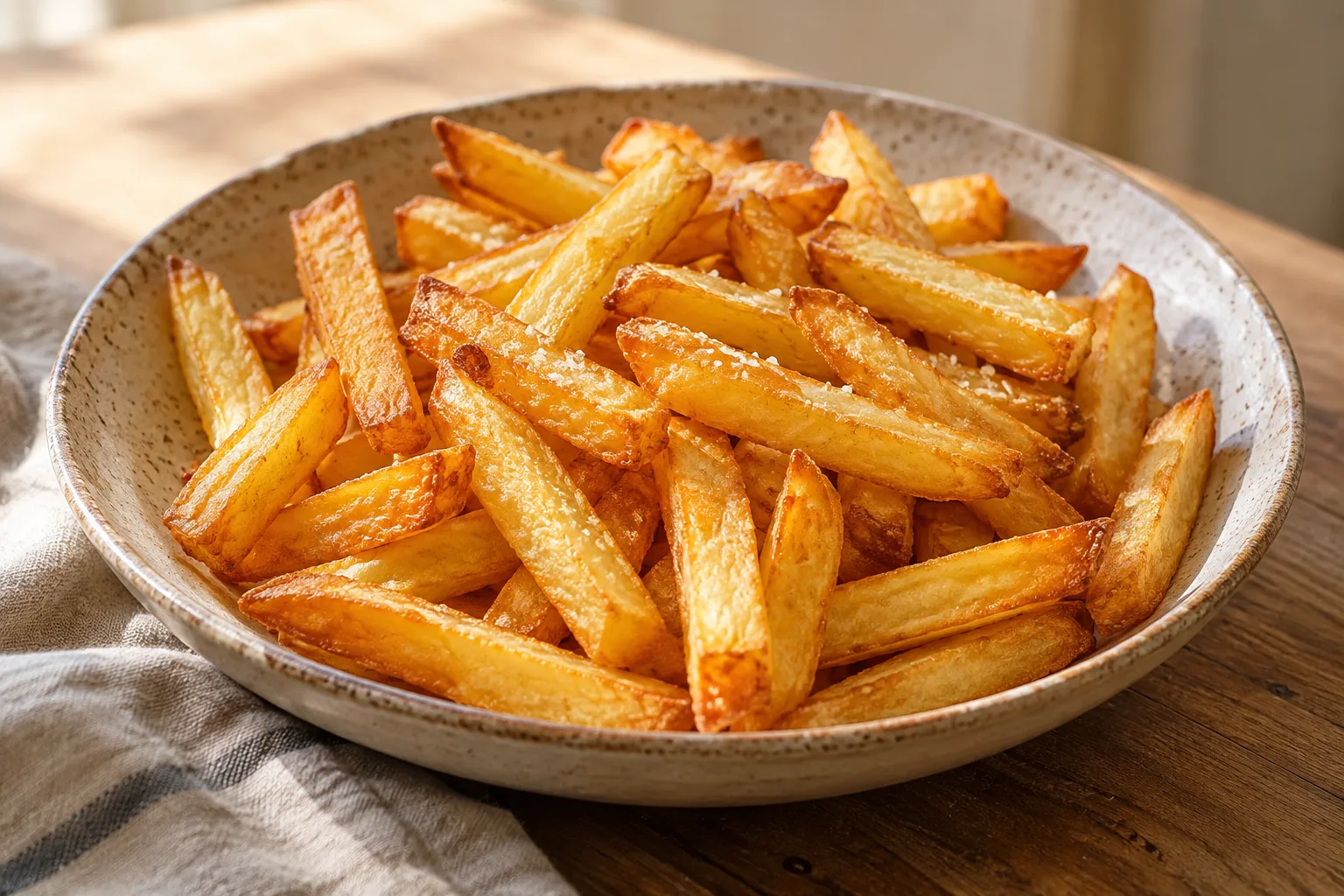
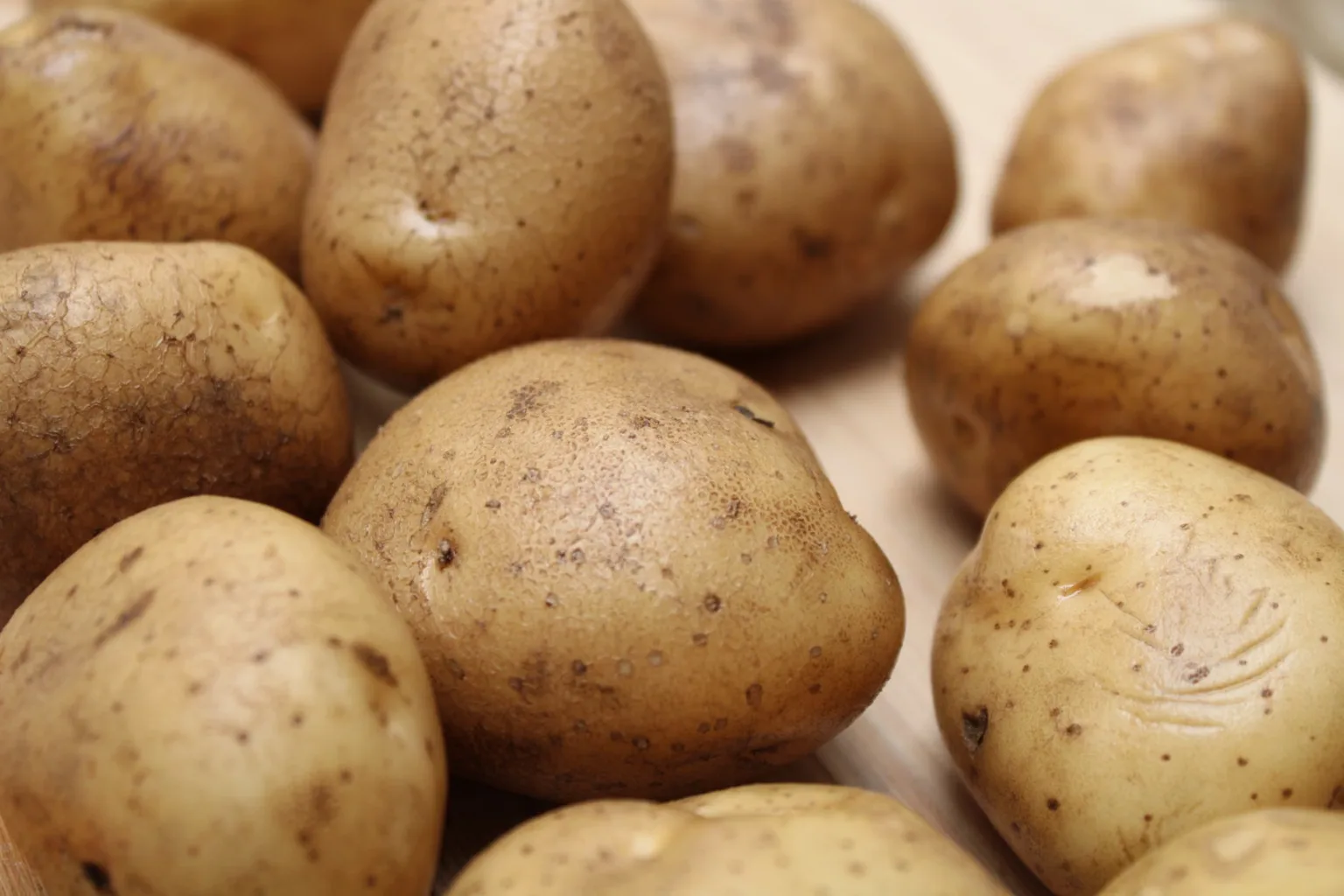
Floury potatoes are potatoes that tend to become drier, denser and fluffier when cooked than waxy types. This culinary difference is commonly associated with a higher starch proportion and lower moisture, although the categories are not absolute: variety, growing conditions and storage also affect texture. As they cook, their cells are more likely to separate, so the potato can break apart more readily than a firm type. Floury is not the name of a single variety; it is a useful description for choosing potatoes according to the result you want. They are commonly used for mash, frying and roasting, while salads usually benefit from potatoes that hold their shape.
When to use it
Choose floury potatoes when you want a soft, dry or fluffy interior, as in mashed potatoes, baked potatoes or fries with a crisp outside and tender centre. They can also work well in stews when you want some of the potato to break down and add body to the cooking liquid. They are less suitable for salads where the pieces should stay intact; a firm or waxy potato is usually a better fit for that result. A label can guide you, but performance varies with variety and storage.
How to use it
Wash the potatoes thoroughly under running water before preparation, removing soil and damaged areas. For mash, cook until tender, drain and crush; avoid overworking them, which can make the texture sticky. For roasting, cut pieces evenly and cook until the centre is tender and the surface is browned. For frying, cut evenly and dry the surfaces well before adding them to the oil; this removes surface moisture and helps the outside crisp. In stews, add them in pieces and expect them to soften and thicken the liquid. The exact result depends on piece size, variety and cooking method.
Flavour and texture
Their flavour is usually mild and unobtrusive, so they take well to varied seasonings and accompaniments. Texture is their defining feature: boiled, they can be dry and crumbly; mashed, soft and light; and roasted, browned outside with a tender centre. Compared with a waxy potato, a floury one tends to hold its shape less well. Not every potato sold as floury behaves in exactly the same way.
How to choose it
Look for potatoes labelled floury or starchy when you want fluffy mash, fries or roast potatoes. Some varieties, such as Agria, are cited for frying, but a variety name alone does not guarantee identical results in every growing or storage condition. Use any cooking-use label from the pack or seller as a guide. For potato salad or a side dish of intact pieces, choose a potato described as firm or waxy instead.
Storage
Keep raw potatoes in a cool, dark, dry and ventilated place, and avoid letting moisture collect around them. A box or bag that allows air circulation can help keep them dry. Keep them away from light and check stored potatoes occasionally, removing any that deteriorate. Storage life depends on conditions, so no single duration can be specified here.
Substitutions
An all-purpose potato can replace a floury one, although the result may be less dry and fluffy. A waxy potato can also work when holding its shape is the priority, as in a stew with distinct pieces or a salad, but it will not make the same light mash. When changing type, adjust to the potato’s observed behaviour rather than assuming all potatoes soften in the same way.
Common mistakes
Using a waxy potato while expecting very dry, fluffy mash can produce a firmer result. Conversely, choosing a floury potato for salad can cause the pieces to break apart. Overworking mash is another common problem and can make it sticky. Do not assume every variety or batch has the same moisture level or cooking behaviour.
Safety and allergens
Wash potatoes, hands, utensils and work surfaces before preparing food. Keep utensils and surfaces clean during preparation. No additional specific safety warning for this culinary type of potato is established here.
Culinary uses
- Base de purés y croquetas
- Guarnición asada o frita
- Espesante para guisos
Recommended techniques
- Hornear o asar
- Freír
- Hervir y hacer puré
- Cocer en guiso
Pairs well with
- Mantequilla, leche o nata en purés
- Hierbas y especias
- Verduras, carnes, pescados y huevos
Frequently asked questions
What dishes suit floury potatoes?
They are especially useful for mash, frying and roasting when a soft or fluffy interior is wanted.
Can I use floury potatoes in potato salad?
You can, but they tend to break apart more readily than firm or waxy potatoes. For pieces that hold their shape, a firm potato is usually preferable.
Do all floury potatoes cook the same way?
No. Variety and factors such as growing conditions and storage can change moisture and texture. The category is a cooking guide, not an exact guarantee.
Ingredient allergens
Allergen listThere are no verified associations for these ingredients yet.
Sources and review
Automatically researched, cross-checked and validated content. Sources consulted:
- ¿Por qué la muerte es origen de miedos y tabúes? doi.org/10.64628/aao.fccyk3qj3
- Client Challenge doi.org/10.2307/jj.27939689.16
- Patatas: variedades y usos en la cocina - Ferjusanz www.ferjusanz-frutas-verduras.es/blog/patatas-variedades-y-usos-en-la-cocina/
- ¿Cuántos tipos de patata existen? Nombres y usos fruteriasilvestre.com/cuantos-tipos-de-patata-existen/
- Desarrollo de un pan de masa madre rico en GABA y péptidos ... diposit.ub.edu/bitstreams/c65d2e73-d41c-4715-b8e0-cc85adfa9c24/download
- Vamos a Conservar Alimentos: Sopas extension.psu.edu/vamos-a-conservar-alimentos-sopas/
- Manihot esculenta - Wikipedia, la enciclopedia libre es.wikipedia.org/wiki/Manihot_esculenta
- Cocinando patatas. Cocinar con patatas | Gastronomía Vegana www.gastronomiavegana.org/articulos/cocinando-patatas/
- Qué diferencia hay entre las patatas harinosas y las patatas cerosas | Gastronomía & Cía www.gastronomiaycia.com/que-diferencia-hay-entre-las-patatas-harinosas-y-las-patatas-cerosas…
- Qué variedades de patata usar según la manera de cocinarlas www.hola.com/cocina/noticias/20200820173799/variedades-como-cocinar-patatas/
- Variedades de patata en España: guía breve para conocerlas antes de cocinarlas margavilan.substack.com/p/variedades-de-patata-en-espana-guia
- Patatas harinosas - Gallina Blanca www.gallinablanca.es/trucos/patatas-harinosas/
- ¿Cuáles son las patatas más comunes? www.ametllerorigen.com/es/blog/los-tipos-de-patatas-mas-habituales/
- Patata: tipos, usos, técnicas y recetas - CocinoPedia.com cocinopedia.com/enciclopedia-gastronomica/patata-tipos-usos/
- - YouTube www.youtube.com/watch?v=UcPz1dNrXnw