- Category
- Oils and fats
- State
- Fresh
- Usual unit
- ml
What it is
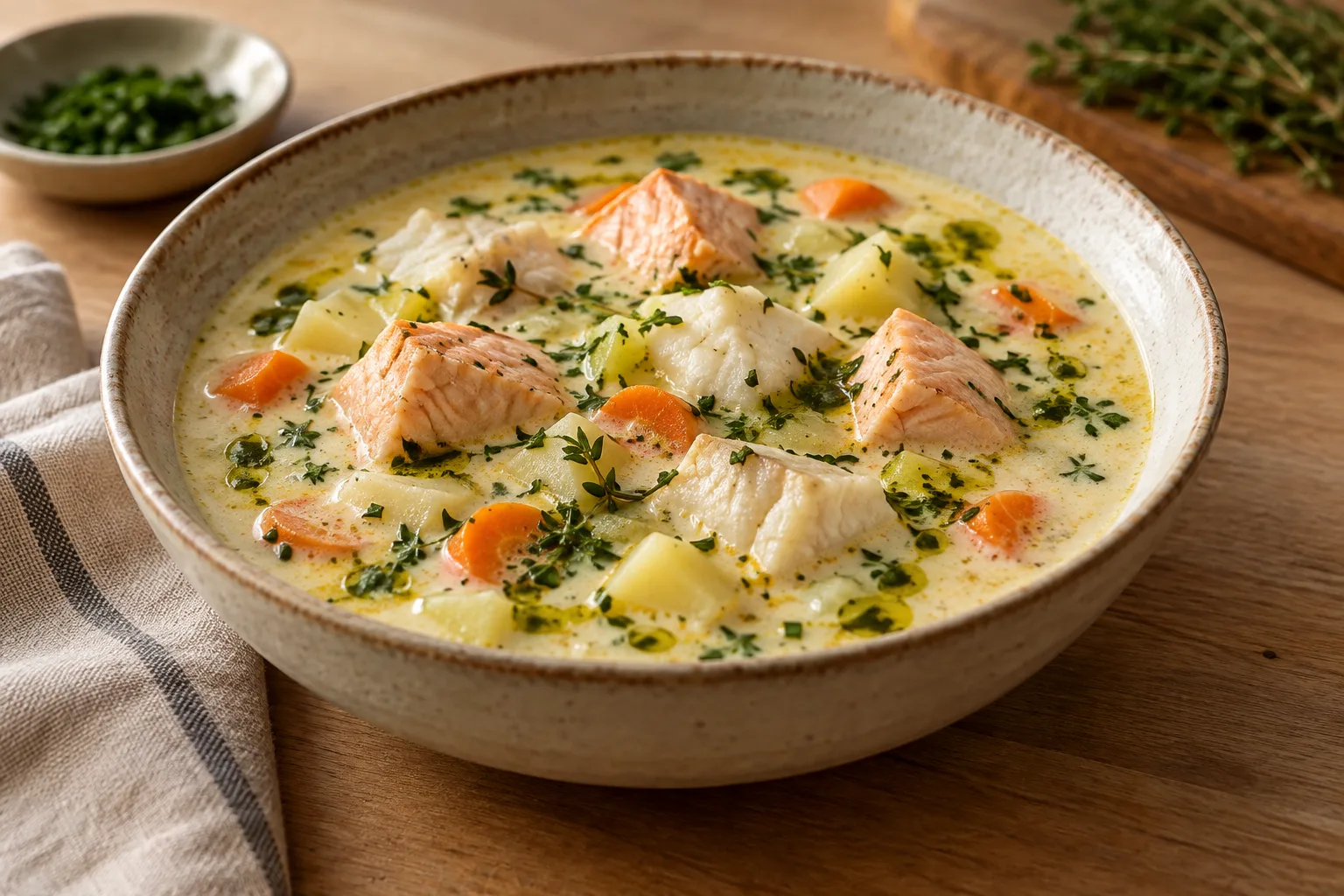
Fresh herb oil is a culinary preparation that combines oil with fresh herbs to contribute aroma and flavor. The herbs can be chopped or blended into the oil, or left in contact with it to flavor the oil. The result varies with the herbs and the strength of their aromas, so there is no single standard mixture. It is used mainly as a finishing condiment or as an ingredient in dressings and sauces. It is not a universal oil recipe and should not be confused with a preserved product. For practical purposes, think of it as a fresh mixture made in a small quantity to serve freshly prepared.
When to use it
Use it when you want to add a herbal aroma to a cooked dish or bring an oil-and-herb note to a dressing or sauce. It can accompany roasted or grilled vegetables and finish pasta, pizza or grilled meat. Add it near the end so its flavor remains noticeable and you can adjust the amount before serving. Basil, sage, thyme, oregano and rosemary offer different profiles for Mediterranean-style dishes; mint brings another note that can suit some vegetables. Since intensity depends on the herbs and their proportions, start with a little, taste, and add more only if needed.
How to use it
Choose clean fresh herbs and an oil you enjoy on its own. For a mixture with visible herb pieces, chop or blend the herbs with the oil; for an infused flavor, let them sit in the oil and remove the solids before serving if desired. Add the result in small amounts over cooked vegetables, pasta, pizza or grilled meat, or mix it with other ingredients for a dressing. Taste before adding more, as some herbs can dominate a dish. You can also serve chopped herbs and plain oil separately so each person can adjust the mixture. Prepare a small quantity to serve freshly made, rather than treating it as a preserve for storage.
Flavour and texture
Flavor depends on the herb and oil: it may taste green and fresh, aromatic, resinous or lightly minty. The oil gives a smooth, coating texture and carries the herbs’ aroma through a dish. Chopping or blending leaves visible pieces and usually makes the mixture cloudy; flavoring the oil without blending the herbs can produce a clearer appearance. Intensity varies with the herbs and proportions. Start with a small amount and taste before adding more.
How to choose it
If buying herb-flavored oil, read the ingredient list to see which herbs it contains and what oil forms the base. Look for a pleasant aroma that is not meant to hide an unpleasant-tasting oil. To make it at home, choose clean fresh herbs and an oil you enjoy on its own. Extra-virgin olive oil is one possible choice, but it is not the only option. Buy or make an amount that suits your planned use; a mixture with fresh herbs is intended to add aroma when serving, not to disguise poor-quality ingredients.
Storage
For a fresh aroma, make only as much as you plan to use at the time and serve it freshly prepared. Do not treat a homemade mixture of oil and fresh herbs as a preserve or assume it can be stored like a commercial product. A mixture with blended herbs may change in appearance and aroma. If you want flavored oil for another occasion, choose a commercial product and follow its label directions rather than keeping a fresh preparation for later.
Substitutions
If you do not have herb oil, serve plain oil and chopped fresh herbs separately; this lets you adjust each flavor to suit the dish. Oil can also be flavored with dried herbs, though the result will have a different profile and the amount may need adjustment. Do not automatically replace any sauce or oil with this mixture: use it as a condiment, add a little, and taste before serving. Fresh and dried herbs do not give exactly the same aroma or texture.
Common mistakes
Do not expect herbs to hide an unpleasant-tasting oil; the oil remains an important part of the result. Another mistake is adding a lot before tasting, since some herbs have an intense aroma. Avoid making a large batch to store as if it were a preserve or commercial oil. To keep the flavor balanced, mix or infuse a small quantity and use it when serving. If you want finer control over each component, serve the oil and chopped herbs separately.
Safety and allergens
Handle clean herbs with washed hands and clean utensils and surfaces. Make a small quantity to serve freshly prepared; do not treat it as a homemade preserve. If you want a preparation intended for storage, use only official, tested food-safety instructions suitable for that product.
Culinary uses
- Condimento para terminar platos
- Base aromática para aliños y salsas
Recommended techniques
- Picar o triturar hierbas frescas con aceite justo antes de servir
- Dejar hierbas frescas en contacto con el aceite para aromatizarlo y usarlo recién preparado
Pairs well with
- Verduras asadas o a la parrilla
- Pasta, pizza y carnes a la parrilla
Frequently asked questions
Which herbs can I use?
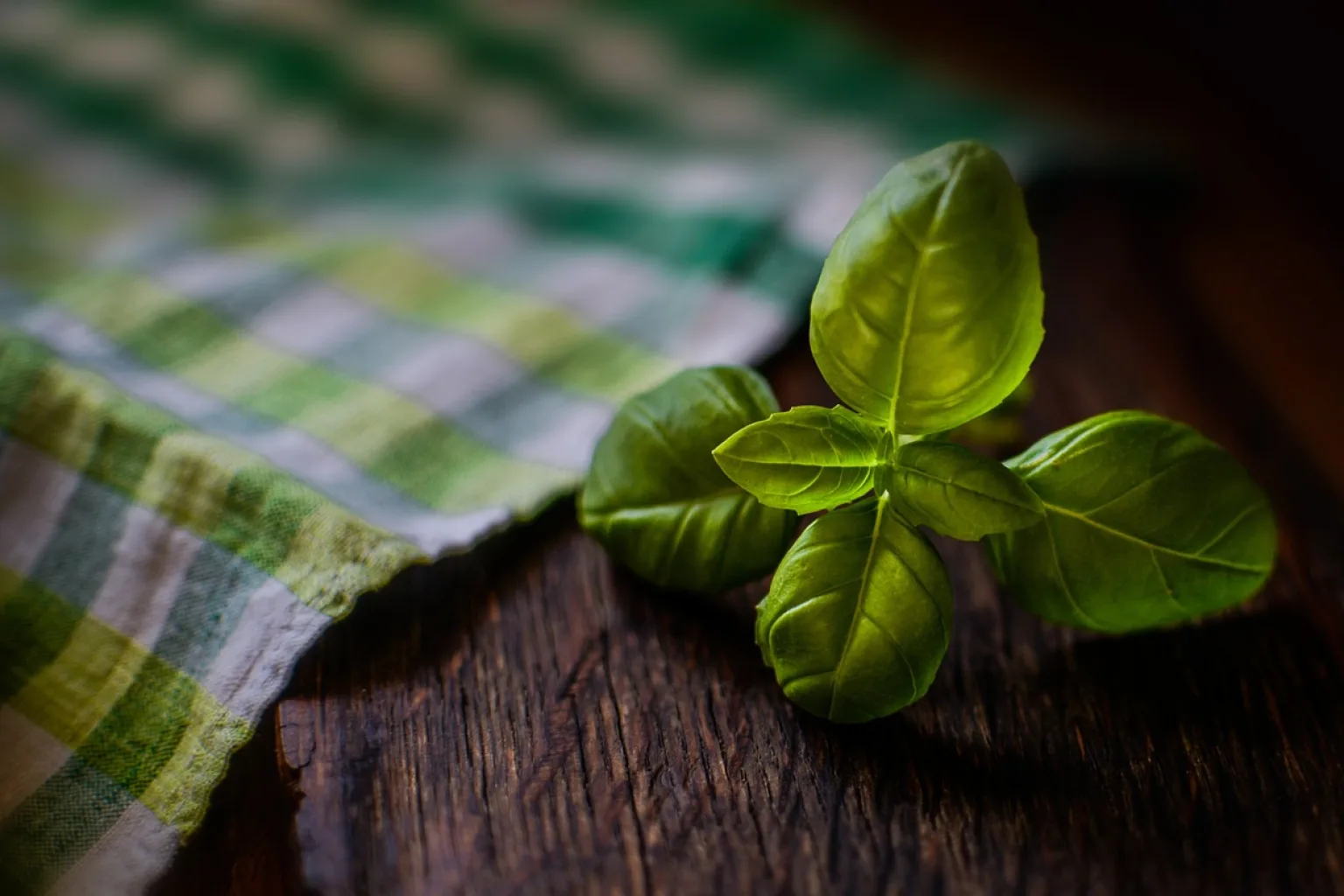
You can flavor oil with basil, sage, thyme, oregano, rosemary or mint. Choose herbs to suit the dish and start with a small amount so you can adjust the flavor.
How do I use fresh herb oil?
Add a little to finish vegetables, pasta, pizza or grilled meat, or mix it into a dressing. Taste before adding more.
Can I make it with dried herbs?
Yes. Dried herbs can also flavor oil, although the flavor profile will differ. Adjust the amount to taste, and do not assume it will be identical to a fresh-herb mixture.
Ingredient allergens
Allergen listThere are no verified associations for these ingredients yet.
Sources and review
Automatically researched, cross-checked and validated content. Sources consulted:
- ¿Por qué la muerte es origen de miedos y tabúes? doi.org/10.64628/aao.fccyk3qj3
- Como Utilizar el Calabacin | CSU Extension extension.colostate.edu/resource/como-utilizar-el-calabacin/
- Sabores de nuestras tierras/recetas - 2024 | Agricultura y Recursos Naturales ucanr.edu/site/agricultura-y-recursos-naturales/sabores-de-nuestras-tierras-recetas-2024
- Vamos a Conservar Alimentos: El secado de las plantas medicinales y aromáticas extension.psu.edu/vamos-a-conservar-alimentos-el-secado-de-las-plantas-medicinales-y-aromati…
- La diabetes y la alimentación: Cómo planificar y cocinar comidas sabrosas y saludables | CAES Field Report fieldreport.caes.uga.edu/publications/C1364-08-SP/la-diabetes-y-la-alimentacion/
- Aceite de cocina - Wikipedia, la enciclopedia libre es.wikipedia.org/wiki/Aceite_de_cocina
- Home food preservation | Servicio de Extensión de OSU extension.oregonstate.edu/es/food/preservation
- De Compras Para la Salud: Mariscos - Ask IFAS ask.ifas.ufl.edu/publication/FS275/pdf
- Guia_RGSEAA.pdf www.aesan.gob.es/dam/jcr:ebc1dca1-078f-400f-a649-6cc68ad1e1ef/Guia_RGSEAA.pdf
- - YouTube www.youtube.com/watch?v=uPBbKaVWKn8
- Descubriendo los aceites aromáticos en la cocina | aceitesalbert.com www.aceitesalbert.com/blogs/noticias/descubriendo-los-aceites-aromaticos-en-la-cocina?srslti…