- Category
- Vegetables
- State
- Fresh
- Usual unit
- clove
What it is
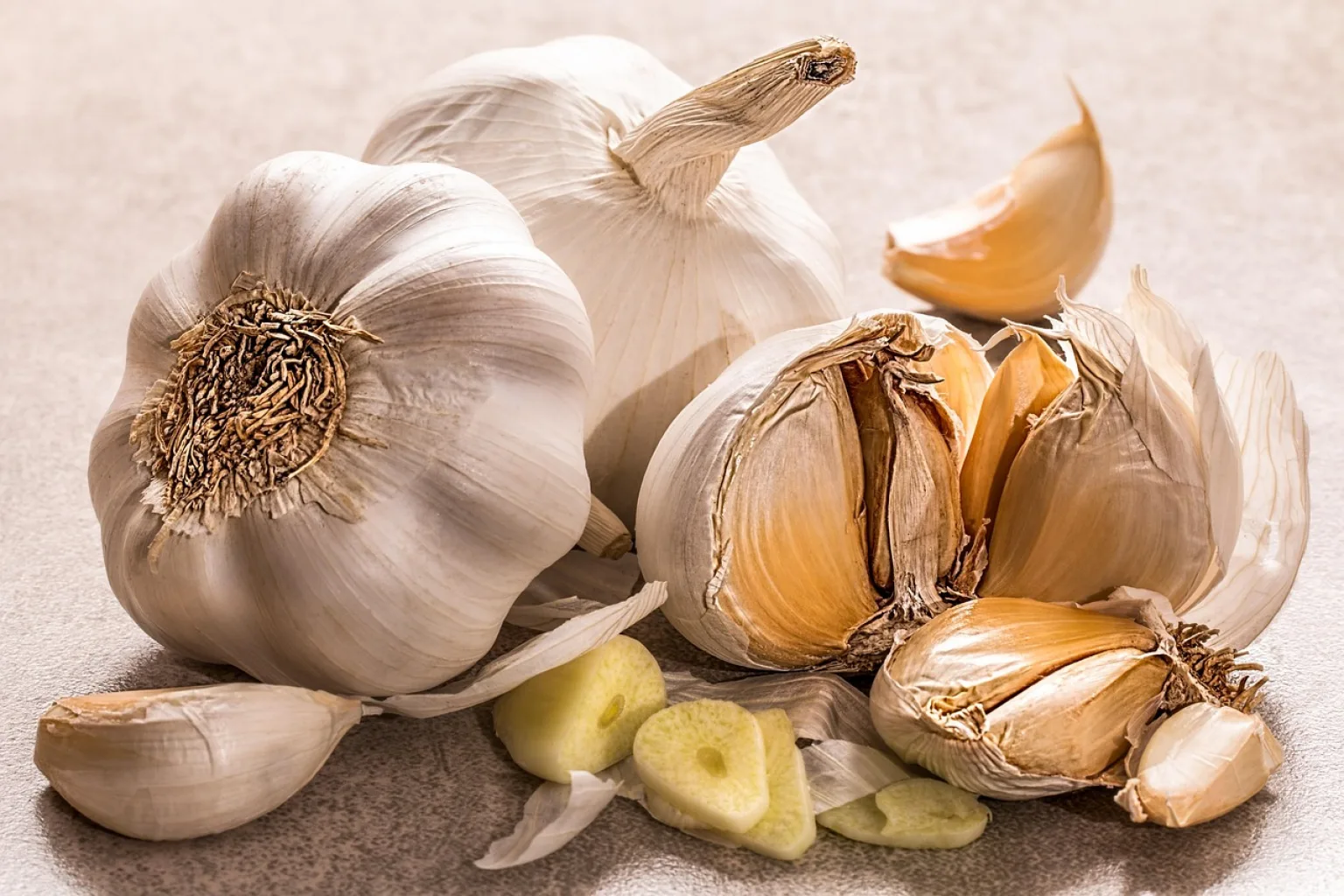
Garlic is a bulb made up of individual cloves covered by thin skin. In this profile, “garlic for sahawiq” means fresh garlic cloves that may be used to season a sauce by that name; it does not establish a canonical formula or quantity. Raw garlic has a distinctive flavor, while cutting and cooking change how it tastes and blends into a dish. Cutting or crushing releases a more pronounced aroma. In cooking, garlic may also be used whole, sliced, chopped or grated, depending on whether a subtler or more prominent flavor is wanted.
When to use it
Use fresh garlic when you want a recognizable aromatic flavor in a sauce, dressing or marinade. For a sauce served uncooked, begin with a small amount of chopped or crushed garlic and taste before adding more, so you can control its intensity. Garlic also works in sautéed bases, stews and preparations with vegetables, fish or pasta. Choose the cut according to the preparation time and how prominent you want the garlic to be; there is no universal quantity for sahawiq.
How to use it
Separate a clove from the bulb and remove its skin. For a pronounced flavor that spreads through a sauce, chop, grate or crush it; add a small amount, mix, and taste before adding more. For a less dominant result, slice the clove or leave it whole during a longer cooking process, removing it if you do not want pieces in the finished dish. When sautéing, add it carefully and do not let it burn, as burnt garlic can taste bitter. You can also roast garlic for a softer texture and sweeter flavor. Adjust the cut and amount to the dish.
Flavour and texture
Raw fresh garlic is pungent, aromatic and slightly hot. Chopped, grated or crushed garlic tends to taste more pronounced and blends readily into a sauce. Sliced garlic can leave noticeable pieces; cooking changes its character and can soften its impact. Roasted garlic becomes soft and sweet, while browned garlic has a different texture and a milder flavor.
How to choose it
Choose firm, dry bulbs with intact skin and no visible mold. Avoid cloves that feel soft or look deteriorated. Skin color can vary and is not, by itself, a dependable measure of quality. If you need only a little for a sauce, choose firm cloves that can be peeled and chopped just before use.
Storage
Keep whole garlic bulbs in a dry, ventilated place, away from moisture and direct light. Check cloves before use and discard any that are soft or moldy. Once peeled or chopped, garlic is no longer intact; handle and store it carefully, and do not leave it at room temperature for extended periods. Follow appropriate food-safety guidance for the particular preparation when storing it.
Substitutions
Fresh garlic can be replaced with garlic powder or prepared garlic paste, but the texture and intensity may differ. Add a substitute gradually and taste the sauce rather than assuming an exact conversion. Powder adds garlic flavor without pieces of fresh clove; paste blends readily. Neither reproduces the texture of freshly chopped garlic exactly.
Common mistakes
Adding too much raw garlic at once can make it dominate a sauce. Start small and adjust after tasting. Another common mistake is letting garlic burn while sautéing: it browns quickly and can become bitter. Do not use skin color as the only sign of quality, and avoid cloves that are soft or moldy.
Safety and allergens
Use cloves that are in good condition and discard any showing mold or deterioration. Handle garlic and other fresh ingredients with clean utensils and follow normal food-hygiene practices.
Culinary uses
- Aromatic base
- Seasoning for sauces and dressings
- Flavoring for marinades and stews
Recommended techniques
- Chop or crush for a more pronounced flavor
- Slice for quick sautéing
- Roast for a softer, sweeter character
- Stir in raw for a pungent sauce
Pairs well with
- Fresh herbs
- Vegetables
- Fish
- Pasta
- Oil-based sauces
Frequently asked questions
Should I chop or crush garlic for a sauce?
Either works and gives a pronounced flavor. Crushed or grated garlic can be especially intense, so start with a small amount and adjust to taste.
Can I use garlic powder instead of fresh garlic?
Yes. It can add garlic flavor, but it does not provide the same texture or necessarily the same intensity. Add it gradually and taste as you go.
How should I store a whole garlic bulb?
Keep it whole in a dry, ventilated place away from moisture and direct light. Discard cloves that are soft or moldy.
Ingredient allergens
Allergen listThere are no verified associations for these ingredients yet.
Sources and review
Automatically researched, cross-checked and validated content. Sources consulted:
- Client Challenge doi.org/10.2307/j.ctvndv9t9.22
- Ajo, el ingrediente milenario que transforma el sabor en la cocina www.chefyerika.com/post/ajo-el-ingrediente-milenario-que-transforma-el-sabor-en-la-cocina
- El ajo cambia de sabor según cómo lo cortes (el mejor para cada receta) www.cocinatis.com/como-cocinar/consejos-trucos/el-ajo-cambia-de-sabor-segun-como-se-corta_1_…
- Otros usos del ajo más allá de la cocina – Imperio Garlic imperiogarlic.com/usos-ajo/
- Ingredientes para la receta: El ajo — Cuaderno de Cultura Científica culturacientifica.com/2017/04/10/ingredientes-la-receta-ajo/
- Qué es Twitch y por qué es importante para el español doi.org/10.64628/aao.ff347t6cj
- - YouTube www.youtube.com/watch?v=18PUIxT1p-c
- El ajo: origen, beneficios y cómo usarlo deshidratado | Pancha sazonadorespancha.com/ingrediente-el-ajo/?srsltid=AYCX9vLGyB_AnWmhG0cIx7W-w6I8-LLZ6VkxFLZlhj…
- - YouTube www.youtube.com/watch?v=eici0ugGjQE