- Category
- Vegetables
- State
- Fresh
- Usual unit
- clove
What it is
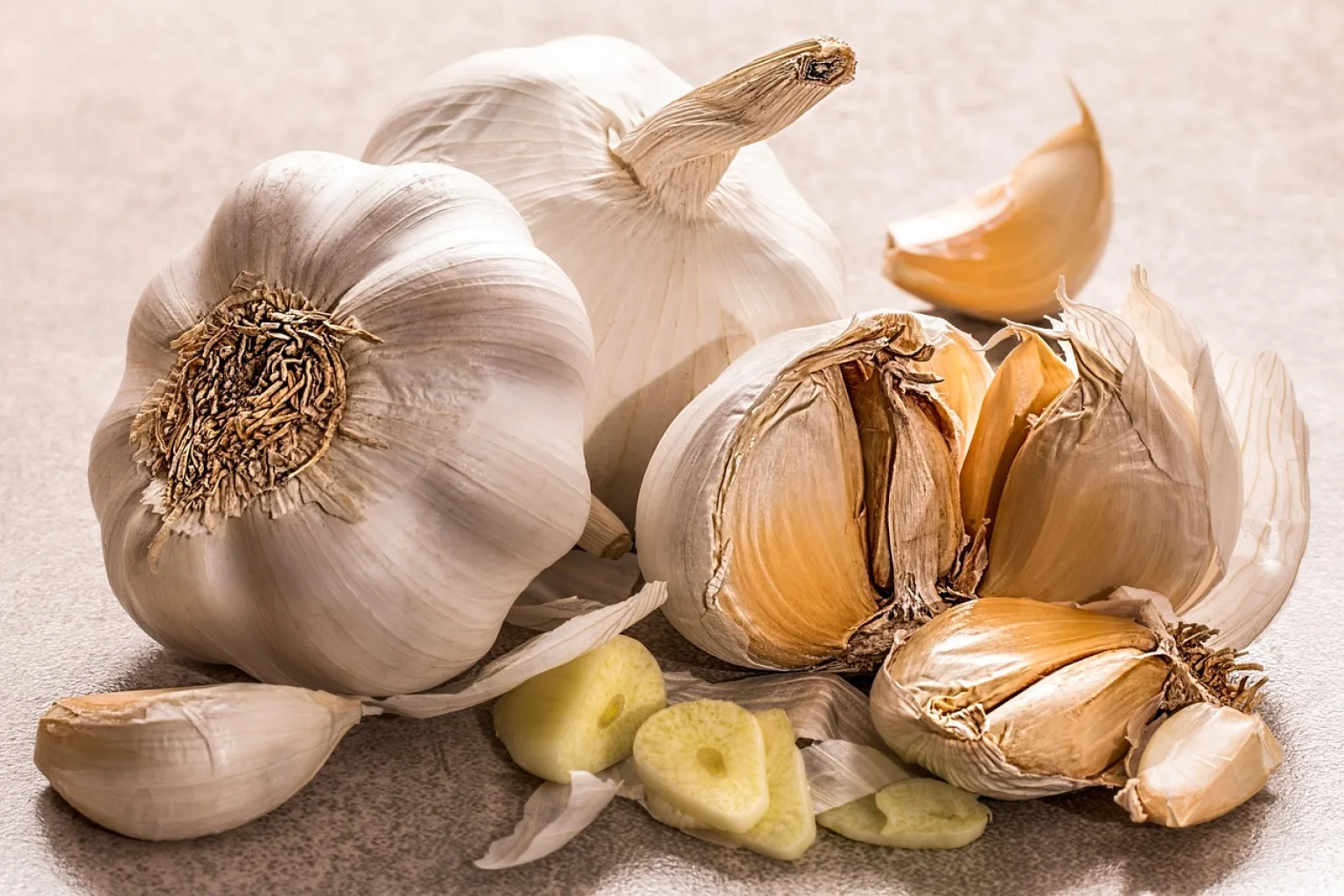
Fresh garlic is the edible bulb of Allium sativum, used in cooking as whole, chopped, sliced or crushed cloves. In a stew, it acts as an aromatic ingredient and can be paired with meat, poultry, fish, seafood, rice and sauces. Its flavor does not have to dominate: the cut and the way it is added affect how noticeable it is and how it spreads through the dish. A whole clove releases aroma gradually; chopped or grated garlic blends more closely with the other ingredients. Garlic for stew is not a separate product, but fresh garlic prepared to suit the flavor and texture you want.
When to use it
Use garlic when you want a recognizable aromatic note in a stew, sauce or longer-cooked dish. Choose a whole clove for a gentler touch, or chop or crush it when you want the flavor to spread through the cooking liquid and stand out more. It also pairs with meat, poultry, fish, seafood and rice. Choose the cut with the cooking time and desired intensity in mind; the same amount or form does not have to suit every recipe.
How to use it
Peel the clove and choose a cut for the effect you want: leave it whole for a subtler aroma, chop it for more presence, or crush it so it blends easily. Add it alongside other aromatic ingredients at the start, or incorporate it into the sauce or stew as it cooks. If browning it, keep an eye on it to prevent burning and bitterness. In a long-cooked stew, a whole clove releases aroma gradually; chopped garlic spreads further through the liquid. Taste before serving and adjust the seasoning to suit the recipe.
Flavour and texture
Fresh garlic has a distinctive, pungent aroma and flavor that change with the cut and cooking method. Whole cloves tend to taste milder and take longer to perfume a stew; chopped or grated garlic is more pronounced and blends into the sauce. Slices remain noticeable as pieces, while crushed garlic disperses more readily. Browning can make garlic taste milder and sweeter, but watch it carefully so it does not burn.
How to choose it
Choose a head of garlic that feels firm, with cloves that are intact and in good condition. Check for visible moisture, soft spots or obvious deterioration. If a recipe calls for fresh cloves, buy whole garlic rather than treating it as interchangeable with powder, paste or preserved garlic: those forms can bring different flavors and textures. Clove size varies, so consider the flavor you want as well as the number listed in a recipe.
Storage
Keep fresh garlic according to the package directions or the guidance provided where you buy it, and do not use cloves with visible deterioration. A single storage period cannot be assumed for every product and condition. If the garlic is part of a stew, handle leftovers as prepared food: refrigerate them within two hours of preparation. Do not leave the stew at room temperature for longer.
Substitutions
Garlic powder can replace fresh garlic in some dishes; a vegetable stew recipe gives the two forms as alternatives. The right amount depends on the recipe, so do not treat a number of cloves and a measure of powder as a universal conversion. Garlic paste can also work when you want an integrated texture; add it gradually and taste as you go.
Common mistakes
Do not use the same cut without considering its effect: chopped or grated garlic is more prominent than a whole clove. If browning garlic, do not leave it unattended, because it can burn and affect the flavor. Do not assume garlic powder or paste can replace the same volume of fresh garlic in every recipe.
Safety and allergens
Rinse or scrub fresh produce under running water before preparing it, and wash your hands with soap and water. If garlic is added to a stew, refrigerate leftovers within two hours of preparation.
Culinary uses
- Aromatizante para guisos y salsas
- Ingrediente de sabor para platos de carne, aves, pescado y marisco
Recommended techniques
- Picar o machacar para integrar el sabor en el guiso
- Añadir entero para un sabor más suave durante una cocción larga
- Dorar con cuidado para perfumar la preparación
Pairs well with
- Carne de res, cerdo, pollo y otras aves
- Pescados y mariscos
- Arroz, salsas y verduras
Frequently asked questions
How should I cut garlic for a milder stew?
Add the clove whole to release aroma gradually and keep it less prominent than chopped or grated garlic.
Can I use garlic powder instead of fresh garlic?
Yes. Some stew recipes allow garlic powder as an alternative. There is no universal conversion, so adjust it to the recipe and your taste.
When should I refrigerate leftover stew?
Refrigerate leftover stew within two hours of preparing it.
Ingredient allergens
Allergen listThere are no verified associations for these ingredients yet.
Sources and review
Automatically researched, cross-checked and validated content. Sources consulted:
- Client Challenge doi.org/10.2307/j.ctvndv9t9.22
- El ajo cambia de sabor según cómo lo cortes (el mejor para cada receta) www.cocinatis.com/como-cocinar/consejos-trucos/el-ajo-cambia-de-sabor-segun-como-se-corta_1_…
- Eating Spain: National Cuisine Since 1900 - UKnowledge uknowledge.uky.edu/context/hisp_etds/article/1031/viewcontent/Eating_Spain_National_Cuisine_…
- Salsas 1831 - lacocina.utsa.edu/salsas-1831/
- ¿Qué formato de ajo es el que más te conviene? - La Abuela Carmen laabuelacarmen.com/que-formato-de-ajo-es-el-que-mas-te-conviene/
- Estofado - Wikipedia, la enciclopedia libre es.wikipedia.org/wiki/Estofado
- Estofado de Hongos y Lentejas Rojas en Olla de Cocción Lenta | Servicio de Extensión de OSU extension.oregonstate.edu/es/imported-publication/estofado-de-hongos-y-lentejas-rojas-en-oll…
- Guiso de Blackeye Peas - myllu.llu.edu - Loma Linda University myllu.llu.edu/utilities-fileManager/action:image/?item=%2Flivingwhole%2Frecipes%2FGuiso%20de…
- Guiso de Venado | University of Maryland Extension extension.umd.edu/recipes-spanish/guiso-de-venado
- Ajo ⋆ Larousse Cocina laroussecocina.mx/palabra/ajo-2/
- Allium sativum L. www.conecte.es/media/com_concibe/files/Tardo_etal2022_IECTBA2Allium%20sativum.pdf
- Obtención del ajo negro por reacción de Maillard para el desarrollo de productos culinarios y su aplicación en cocina innovadora | OpenAlex openalex.org/W2991569715