- Category
- Fruit
- State
- Fresh
- Usual unit
- unit
What it is
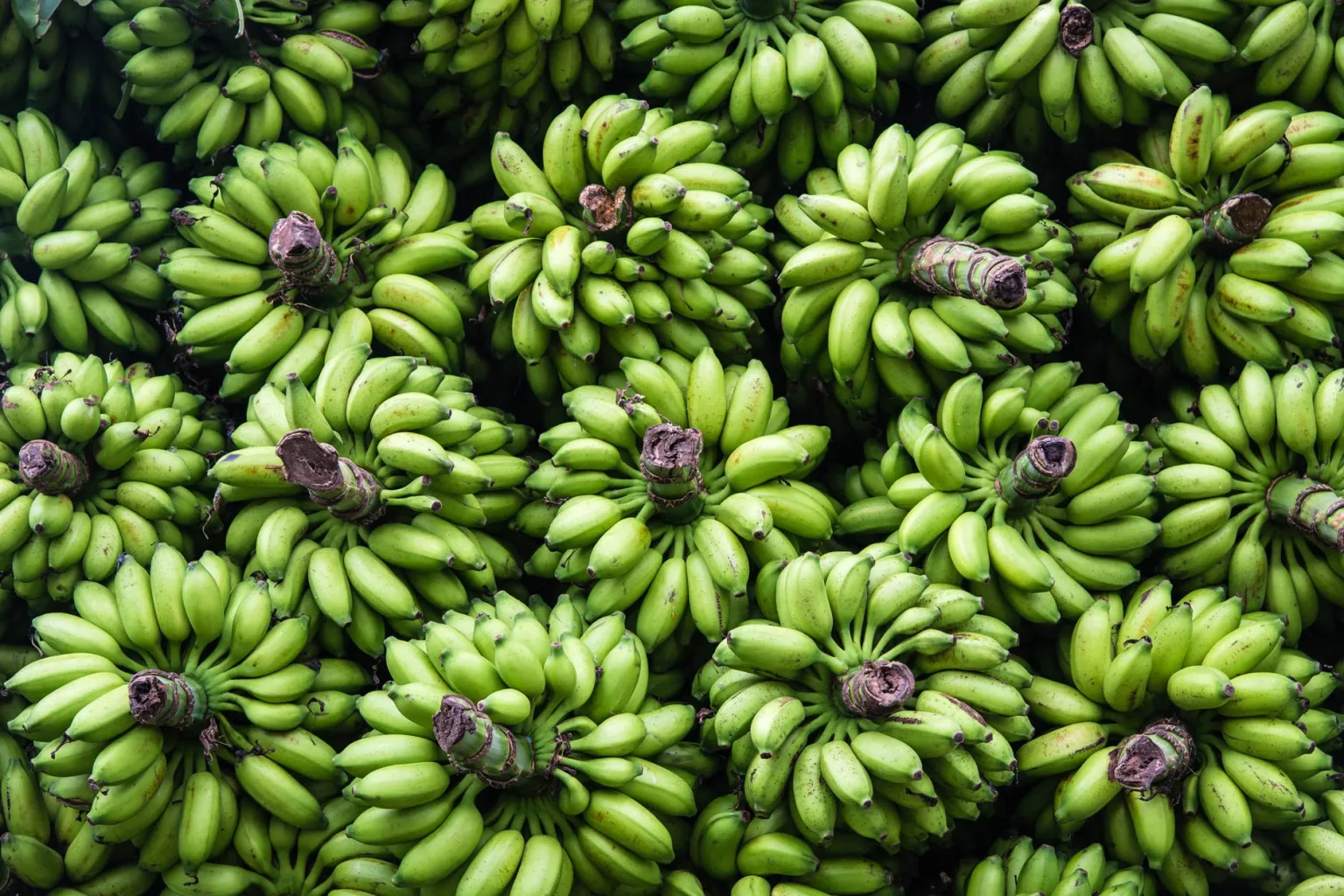
Green plantain is the unripe fruit of a cooking-plantain variety, used mainly as a savory ingredient. It commonly has thick green skin and pale, firm, floury flesh. Compared with a ripe dessert banana, it is less sweet and more starchy, so it is generally prepared cooked rather than served raw. Flesh can vary by variety: some plantains are firmer, while others are creamier or hold more moisture. Those differences matter when choosing a method, especially for frying, boiling, or steaming. Green plantain can be sliced, boiled, fried, roasted, baked, mashed, or processed into flour. Names and varieties available in shops vary by region, so check that the fruit is a cooking plantain rather than a sweet dessert banana.
When to use it
Choose green plantain when you want a substantial, mildly flavored cooked side, a base that can hold its shape, or a starchy ingredient to mash and season. Firmer varieties suit slices that need to keep their form in frying, including patacones or tostones. Some creamier or moister varieties may work better boiled, roasted, or in steamed mixtures. Plantain can also go into soups, stews, and filled dishes. Because its flesh is floury and starchy, plan to cook it before serving and select the technique according to the texture you want rather than treating every variety as interchangeable.
How to use it
Wash the outside before peeling or cutting. The thick skin can be difficult to remove and the unripe flesh can be firm, so use a stable cutting surface and a sharp knife. Cut into slices or chunks for boiling, stewing, roasting, baking, or frying. To make patacones or tostones, fry thick slices, flatten them, then fry them again until crisp. Thin slices can become chips; boiled plantain can be mashed with seasonings or added to soups and filled dishes. Steaming is another option for shaped preparations. Variety affects the result: firm flesh is useful when pieces should hold their shape, while a moister variety may suit a steamed mixture. Cook until the flesh is tender enough for the dish and season to taste.
Flavour and texture
Green plantain has a mild, fairly neutral flavor and is much less sweet than a ripe dessert banana. Its pale flesh is typically firm and floury, with a starchy rather than juicy texture. Firmness, moisture, and creaminess vary among varieties, influencing how well slices hold together in frying or how soft the flesh becomes when boiled or steamed. Cooking softens the flesh; frying can produce a browned, crisp exterior.
How to choose it
Look for green fruit with intact skin and no obvious damaged areas. Cooking plantains are often larger and have thicker skin than dessert bananas, although size varies. Choose firm fruit when the preparation needs slices to keep their shape. For a softer or moister result, the variety can matter, so ask what type is available if the recipe depends on texture. Make sure you are buying green cooking plantain rather than a sweet dessert banana; they have different textures and culinary uses.
Storage
Keep whole fruit in a dry, ventilated place while it remains in good condition, and avoid crushing it. As plantain ripens, its skin may change color and the flesh may become sweeter and less firm, which can affect a recipe intended for green fruit. The available evidence does not establish a precise storage life or specific refrigeration instructions for this ingredient. Once cut, refrigerate the flesh in a clean container and use it promptly, or cook it and refrigerate leftovers safely.
Substitutions
Another green plantain variety can stand in, but differences in firmness and moisture may change the result. Potato can fill a similar role in some boiled, baked, or stewed dishes, though its flavor and texture are not identical. Adjust the cut and cooking method to the substitute rather than expecting it to reproduce plantain chips or patacones exactly.
Common mistakes
Treating green plantain like a ripe, sweet banana can lead to a floury, unexpectedly mild result. Avoid choosing a very moist variety for a fry where slices need to hold their shape. Cut pieces evenly for more consistent cooking, and do not assume that every plantain variety will behave identically in the same method.
Safety and allergens
Wash the fruit before peeling or cutting and use clean utensils. Green plantain is commonly cooked before serving; cook the flesh until tender for the dish, and do not use fruit that is spoiled or decomposing.
Culinary uses
- Starchy cooked side dish
- Base for fritters, chips, mash, and filled dishes
Recommended techniques
- Boiling
- Frying
- Roasting or baking
- Steaming
- Mashing
Pairs well with
- Garlic and savory seasonings
- Meat, fish, or poultry
- Dips and sauces
Frequently asked questions
Can green plantain be eaten raw?
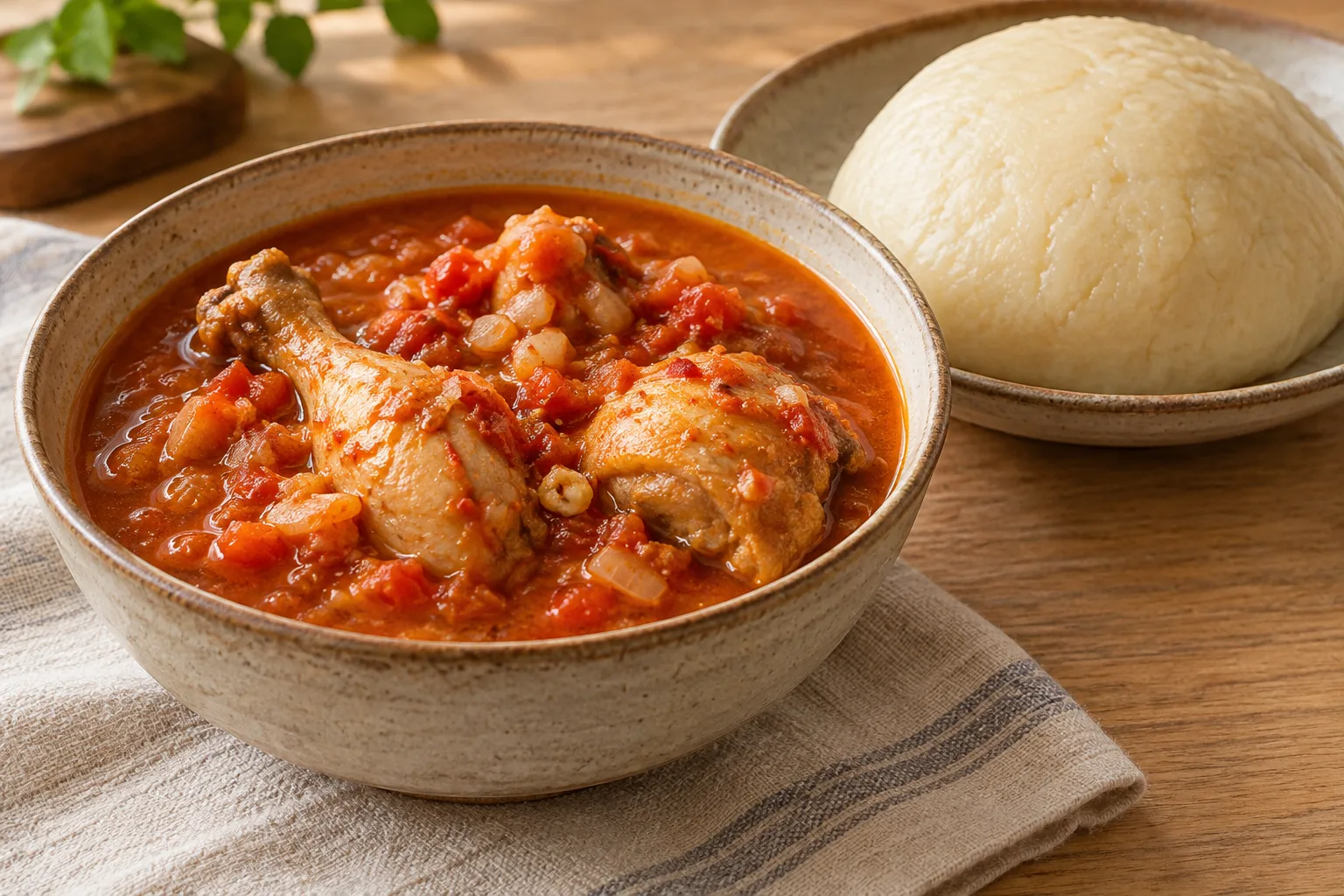
It is used mainly cooked. Green flesh is firm, floury, and starchy, so boiling, frying, roasting, baking, or steaming is generally a better fit.
Is green plantain the same as a banana?
It is related, but green cooking plantain is typically firmer, starchier, and less sweet than a ripe dessert banana, and it is used in cooked dishes.
What can I make with green plantain?
Use it for patacones or tostones, chips, mash, soups, stews, and steamed preparations. Choose the method to suit the firmness and moisture of the variety.
Ingredient allergens
Allergen listThere are no verified associations for these ingredients yet.
Estimated nutrition
- Fat
- 22.82 g
- Saturates
- 5.56 g
- Carbohydrate
- 26.97 g
- Sugars
- 14.81 g
- Fibre
- 1.4 g
- Protein
- 13.16 g
- Salt
- 0.87 g
Sources and review
Automatically researched, cross-checked and validated content. Sources consulted:
- The Essential Glossary of Cooking Terms for the Culinary Arts - Escoffier www.escoffier.edu/blog/culinary-arts/the-essential-glossary-of-cooking-terms-for-the-culinar…
- Usos culinarios apropiados de las variedades de plátano verde barraganete, dominico y maqueño, en la gastronomía ecuatoriana. | Revista de Gastronomía y Cocina doi.org/10.70221/rgc.v4i2.97
- Gastronomía de México - Wikipedia, la enciclopedia libre es.wikipedia.org/wiki/Gastronom%C3%ADa_de_M%C3%A9xico
- Sabores de nuestras tierras/recetas - 2024 | Agricultura y Recursos Naturales ucanr.edu/site/agricultura-y-recursos-naturales/sabores-de-nuestras-tierras-recetas-2024
- filling gender gaps: determining how traditional knowledge of experts.esf.edu/view/pdfCoverPage?download=true&filePid=1356518480004826&instCode=01SUNY_ESF
- Hybrid! Healthscapes:! Mothers'! Health! Care! and! Food! ... ir.library.oregonstate.edu/downloads/vx021j08p
- Plátano macho: qué es, propiedades y cómo utilizarlo en la cocina www.directoalpaladar.com/ingredientes-y-alimentos/platano-macho-que-propiedades-como-utiliza…
- Cómo usar el plátano macho en la cocina www.hola.com/cocina/noticias/20220811215086/cocinar-con-platano-macho-recetas/
- DEFENDING OUR RAINFOREST digitalrepository.unm.edu/cgi/viewcontent.cgi?article=1108&context=abya_yala&httpsredir=1&re…
- El plátano macho | Consumer www.consumer.es/alimentacion/el-platano-macho.html
- El Plátano Verde Macho: Estrella de la Nueva Gastronomía Iberoamericana | Excelencias Gourmet excelenciasgourmet.com/es/armonias/platano-verde-macho-estrella--nueva-gastronomia-iberoamer…