- Category
- Meat
- State
- Fresh
- Usual unit
- g
What it is
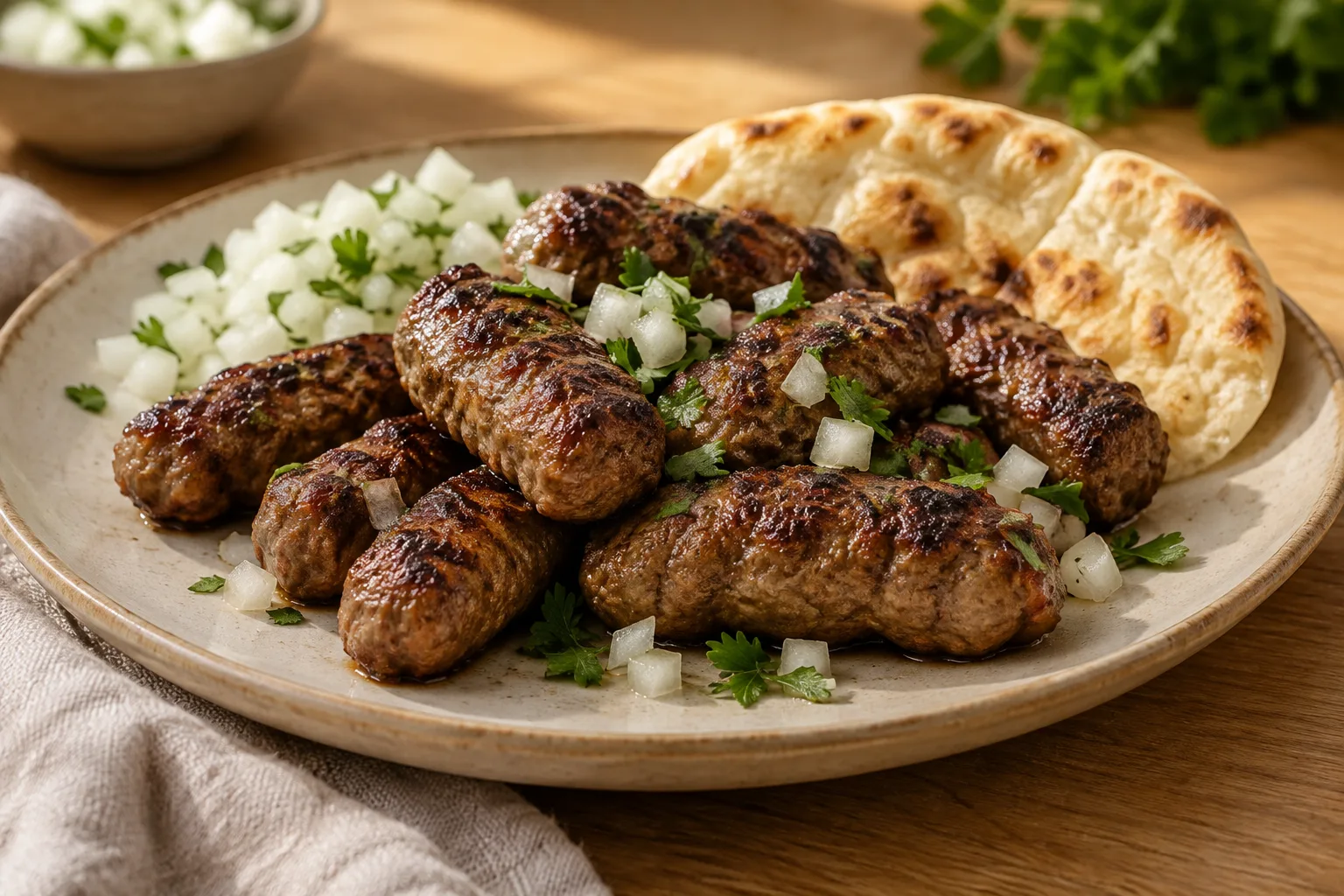
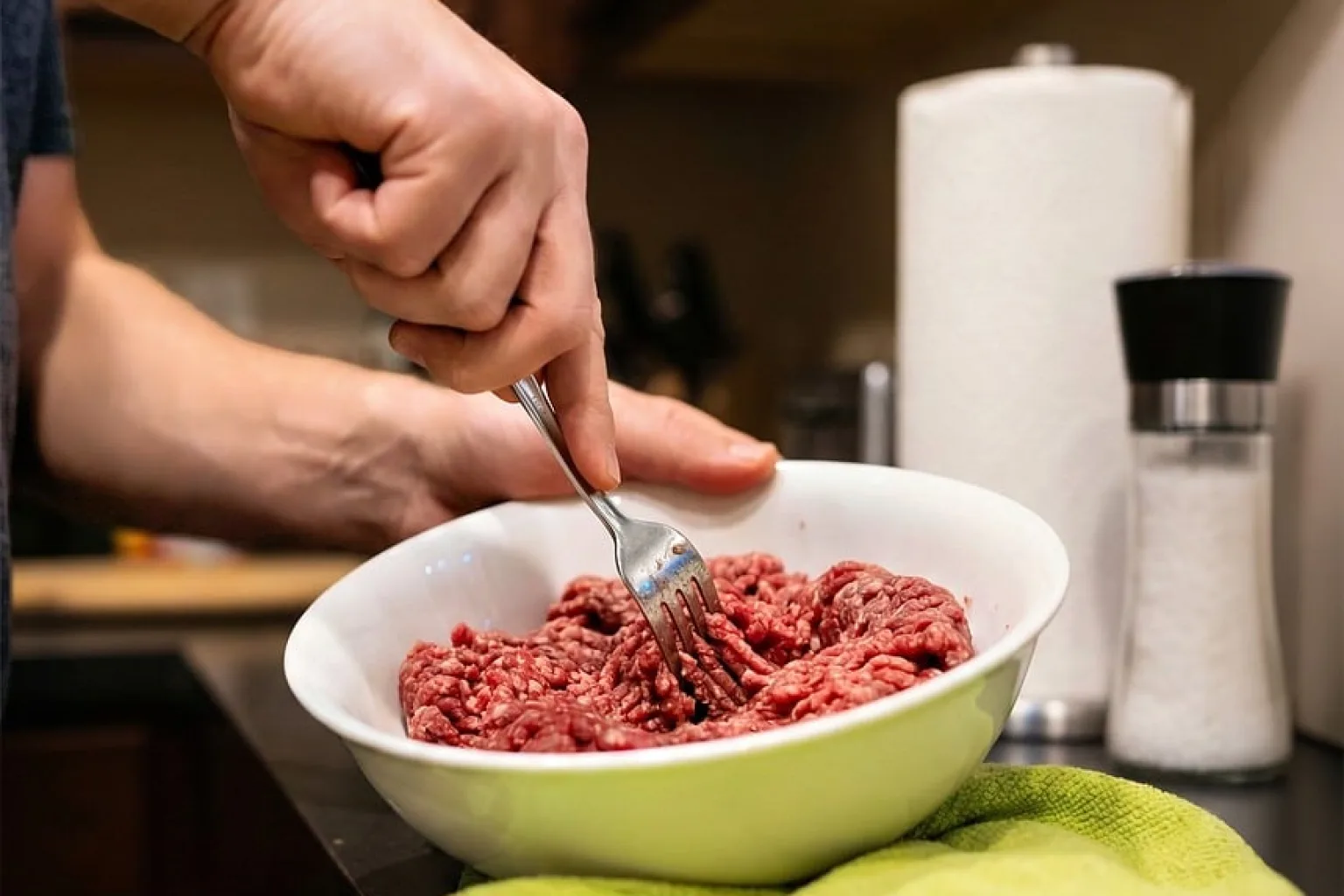
Ground beef is raw bovine meat that has been minced into small pieces, usually with a grinder. The proportion of lean meat and fat can vary, so different products may not cook or taste the same. Check the label: plain ground beef is not always the same as a formed burger or another prepared meat product that contains additional ingredients. Its small, loose particles make it easy to season, shape or mix into other foods. That is why it works in molded dishes such as patties and meatballs, as well as in sauces, stews and fillings.
When to use it
Use ground beef when you want meat that cooks in small pieces or blends readily with other ingredients. It works in burgers and meatballs, tomato sauces, stews, pasta fillings, pastries and dishes with vegetables or potatoes. Choose the fat level to suit the result: a fattier mixture may make a burger juicier, while a leaner option may suit a moist sauce or filling. The product’s composition affects its texture and how much fat is released during cooking, so check the label rather than assuming every pack will behave alike.
How to use it
Check the label to confirm that you are buying ground beef rather than a prepared product with additional ingredients, especially if you want plain meat. Shape patties or meatballs with clean hands and utensils, or break the meat into small pieces in a skillet for a sauce, stew or filling. To brown it, avoid crowding too much into the pan; cook in batches if needed, then continue with the recipe. Pair it with onion, garlic, tomato, vegetables, pasta, potatoes, rice, herbs or spices. Keep raw meat separate from ready-to-eat food, wash your hands, and clean surfaces and utensils that touched it. Follow the package’s date, storage directions and cooking instructions.
Flavour and texture
Ground beef has a savory, meaty flavor whose richness varies with the meat and its fat content. Raw, it is soft and granular; when cooked, it can remain loose, hold together as a patty or form a tender mixture in meatballs. Fat affects juiciness and the amount rendered during cooking. Particle size and cooking method also influence the final texture.
How to choose it
Check that the package is intact, then read its date, storage directions and ingredient list. Plain ground beef and prepared products, including some burgers, may have different ingredients; do not rely on the front name or picture alone. Fat content and the proportion of lean meat affect juiciness and cooking behavior, so choose with the recipe in mind. Buy an amount you can use or freeze according to the product directions.
Storage
Take it home promptly and keep it refrigerated as directed on the package, observing its use-by date. If you will not use it within the stated period, freeze it in a suitable, well-sealed package. Keep raw meat separate from ready-to-eat foods to reduce cross-contamination. For home canning, do not improvise: meat is a low-acid food and requires a validated pressure-canning process. Wash hands, utensils and surfaces after handling raw meat.
Substitutions
Ground pork, lamb or poultry can replace ground beef in many dishes, but each changes the flavor and juiciness. You can also combine ground meats when the recipe suits a blend. Adjust the seasoning to the meat you use, and remember that fat content varies: the cooked texture and amount of rendered fat may not match the original.
Common mistakes
Do not assume plain ground beef and prepared burgers have the same ingredients; check the label. Avoid packing too much meat into a small skillet, where it may release liquid instead of browning. Color alone is not a reliable way to judge freshness or doneness. Do not neglect hygiene: keep raw meat away from ready-to-eat foods and clean anything it touches.
Safety and allergens
Keep ground beef refrigerated as directed on the package, and prevent its juices from contacting ready-to-eat foods. Wash hands and clean utensils and surfaces after handling it raw. Cook according to the product directions; do not taste raw meat. For home-canned meat, use only a validated pressure-canning process.
Culinary uses
- Main ingredient for patties and meatballs
- Filling or sauce component for pasta, vegetables and baked dishes
Recommended techniques
- Brown in a skillet, working in batches if needed
- Simmer in a sauce or stew
Pairs well with
- Onion and garlic
- Tomato, pasta and vegetables
- Potatoes and rice
- Herbs and spices
Frequently asked questions
Is ground beef the same as a prepared burger?
Not always. A prepared product may contain ingredients besides meat. Check the product name and ingredient list.
What kind of ground beef is best for burgers?
It depends on the juiciness you want. Fat content affects texture and how much fat is released during cooking, so choose to suit your preference and check the package information.
Can I preserve ground beef by home canning?
Only with a validated pressure-canning process. Meat is a low-acid food, so heating jars in boiling water is not sufficient.
Ingredient allergens
Allergen listThere are no verified associations for these ingredients yet.
Estimated nutrition
- Fat
- 9.82 g
- Saturates
- 4.02 g
- Carbohydrate
- 0 g
- Sugars
- 0 g
- Fibre
- 0 g
- Protein
- 19.6 g
- Salt
- 0.17 g
Sources and review
Automatically researched, cross-checked and validated content. Sources consulted:
- ¿Por qué la muerte es origen de miedos y tabúes? doi.org/10.64628/aao.fccyk3qj3
- The Essential Glossary of Cooking Terms for the Culinary Arts - Escoffier www.escoffier.edu/blog/culinary-arts/the-essential-glossary-of-cooking-terms-for-the-culinar…
- Carne picada - Wikipedia, la enciclopedia libre es.wikipedia.org/wiki/Carne_picada
- Nutrition After Your Transplant - Health Online healthonline.washington.edu/sites/default/files/record_pdfs/Nutrition-After-Your-Transplant-…
- Vamos a Conservar Alimentos: Carnes extension.psu.edu/vamos-a-conservar-alimentos-carnes/
- Elaboración de Conservas a Presión (Pressure Canning) | VCE Publications | Virginia Tech pubs.ext.vt.edu/348S/348-585S/348-585S.html
- ALIMENTOS. Denominaciones sobre carne picada o ... servicio.mapa.gob.es/ricalwebwai/Fichero.aspx?id=ES&idConsulta=156
- Carne picada de ternera: cómo elegirla, cuánta grasa debe tener, conservarla y cocinarla - El Mercado de Origen www.elmercadodeorigen.com/carne-picada-ternera-que-es-como-elegir-cocinar/
- Propiedades de la carne picada – Botanical-online www.botanical-online.com/alimentos/carne-picada-propiedades
- Revista del comité científico de la aecosan número 24 aesan.gob.es/dam/jcr:979384c0-5bd9-46d4-a29e-ccf5876c769c/RCC_24.pdf
- BELL PEPPERS stcroix.extension.wisc.edu/files/2018/07/Peppers-Fact-Sheet.pdf
- Estofado Húngaro de Carne de Res Saludable | Dinner Tonight dinnertonight.tamu.edu/recipe/estofado-hungaro-de-carne-de-res-saludable/
- 47 ideas para cocinar con carne picada y tres consejos para comprarla y conservarla www.directoalpaladar.com/ingredientes-y-alimentos/47-ideas-para-cocinar-carne-picada-tres-co…
- Carne picada: ¿cómo aprovecharla? laabuelamarga.com/actualidad/carne-picada-como-aprovecharla/