- Category
- Herbs and spices
- State
- Powdered
- Usual unit
- g
What it is
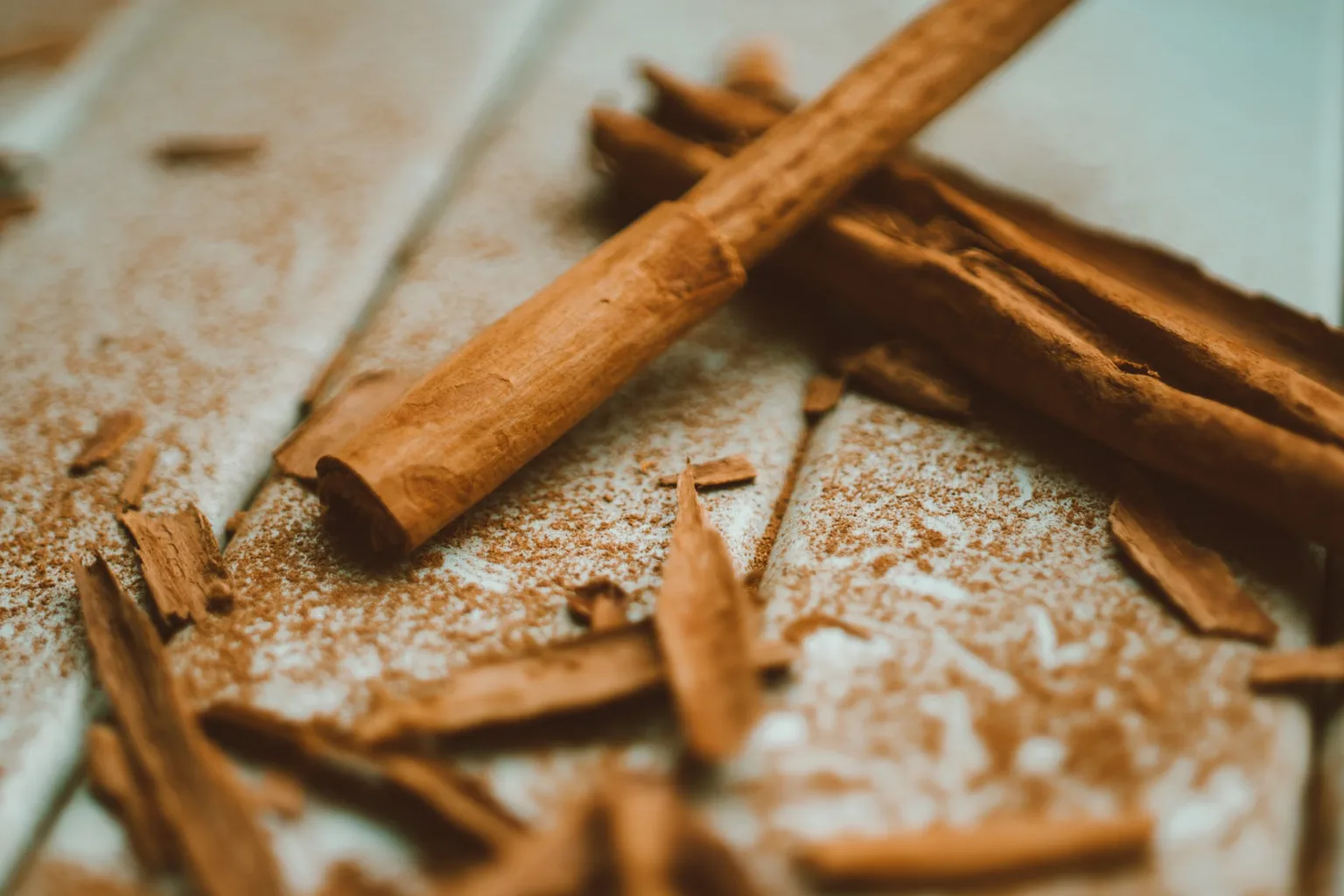
Ground cinnamon is a dry spice made by grinding the bark of trees in the genus Cinnamomum into a fine powder. For coating, it may be mixed with sugar or another dry ingredient, or sprinkled directly over food, depending on the finish you want. The powder clings more readily to slightly moist surfaces or freshly cooked food than to very dry food. Cinnamon’s aroma and flavor vary by type: some are milder and sweeter, while others taste more robust and spicy. Try a small amount before coating a whole batch. Ground cinnamon can also be mixed into doughs, batters, drinks, fruit preparations, and savory dishes; its use is not limited to desserts.
When to use it
Use it when you want cinnamon to be noticeable on the outside of food, such as on toast, prepared fruit, pastries, or finished desserts. It is also useful for flavoring sugar blends for coating and for adding a final aromatic touch to drinks. Ground cinnamon is convenient when you want to distribute flavor quickly rather than infuse a stick in liquid. If a dish will cook for a long time, stir the powder into the mixture instead of relying only on a surface coating. A small amount can also add warmth to stews or spice blends, though that is different from a sweet coating.
How to use it
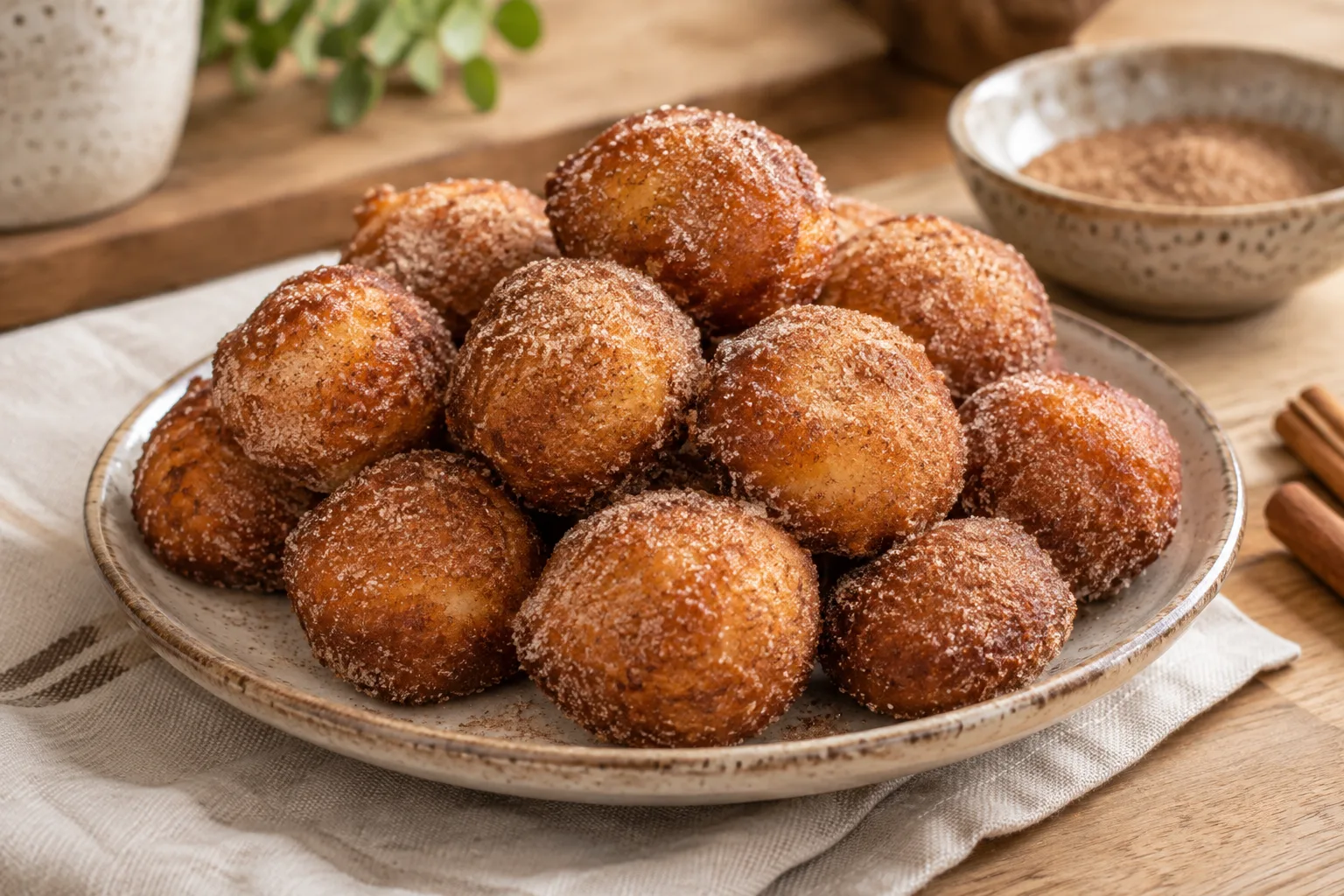
For a simple coating, combine cinnamon and sugar in a dry bowl and stir until the color is even. Adjust the blend to suit the strength you want, and taste it before using it on a whole batch. Add the food and turn or sprinkle it so the sides are covered, then gently shake off excess. For a more even finish, work in small batches and avoid piling wet pieces together. To make a light dusting, use a sieve or sprinkle from a little height. You can also dust cinnamon on its own over fruit, toast, or desserts just before serving. For batter, dough, or drinks, first mix the powder with dry ingredients or whisk it thoroughly into the liquid to help prevent lumps.
Flavour and texture
Its aroma is warm, sweet, and spicy, though intensity depends on the type and product. The powder is fine and dry; too much can taste bitter and feel dusty or gritty. Blending it with sugar gives a more balanced flavor and makes it easier to distribute.
How to choose it
Choose a well-sealed package and check that the powder is loose, dry, and free of visible moisture. If the label identifies the cinnamon type, remember that flavor can vary: some are more delicate, others more intense. For coating, a fine powder is easy to spread. Buy an amount you can use while it still has a noticeable aroma.
Storage
Keep ground cinnamon in an airtight container in a cool, dry place, away from steam and direct light. Use a dry spoon and close the container promptly to keep moisture out. If the powder clumps or loses its aroma, it may be less pleasant to use; do not add water to the container to break up clumps.
Substitutions
Ground nutmeg, allspice, or a small amount of ground cloves can provide similar warm notes, but none tastes exactly like cinnamon. Start with a pinch because their intensity varies. A cinnamon stick can flavor a liquid; it is not a direct coating substitute unless ground.
Common mistakes
Do not apply a thick layer of powder all at once: it can taste bitter, feel gritty, or distribute unevenly. A cinnamon stick cannot be used like ground cinnamon for coating. Mix the powder well with sugar and use dry utensils to help prevent clumps and patchy coverage.
Safety and allergens
Use cinnamon sold for food and follow the package directions. Keep the powder dry and prevent moisture from entering the container; do not use it if it shows signs of contamination or spoilage.
Culinary uses
- Sweet coating and finishing spice
- Warm aromatic seasoning for sweet and savory dishes
- Flavoring for baked goods and drinks
Recommended techniques
- Dust or roll food in a thin, even layer
- Mix into sugar or other dry seasoning blends
- Whisk into batters, doughs, sauces, or warm drinks
Pairs well with
- Sugar and baked goods
- Apple, pear, and other cooked fruit
- Rice pudding, custards, and milk-based desserts
- Coffee, tea, and chocolate
- Cumin, ginger, and savory stews
Frequently asked questions
How can I get an even coating?
Mix the cinnamon with sugar, work in small batches, and turn the food to cover its sides. Gently shake off any excess.
Can I coat food with cinnamon on its own?
Yes. For a light layer, use a sieve or sprinkle it gradually. Sugar softens the flavor and makes a more balanced coating.
What can I use if I do not have ground cinnamon?
Try a pinch of nutmeg or allspice. The result will taste different, so begin with a little and adjust to taste.
Ingredient allergens
Allergen listThere are no verified associations for these ingredients yet.
Sources and review
Automatically researched, cross-checked and validated content. Sources consulted:
- Estudio PREDIMED - Dieta Mediterránea - Recetas www.unav.edu/documents/10759777/0/estudio_predimed.pdf
- Client Challenge doi.org/10.2307/j.ctvndv9t9.22
- Canela de Ceilán: Origen, Usos y Beneficios - Blog iO.GENIX tienda.iogenixnutrition.com/blog/canela-de-ceilan-origen-usos-y-beneficios/
- ¿Qué es la canela? – COMMEMEMUCHO commememucho.com/2021/09/30/canela/
- Todo sobre canela : origen, tipos, usos y beneficios - Spice and Colour www.spiceandcolour.com/todo-sobre-canela-origen-tipos-usos-y-beneficios/
- Canela, la especia más usada en nuestra cocina - Cocina y Aficiones www.cocinayaficiones.com/especias-la-canela-apuntes/
- Canela: propiedades, usos y potencial de mercado en la industria alimentaria | Foodcom S.A. foodcom.pl/es/canela-propiedades-usos-y-potencial-de-mercado-en-la-industria-alimentaria/
- GASTRONOMÍA. LA CANELA | Revista Viajeros www.revistaviajeros.es/viajes-con-sabor/turismo-gastronomico/gastronomia-la-canela
- Conoce más sobre la canela, tipos y recetas | Recetas Nestlé www.recetasnestle.com.ec/escuela-de-sabor/tips-de-recetas/canela
- Octubre www.gavilan.edu/academic/spanish/gaspar/html/16_12.html
- 124 1 CONCLUSIONES La tendencia de la biotecnología ... virtual.urbe.edu/tesispub/0067941/conclu.pdf
- Canela. Qué es, para qué sirve y usos en la cocina www.abc.es/recetasderechupete/canela-que-es-para-que-sirve-y-usos-en-la-cocina/137862/