- Category
- Herbs and spices
- State
- Powdered
- Usual unit
- teaspoon
What it is
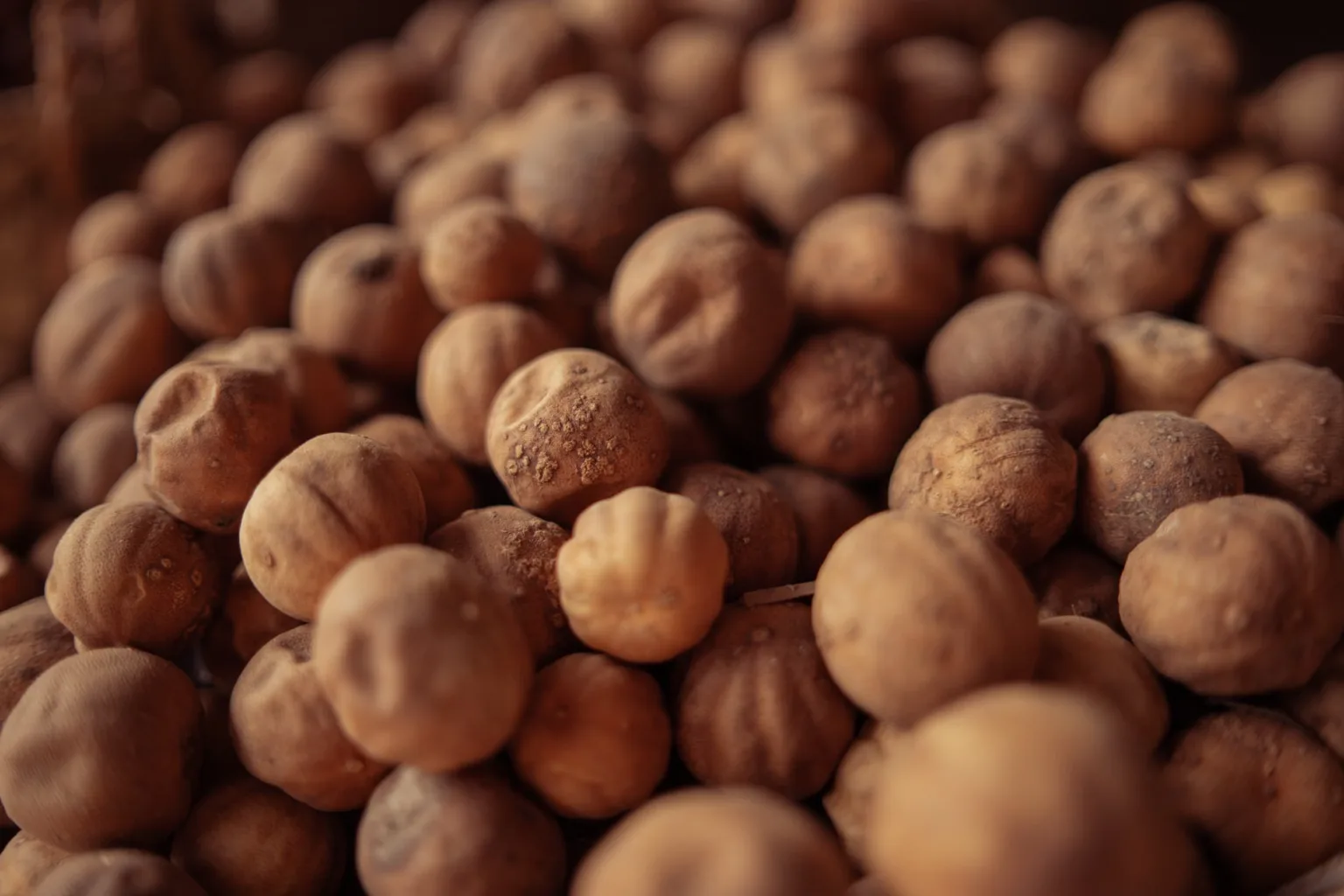
Ground dried black lime is a spice made by drying small citrus fruits and grinding them into a powder. It is also known as loomi or black lemon, although the fruit and preparation can vary. Some versions are briefly boiled in salted water before drying; the finished fruit can be dark, dry and aromatic. In powdered form, it is easy to blend into liquids, seasoning mixes and doughs. Its flavour is not identical to fresh lime: it combines citrus acidity with deeper, sometimes earthy, bitter or fermented notes. Products may differ in intensity and saltiness, so begin with a small amount, taste, and adjust to suit the particular powder.
When to use it
Use it when you want citrus tartness and a deep aroma without relying on fresh lime juice. It works especially well in stews, soups, rice and legumes, where it can blend into the cooking liquid. It can also season meat, fish and vegetables, or add a distinctive citrus note to cake and biscuit doughs. Its flavour is concentrated and less fresh-tasting than newly grated lime zest, so do not treat it as an exact replacement or add a large amount all at once. Taste the dish first and increase the seasoning gradually.
How to use it
Stir a pinch into soup, stew, rice or legumes during cooking so the aroma can blend through the liquid. You can also mix it into a marinade or seasoning blend for meat, fish or vegetables, then taste before adding more. For dry preparations such as cake or biscuit dough, distribute it through the dry ingredients before mixing. If using it as a finishing sprinkle, start lightly so its tart, potentially bitter character does not overwhelm the dish. Some products may be slightly salty, so taste before adjusting the dish’s salt. The right amount depends on the aroma and strength of the powder you have.
Flavour and texture
The powder has concentrated citrus acidity, but it is less bright and fresh than zest grated from a fresh lime. Depending on the fruit and preparation, it may have earthy, bitter, smoky or fermented notes. In good condition it should be dry and finely textured; it disperses readily in liquids and doughs. Some versions may also taste slightly salty. Intensity varies from product to product, so begin with a little and taste before adding more.
How to choose it
Choose a dry powder with a recognisable aroma and a well-sealed package. Check the label to confirm that it is ground black lime and to see whether salt or other ingredients are included, since processing and flavour can vary. Avoid packages showing moisture, damp clumping or visible deterioration. If possible, buy an amount you can use while its aroma is still clear; spices can lose strength over time.
Storage
Keep ground black lime in a clean, tightly closed container and protect it from moisture. Use a dry spoon and reseal the container after each use. Do not use the powder if it becomes damp, develops mould or shows clear signs of deterioration. Follow any storage directions on the package, and keep the product dry.
Substitutions
You can grind whole dried black lime to make a similar powder, although its strength will depend on the fruit. Fresh lime zest gives cleaner, fresher citrus notes but does not reproduce the earthy or fermented character of the dried spice. Use it as a different-style alternative, taste as you go, and adjust to the dish; there is no exact one-to-one match.
Common mistakes
A common mistake is to use it like fresh zest and add too much: its flavour can be intense, more bitter and less bright. Start with a pinch, taste and adjust. Do not assume every product tastes the same or that the powder contains no salt. Keep the package dry, and discard powder that is damp or mouldy.
Safety and allergens
Keep the powder dry and follow the package directions. Do not use it if it is damp, mouldy or visibly deteriorated.
Culinary uses
- citrus seasoning
- sour, aromatic accent
- flavouring for stews, soups and rice
Recommended techniques
- stir into simmering dishes
- mix into doughs or seasoning blends
- sprinkle sparingly as a finishing accent
Pairs well with
- lamb and other meats
- fish
- vegetables
- rice and legumes
- custards, cakes and biscuits
Frequently asked questions
What does ground dried black lime taste like?
It is tart and citrusy, with possible earthy, bitter, smoky or fermented notes. It does not taste exactly like fresh lime.
What dishes can I use it in?
Add it gradually to soups, stews, rice, legumes, meat, fish, vegetables and some sweet baked goods.
Can I replace it with fresh lime zest?
Yes, if a brighter, less complex flavour suits the dish. Fresh zest will not reproduce all the notes of dried black lime.
Ingredient allergens
Allergen listThere are no verified associations for these ingredients yet.
Sources and review
Automatically researched, cross-checked and validated content. Sources consulted:
- The Essential Glossary of Cooking Terms for the Culinary Arts - Escoffier www.escoffier.edu/blog/culinary-arts/the-essential-glossary-of-cooking-terms-for-the-culinar…
- Qué es la punción seca y para qué la usan los fisioterapeutas doi.org/10.64628/aao.5vsjmghj5
- Itinerary and diary of Francisco Atanasio Domínguez and Francisco Silvestre Vélez de Escalante | Early Americas Digital Archive (EADA) eada.lib.umd.edu/text-entries/itinerary-and-diary-of-francisco-atanasio-dominguez-and-franci…
- Educación sobre la diabetes healthsystem.osumc.edu/pteduc/docs/DiabetesEducation_SP.pdf
- Qué es la lima kaffir, ingrediente imprescindible de la cocina tailandesa www.directoalpaladar.com/ingredientes-y-alimentos/que-lima-kaffir-ingrediente-imprescindible…
- Loomi, el limón negro de oriente medio - La Abuela Carmen laabuelacarmen.com/loomi-el-limon-negro-de-oriente-medio/
- Para obtener proteína y calorías suficientes - Health Online healthonline.washington.edu/sites/default/files/record_pdfs/Getting_Enough_Protein_Calories_…
- *t> - Smithsonian Research Online repository.si.edu/bitstreams/86067b0e-198c-442c-a252-6b31e67fa8e2/download
- Limón/Lima negra - Viaja en mi Cocina viaja-en-mi-cocina.blogspot.com/2014/03/limonlima-negra.html
- Lima negra: perfumería noir y el cítrico que olvidó cómo ser fresco ~ Materias Primas www.fragrantica.es/noticia/Lima-negra-perfumeria-noir-y-el-citrico-que-olvido-como-ser-fresc…