- Category
- Meat
- State
- Fresh
- Usual unit
- g
What it is
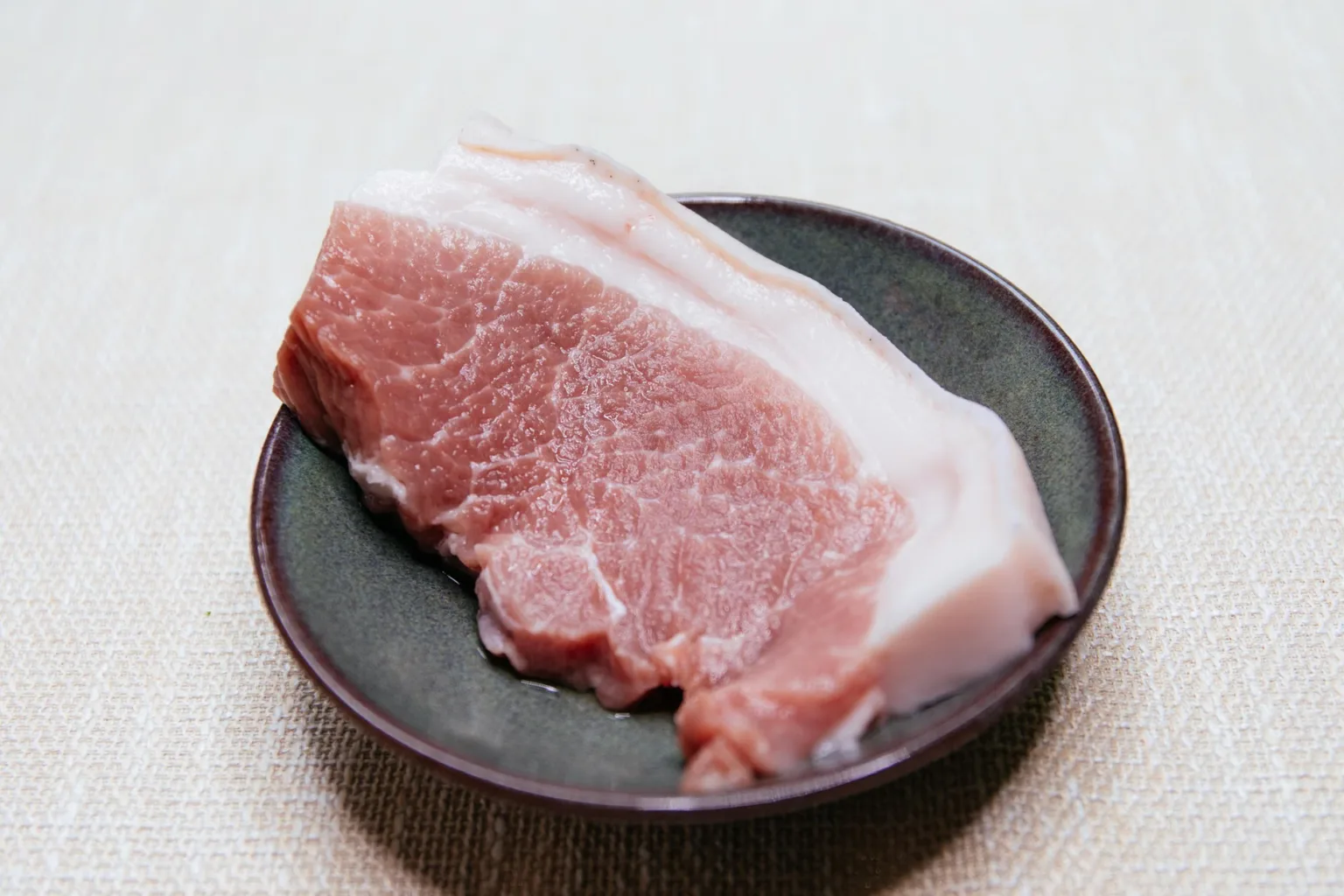
Ground pork is pork broken into small pieces, ready to season, shape, or mix into other preparations. It can be used on its own or combined with herbs, finely chopped vegetables, or ingredients that help bind a mixture. Its ground form makes it convenient for patties, meatballs, and sausage, and it can also be added to fillings or dishes served with sauce. The fat content and fineness of the grind can vary from one product to another, so texture and cooking results may differ. Like other raw ground meat, it needs careful handling: keep it refrigerated, prevent its juices from contacting ready-to-eat food, and cook the centre thoroughly.
When to use it
Choose ground pork when you want a malleable, easy-to-season ingredient for burgers, meatballs, or sausage. It can also be used in fillings or dishes served with rice, pasta, or vegetables. Combining it with other ingredients can change the texture or flavour, but the outside colour should not be used to judge doneness. Ground pork needs to be cooked thoroughly, so plan to bring the centre of each portion to 71°C. If you are not going to use it, keep it refrigerated or freeze it; do not place it where raw juices could reach foods that will be eaten without cooking.
How to use it
Keep the pork refrigerated until preparation, and start with clean hands, utensils, and work surfaces. Do not let raw meat or its juices touch ready-to-eat vegetables, bread, cooked dishes, or other foods. For burgers or meatballs, combine the pork with seasonings and shape it into portions. For sausage, distribute the seasonings evenly and keep the mixture cold while handling it. You can brown or sear portions in a pan, then continue cooking until the centre reaches at least 71°C. Check the middle with a clean food thermometer; colour alone is not a reliable safety test. Transfer cooked portions to a clean plate, never the plate that held the raw meat.
Flavour and texture
Ground pork has the characteristic flavour of pork and can be complemented with seasonings such as pepper, garlic, parsley, or oregano. Its fine texture makes it easy to shape and mix with other ingredients, although consistency varies with the grind and fat content. In sausage, some fat helps the mixture stay moist and hold together. Chopped vegetables, sauces, rice, and pasta offer ways to adapt it to different dishes.
How to choose it
Choose good-quality pork that has been kept refrigerated. Buy it cold and take it home without unnecessary delay; keep it separate from ready-to-eat foods so raw juices cannot contaminate them. Check the package information and follow its storage directions. If you do not plan to use the meat while it remains refrigerated, freeze it. Grind size and fat content can vary between products, so consider those differences when choosing pork for burgers, meatballs, or sausage.
Storage
Refrigerate ground pork promptly and keep the refrigerator at 4.4°C or below. Store it separately from ready-to-eat foods and prevent raw juices from dripping onto other items. If you will not use it, it can be frozen; thaw and handle it in a way that prevents cross-contamination. No safe storage duration is specified here, so follow the package instructions and local food-safety guidance. After handling raw meat, wash your hands, utensils, and work surfaces thoroughly.
Substitutions
Ground beef, lamb, chicken, or turkey can replace ground pork in some preparations, including sausage or meatball mixtures. A substitution will not necessarily produce the same flavour, moisture, or texture: meats differ in fat and composition, so seasoning and cooking may need adjustment. Do not assume that switching meats means the centre can be cooked less. Use a thermometer and cook ground meat to 71°C, while also following food-safety guidance specific to the meat you choose.
Common mistakes
Do not judge safety by colour: ground meat can look cooked before it reaches a safe temperature. Never put cooked meat on a plate that held raw meat, and keep raw juices away from ready-to-eat foods. Avoid using unwashed utensils or work surfaces, and do not leave the meat out of the refrigerator longer than needed for preparation. When making sausage, do not estimate nitrate or nitrite amounts yourself; use only quantities from current, reliable recipes.
Safety and allergens
Cook ground pork to at least 71°C at the centre and check it with a clean thermometer. Keep raw meat separate from ready-to-eat food. Wash your hands and clean cutting boards, utensils, and surfaces after handling it. Refrigerate it promptly and keep the refrigerator at 4.4°C or below. Appearance, smell, and taste cannot confirm that meat is safe.
Culinary uses
- Main ingredient for burgers and meatballs
- Base for fresh sausage and seasoned meat mixtures
Recommended techniques
- Shape into patties or meatballs and cook through
- Brown or sear in a pan, then continue cooking until the centre is safely cooked
- Mix with seasonings while keeping the meat cold when making sausage
Pairs well with
- Onion, tomato, lettuce, mushrooms, and other vegetables
- Rice, pasta, and breadcrumbs
- Pepper, parsley, oregano, garlic, and seasoning blends
- Tomato sauce or barbecue sauce
Frequently asked questions
What temperature should ground pork reach?
Cook it until the centre reaches at least 71°C. Check with a clean food thermometer rather than relying on colour.
Can ground pork be frozen?
Yes. Meat can be frozen. If you will not use it, freeze it and prevent its juices from contaminating other foods during thawing and handling.
What can I make with ground pork?
It works for burgers, meatballs, and sausage. Season it and serve it with vegetables, rice, pasta, or sauce.
Can I serve cooked pork on the plate that held it raw?
No. Use a clean plate for cooked meat, and wash surfaces and utensils that touched the raw pork.
Ingredient allergens
Allergen listThere are no verified associations for these ingredients yet.
Sources and review
Automatically researched, cross-checked and validated content. Sources consulted:
- Cuatro Pasos Simples Para la Seguridad en los Alimentos | Home & Garden Information Center hgic.clemson.edu/factsheet/cuatro-pasos-simples-para-la-seguridad-en-los-alimentos/
- Deshidratando Carne en Casa en Forma Segura bookstore.ksre.ksu.edu/pubs/spanish-dry-meat-safely-at-home-secando-carne-en-casa-en-forma-s…
- Vamos a Conservar Alimentos: Carnes extension.psu.edu/vamos-a-conservar-alimentos-carnes/
- La carne de cerdo, pilar de la cocina tradicional – Ibéricos Alhandiga ibericosalhandiga.com/la-carne-de-cerdo-pilar-de-la-cocina-tradicional/
- Revista del comité científico de la aecosan número 24 aesan.gob.es/dam/jcr:979384c0-5bd9-46d4-a29e-ccf5876c769c/RCC_24.pdf
- ¿Se puede comer con seguridad? Use un termómetro de alimentos para estar SEGURO. (Is it safe to eat? Use a food thermometer to be SURE.) | VCE Publications | Virginia Tech pubs.ext.vt.edu/FST/FST-28/FST-28NP-C/FST-28NP-C.html
- Summer sausage and deli-style meats | Servicio de Extensión de OSU extension.oregonstate.edu/es/catalog/sp-50-735-summer-sausage-deli-style-meats
- Recetas con carne molida de cerdo | Recetas Nestlé www.recetasnestle.com.co/blog-del-sabor/caseras/recetas-carne-molida
- Receta de Carne de Cerdo Molida (Picadillo de Cerdo) - Mi Cocina Dominicana micocinadominicana.com/picadillo-de-cerdo/
- - YouTube www.youtube.com/watch?v=94dyuFATzp8