- Category
- Herbs and spices
- State
- Powdered
- Usual unit
- teaspoon
What it is
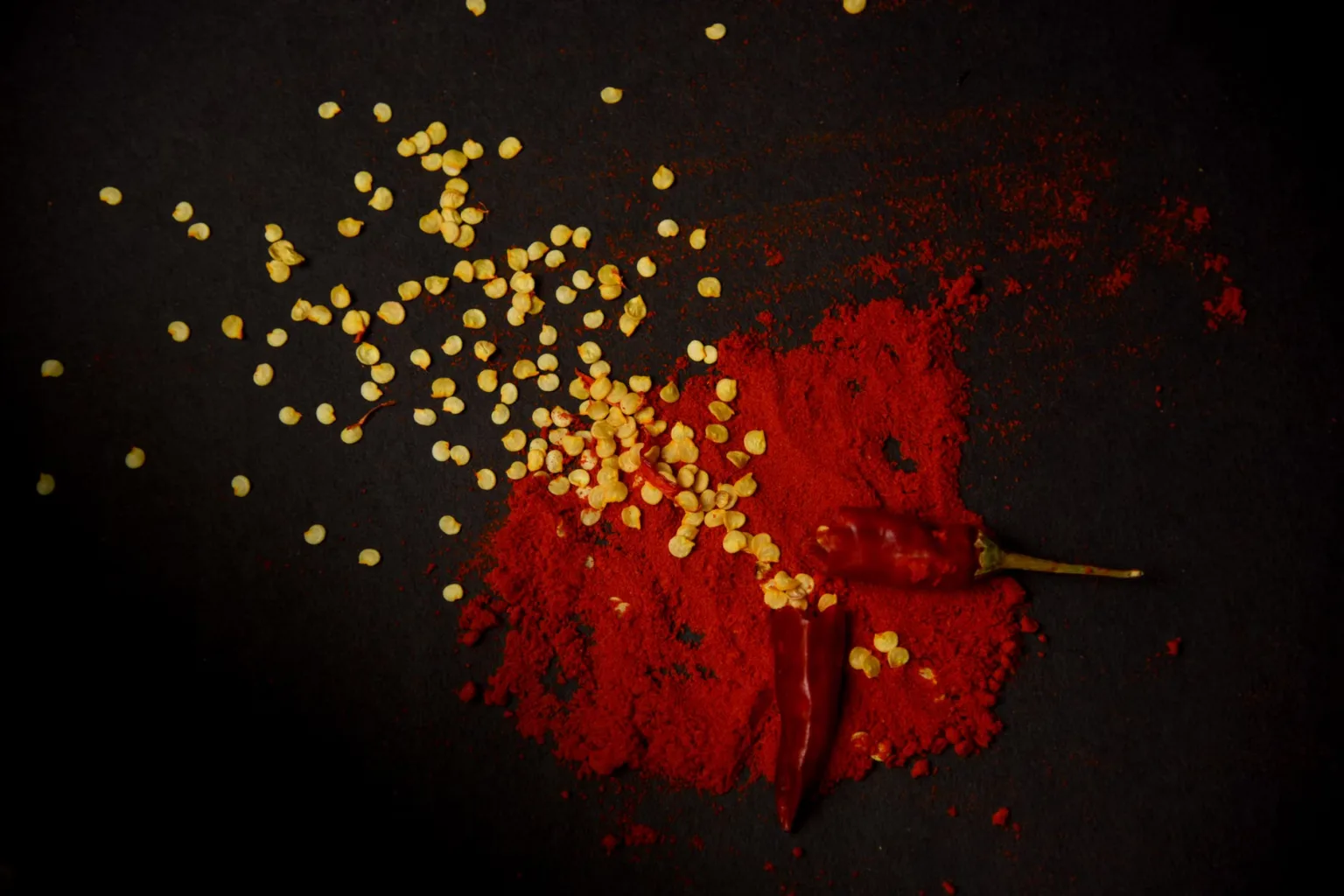
Ground red chili is a powdered seasoning made from dried red chilies. The name does not identify one single variety: chilies differ in size, flavor, and heat, and the resulting powders can vary too. It should not automatically be treated as sweet paprika or as a spice blend; check the product name and ingredient list to understand what you have. It can add color, aroma, and heat to a range of dishes. Because the generic name does not specify a fixed level of pungency, there is no universal amount that will work the same way for every product.
When to use it
Use it when you want to add chili flavor to a sauce, soup, stew, marinade, or a recipe calling for ground chili. It can also season meat, vegetables, and eggs. Heat may vary considerably from one product to another, so begin with a small amount, taste, and add more if needed. If you want pepper flavor or color without heat, check that the product is sweet paprika: ground red chili may be hot.
How to use it
Read the label to see whether the product is pure chili or a blend and to check for any heat guidance. Add a pinch or a small amount, stir, and taste before adding more; the generic name alone cannot predict its heat precisely. Stir it into sauces, soups, stews, marinades, or sprinkle it over a dish and mix thoroughly. When adding it to a liquid preparation, stir so the powder is distributed evenly. Adjust the amount to the flavor of the dish and the heat preference of the people eating it.
Flavour and texture
Flavor depends on the chilies used and can range from mild to very hot, with differences in aroma and other notes between products. The powder is dry and may be fine or somewhat coarse; its color is usually red, but shade and texture can vary. Do not assume every product has the same heat.
How to choose it
Check the product name, ingredient list, and any heat information before buying. “Ground red chili” can describe powders made from different varieties, so two packages may not have the same flavor or intensity. Choose a product suited to your intended use and check that the package is intact.
Storage
Follow the storage directions on the package, since products can differ. Keep the powder in its closed container and prevent it from getting damp; use a clean, dry utensil when serving. If it appears damp, changes unusually, or the package is damaged, check the label and do not use it if you are unsure.
Substitutions
Sweet paprika can add pepper flavor and color, but usually will not reproduce chili heat. Hot paprika or another ground dried chili may be closer, though the aroma and intensity can differ. Substitute gradually, taste the dish, and adjust rather than relying on a fixed ratio when the products are unknown.
Common mistakes
Do not assume all ground red chili has the same heat or automatically substitute sweet paprika for it. Adding too much at the start can overwhelm a dish. Add a little, mix well, and taste before seasoning further.
Safety and allergens
Heat and ingredients can vary by product. Check the label, avoid touching your eyes while handling the powder, and wash your hands afterward. If it irritates you, stop handling it and rinse the affected area with water.
Culinary uses
- Aportar picor, color y sabor a salsas y guisos
- Condimentar sopas, marinadas y platos de carne o verduras
Recommended techniques
- Incorporar poco a poco a salsas, adobos o marinadas
- Espolvorear como condimento y mezclar bien con el plato
Pairs well with
- Salsas, sopas y guisos
- Carnes, verduras, huevos y pescado
Frequently asked questions
Is ground red chili the same as paprika?
Not necessarily. Ground red chili may come from different varieties and can be hot; paprika is made from certain dried peppers and may be sweet or hot.
How much ground red chili should I use?
It depends on the product and your heat preference. Start with a small amount, stir, taste, and add more only if you want to.
Can I replace it with another chili powder?
Yes, but the flavor and heat may change. Add the substitute gradually and adjust after tasting.
Ingredient allergens
Allergen listThere are no verified associations for these ingredients yet.
Estimated nutrition
- Fat
- 0.44 g
- Saturates
- 0.04 g
- Carbohydrate
- 8.81 g
- Sugars
- 5.3 g
- Fibre
- 1.5 g
- Protein
- 1.87 g
- Salt
- 0.02 g
Sources and review
Automatically researched, cross-checked and validated content. Sources consulted:
- Client Challenge doi.org/10.2307/jj.27939689.16
- Pimentón - Wikipedia, la enciclopedia libre es.wikipedia.org/wiki/Piment%C3%B3n
- The Essential Glossary of Cooking Terms for the Culinary Arts - Escoffier www.escoffier.edu/blog/culinary-arts/the-essential-glossary-of-cooking-terms-for-the-culinar…
- Tipos de Chiles Secos Mexicanos: Características y Usos abarrotes.es/blog/chiles-secos-mexicanos-caracteristicas-y-usos/
- Para cocineros en Europa: 12 chiles mexicanos básicos y sus sustitutos – La Condesa lacondesabarcelona.com/chiles-mexicanos-basicos/
- Tipos de chile: cuáles son y cómo usar cada uno sin cocinar a ciegas www.abc.es/recetasderechupete/tipos-de-chile-cuales-son-y-como-usar-cada-uno-sin-cocinar-a-c…
- Chimayo Red o “chile sagrado” | Gastronomía & Cía www.gastronomiaycia.com/chimayo-red-o-chile-sagrado/amp/
- - YouTube www.youtube.com/watch?v=TA3KjE-3ajs