- Category
- Herbs and spices
- State
- Powdered
- Usual unit
- teaspoon
What it is
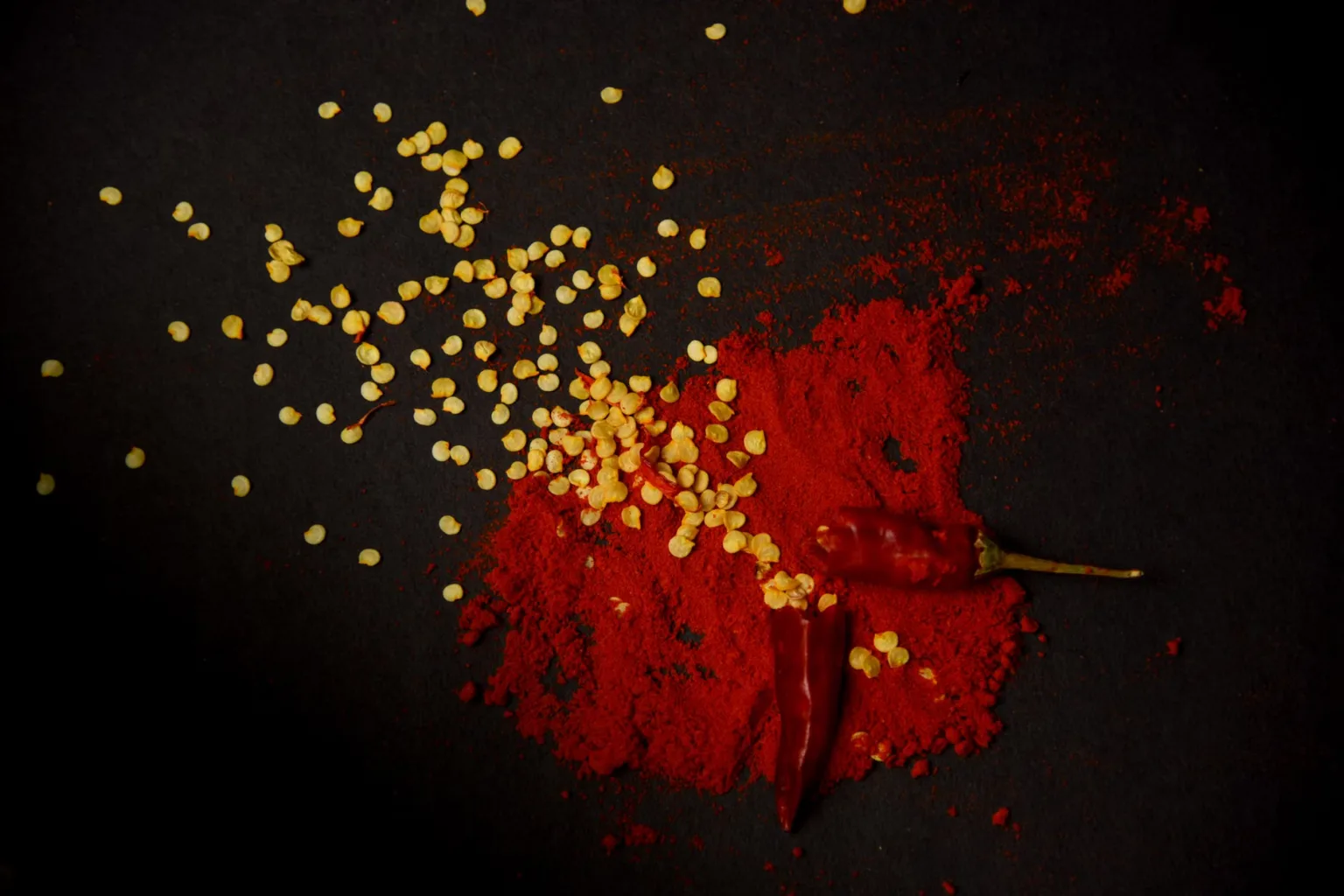
Ground red chilli is a seasoning made by drying and grinding hot fruits from the Capsicum genus. The name can cover different varieties, so colour, aroma and especially heat are not identical from one product to another. It is not black pepper: despite the use of “pepper” in some names, it comes from chilli fruits. Its fine, dry form makes it easy to distribute through a dish. The product name alone does not establish the exact variety or strength; check the label and use a cautious amount until you know how it tastes.
When to use it
Use it when you want to add a warm, spicy chilli character to a dish. It can season vegetable or legume stews, sauces, pasta, meat, fish and some salads. Heat differs by variety and product, so do not automatically use the same amount as another chilli powder. It is easier to build the seasoning gradually than to correct a dish that has become too hot. If the product is unfamiliar, begin with a pinch, mix it in and taste before adding more.
How to use it
Add a small amount to the dish and mix thoroughly so the powder is distributed evenly. Stir it into a stew or sauce while cooking, or use it as a seasoning in another dish and mix before tasting. Start with a pinch, allow the flavour to blend into the food, then adjust in small increments: chilli varieties and preparations can differ in heat. When seasoning a larger quantity, add a little at a time and taste between additions. Do not assume that every red chilli powder has the same strength or that a spoonful of one product can be exchanged directly for another.
Flavour and texture
Ground red chilli gives a dish heat and warm chilli notes, usually with a red colour. Its aroma and strength depend on the variety and product, so the name alone cannot predict them precisely. Because it is finely ground, it disperses readily through stews and sauces. It does not provide the fleshy texture of fresh chilli. For a milder result, begin with a very small amount, mix it in and taste before adding more.
How to choose it
Check that the pack identifies the ingredient as ground chilli and read the specific name or variety if one is provided. “Chilli” can refer to different varieties, and their heat can vary; do not assume all red powders are interchangeable. If the label describes the chilli type or heat, use that information as a guide rather than assuming it will match another product. Choose an intact pack and follow the storage directions on its label.
Storage
This is a dry, ground seasoning. Keep moisture out and close the pack after use. Follow the manufacturer’s storage directions rather than assuming that all products have the same storage life. Keeping the powder dry helps maintain suitable storage conditions. If the packaging gives specific instructions, follow those in preference to general advice.
Substitutions
Finely chopped fresh hot chilli or hot paprika can be used as alternatives, but the flavour, form and heat may differ. Fresh chilli adds moisture and texture, while powder is easier to disperse through a dish. Start with a small amount and adjust by tasting rather than making an equal-volume swap. Hot paprika is a possible alternative where a recipe calls for fresh chilli, but it will not reproduce exactly the same result.
Common mistakes
The main mistake is adding a large amount before finding out how hot the product is. Chilli varieties and products differ, so a measure that works with one pack may be excessive with another. Unmixed powder can also leave concentrated hot spots. Add it gradually, mix thoroughly and taste before adjusting the seasoning.
Safety and allergens
The heat can be intense, so use a cautious amount and avoid rubbing your eyes while handling chillies or their seasonings. Wash your hands well with soap and water after handling hot chillies and before touching your face. Check the product label if you need to know its specific ingredients.
Culinary uses
- Adds heat and red-chilli character to dishes
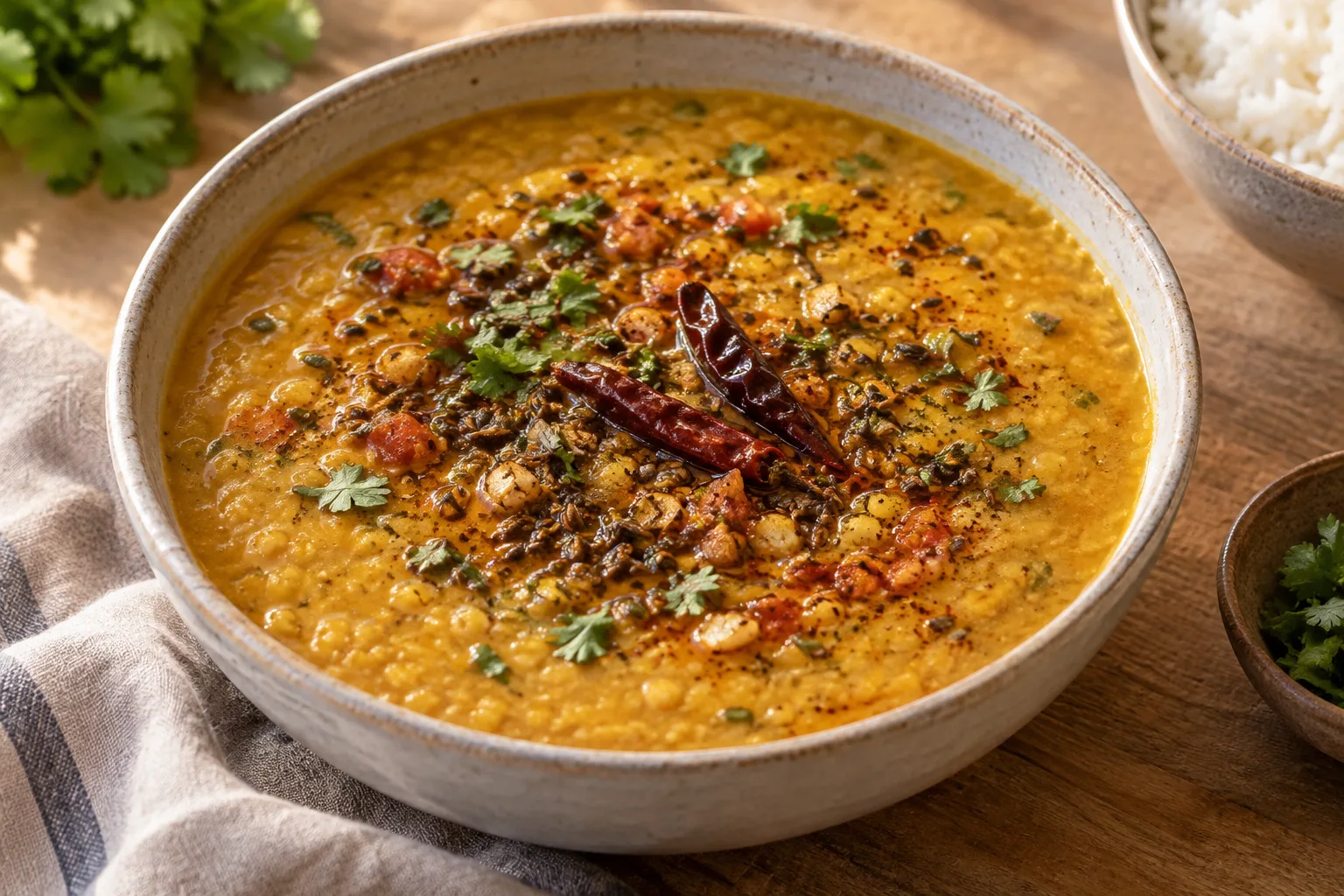
- Seasoning for stews, sauces, pasta, meat, fish and salads
Recommended techniques
- Stir into a dish during cooking to distribute the seasoning
- Add a little at a time and taste, since chilli heat varies
Pairs well with
- Lentils and vegetable stews
- Pasta, sauces and salads
- Meat and fish dishes
Frequently asked questions
Is ground red chilli always equally hot?
No. Heat varies with the variety and product. Start with a pinch, mix it in and taste before adding more.
What dishes can I season with it?
It can season stews, vegetables, legumes, sauces, pasta, meat, fish and salads. Adjust the amount to the dish and the strength of the powder.
Can I substitute fresh chilli for the powder?
Yes, but fresh chilli adds moisture and texture and may have a different heat level. Begin with a small amount and adjust to taste.
Ingredient allergens
Allergen listThere are no verified associations for these ingredients yet.
Sources and review
Automatically researched, cross-checked and validated content. Sources consulted:
- Romanica Olomucensia : «¿Qué pinga es esto?». Usos disfemísticos en el español de Cuba doi.org/10.5507/ro.2021.007
- The Essential Glossary of Cooking Terms for the Culinary Arts - Escoffier www.escoffier.edu/blog/culinary-arts/the-essential-glossary-of-cooking-terms-for-the-culinar…
- Guindilla: Botánica, cultura y sabor en una Especia | Alveus www.alveus.eu/es/blog/guindilla-origen-y-tipos/
- Guindilla: qué es, beneficios y usos en la cocina de este pimiento picante bonviveur.com/es/noticias/guindilla
- Comité Científico aesan.gob.es/dam/jcr:3c94ae83-1384-420c-96c1-0c2aa6f1544e/comite_cientifico_34.pdf
- - YouTube www.youtube.com/watch?v=hfLvsnOpIzc
- Recetas para comer fuera de casa: Achard de verduras www.cordonbleu.edu/madrid/recetas-para-comer-fuera-de-casa-achard-verduras/es
- Guindilla: qué es, beneficios, usos en la cocina y variedades de este pimiento picante www.directoalpaladar.com/ingredientes-y-alimentos/guindilla-que-beneficios-usos-cocina-varie…
- Las guindillas | Consumer www.consumer.es/alimentacion/las-guindillas.html
- Conservando los Coloridos Pimientos del Huerto extension.psu.edu/conservando-los-coloridos-pimientos-del-huerto/
- Guindilla | HerbaZest www.herbazest.com/es/hierbas/guindilla
- Capsicum annuum - Wikipedia, la enciclopedia libre es.wikipedia.org/wiki/Capsicum_annuum
- Llámalo chile, guindilla o ají: tipos de este pimiento y cómo cocinar con ellos | Gastronosfera www.gastronosfera.com/tendencias/llamalo-chile-guindilla-o-aji-tipos-de-este-pimiento-y-como…