- Category
- Sauces and condiments
- State
- Fresh
- Usual unit
- cup
What it is
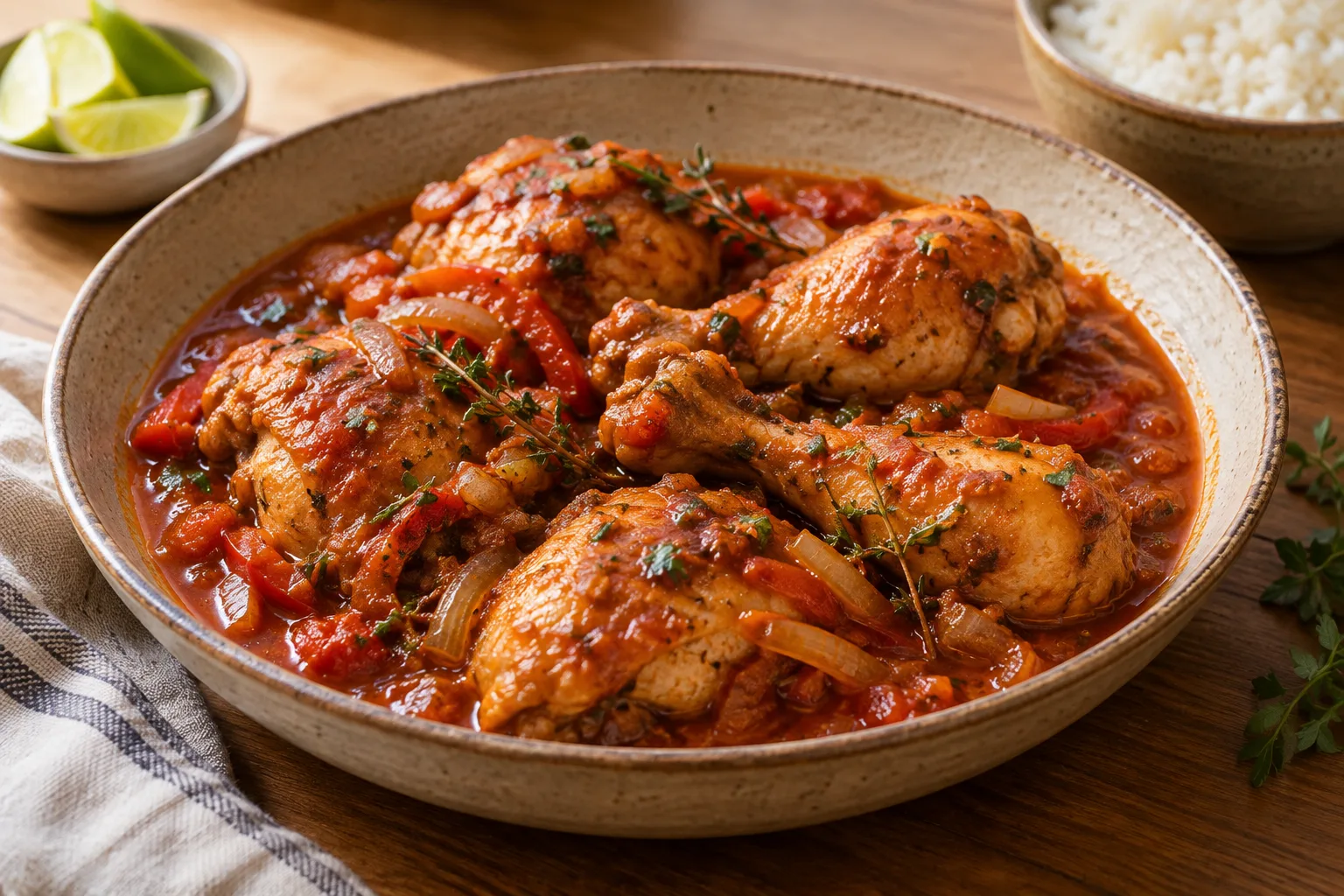
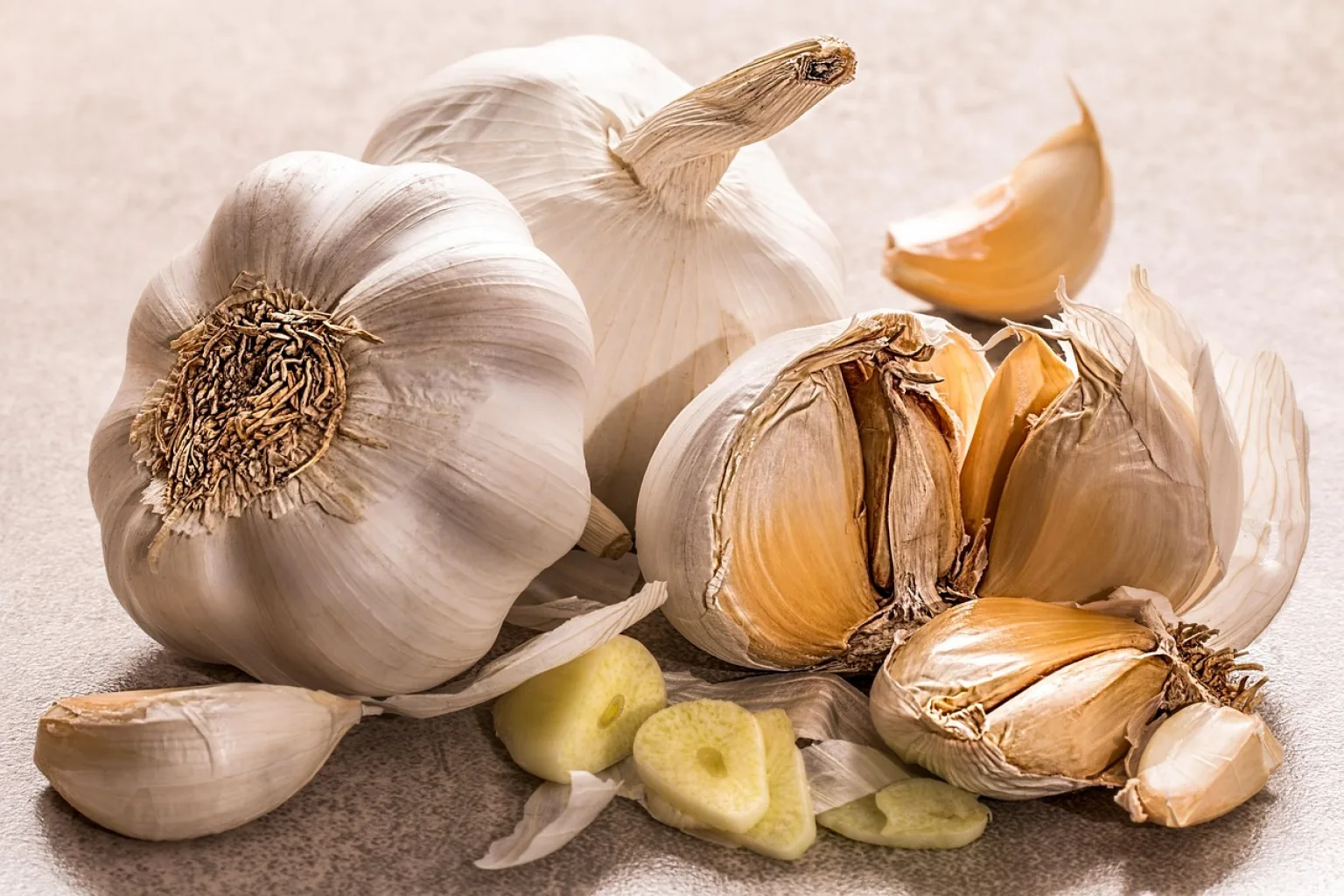
Haitian epis is a fresh mixture of herbs, peppers, and other aromatic ingredients blended or pounded into a seasoning paste. Recipes vary: they may include parsley, thyme, or scallions, along with bell pepper, onion, and garlic. Depending on the version, they can also contain chile, citrus, vinegar, oil, or spices. There is no single fixed ingredient list across the recipes described here. Epis is used as a flavor base for savory cooking and can also be applied to meat and fish as a seasoning or marinade. Its texture is generally moist and paste-like, though it changes with the ingredients and how finely they are blended.
When to use it
Use epis when you want to add several herbs and aromatics to a savory dish at once. It can season meat, poultry, fish, or seafood before cooking, or be added to rice, beans, soups, and stews as they are prepared. It can also take the place of some separately chopped aromatics in a recipe. Since blends differ in heat, salt, and oil content, taste the epis you have and adjust the rest of the seasoning to suit that particular version.
How to use it
Rough-chop the herbs, peppers, and onion; peel the garlic and remove tough herb stems as needed. Blend or process the ingredients into a paste. Some versions are made by pounding the ingredients together in a mortar. To season meat, fish, or seafood, spread some epis over the surface before cooking; alternatively, stir it into soups, stews, rice, or beans during preparation. If the recipe includes oil, citrus, vinegar, salt, or broth, remember that those ingredients vary between versions. Adjust the seasoning and consistency to suit the dish rather than assuming every epis blend tastes the same.
Flavour and texture
Epis brings a fresh, aromatic flavor with notes of herbs, garlic, onion, and pepper. Chile can make it hot, but the type and amount of chile vary, and some versions omit it. The texture is moist and paste-like; it may be looser when made with more oil or liquid. The balance of acidity, salt, and heat depends on the ingredients used.
How to choose it
Choose a blend whose ingredient list suits the way you plan to use it, and check for chile, salt, broth, citrus, or oil. Epis recipes vary in their herbs, peppers, and seasonings, so different jars or batches will not necessarily taste alike. If the label does not make the heat level clear, start with a small amount and adjust the dish after tasting.
Storage
Keep fresh epis in a closed jar or container in the refrigerator. The recipes consulted specify refrigeration but do not establish a storage period that can be applied to every blend. Follow the package directions for a purchased product, and avoid leaving fresh epis at room temperature for extended periods. When making it at home, use well-washed ingredients and a clean container.
Substitutions
There is no single exact substitute for epis. To approximate its flavor, combine fresh herbs with garlic, onion, and pepper; vary the herbs according to what you have, and use green, red, or mixed bell pepper. The type of oil can also differ between recipes. Adjust chile, salt, and acidity separately, since these are not included in the same proportions in every version.
Common mistakes
Do not assume that every epis blend has the same heat, saltiness, or acidity: recipes vary, and some ingredients are optional. Avoid adding a large amount before tasting, especially if the blend contains chile or salty broth. Do not blend it thinner than you want; if you need to adjust the texture, add liquid gradually.
Safety and allergens
Keep fresh epis refrigerated, and wash herbs and vegetables well before preparing it. Follow the package directions for commercial products.
Culinary uses
- Seasoning base for savory dishes
- Marinade or flavoring for meat and seafood
- Aromatic addition to rice, beans, soups, and stews
Recommended techniques
- Rough-chop the fresh ingredients, then blend or process into a paste
- Pound the ingredients together in a mortar
- Stir into a dish as it cooks or use to season ingredients before cooking
Pairs well with
- Meat and poultry
- Fish and seafood
- Rice and beans
- Soups and stews
Frequently asked questions
What does Haitian epis taste like?
It is generally herbal and aromatic, with garlic, onion, and pepper notes. Its heat and acidity depend on the recipe or product.
How do you use epis?
Use it to season meat and fish, or stir it into rice, beans, soups, and stews as they are prepared.
Does epis always contain chile?
No. Some recipes include habanero or another chile, while others vary their ingredients. Check the label or taste a small amount to gauge the heat.
Ingredient allergens
Allergen listThere are no verified associations for these ingredients yet.
Sources and review
Automatically researched, cross-checked and validated content. Sources consulted:
- ¿Por qué la muerte es origen de miedos y tabúes? doi.org/10.64628/aao.fccyk3qj3
- Client Challenge doi.org/10.2307/jj.27939689.16
- Alumni in the News: May 2026 | Culinary Institute of America www.ciachef.edu/blog/alumni-in-the-news-may-2026/
- international nongovernmental organizations and local food ... huskiecommons.lib.niu.edu/cgi/viewcontent.cgi?article=2635&context=allgraduate-thesesdissert…
- Plant-Based Culinary School | Online or On-Campus - Escoffier www.escoffier.edu/plant-based-programs/
- haiti productive land use systems project south east ... aurora.auburn.edu/bitstream/handle/11200/49417/SECID_Auburn%20PLUS%20Report%20No.%2028.pdf?i…
- Community Service Flavors Food Network Star’s Sizzling Success - California Community Colleges | Find Your Path www.cccco.edu/about-us/news-and-media/ccc-outlook-newsletter-archive/guy-fieri-pandemic/
- Assessing Rice Consumers' Preferences and Willingness to ... scholarworks.uark.edu/cgi/viewcontent.cgi?article=4654&context=etd
- Course Readings - Food Movement Voices: How to Create Change (MSFS-560) - LibGuides at Conrad N. Hilton Library library.culinary.edu/msfs560/readings
- Epis (base de condimento haitiano) | Boston Medical Center www.bmc.org/es/recipes/epis-base-de-condimento-haitiano
- Episodios de Haití - Common Threads www.commonthreads.org/es/recipes/haitian-epis/
- 10 maneras creativas de usar epis en tu cocina diaria – Lakay Flavors lakayflavors.com/es/blogs/haitian-food-guide/10-creative-ways-to-use-epis-in-your-everyday-c…
- - YouTube www.youtube.com/watch?v=YrR54I6i9wQ
- Adobo de especias haitianas Epis - The Haitian Times haitiantimes.com/es/adobo-de-especias-haitianas-epis/