- Category
- Dairy and eggs
- State
- Other
- Usual unit
- unit
What it is
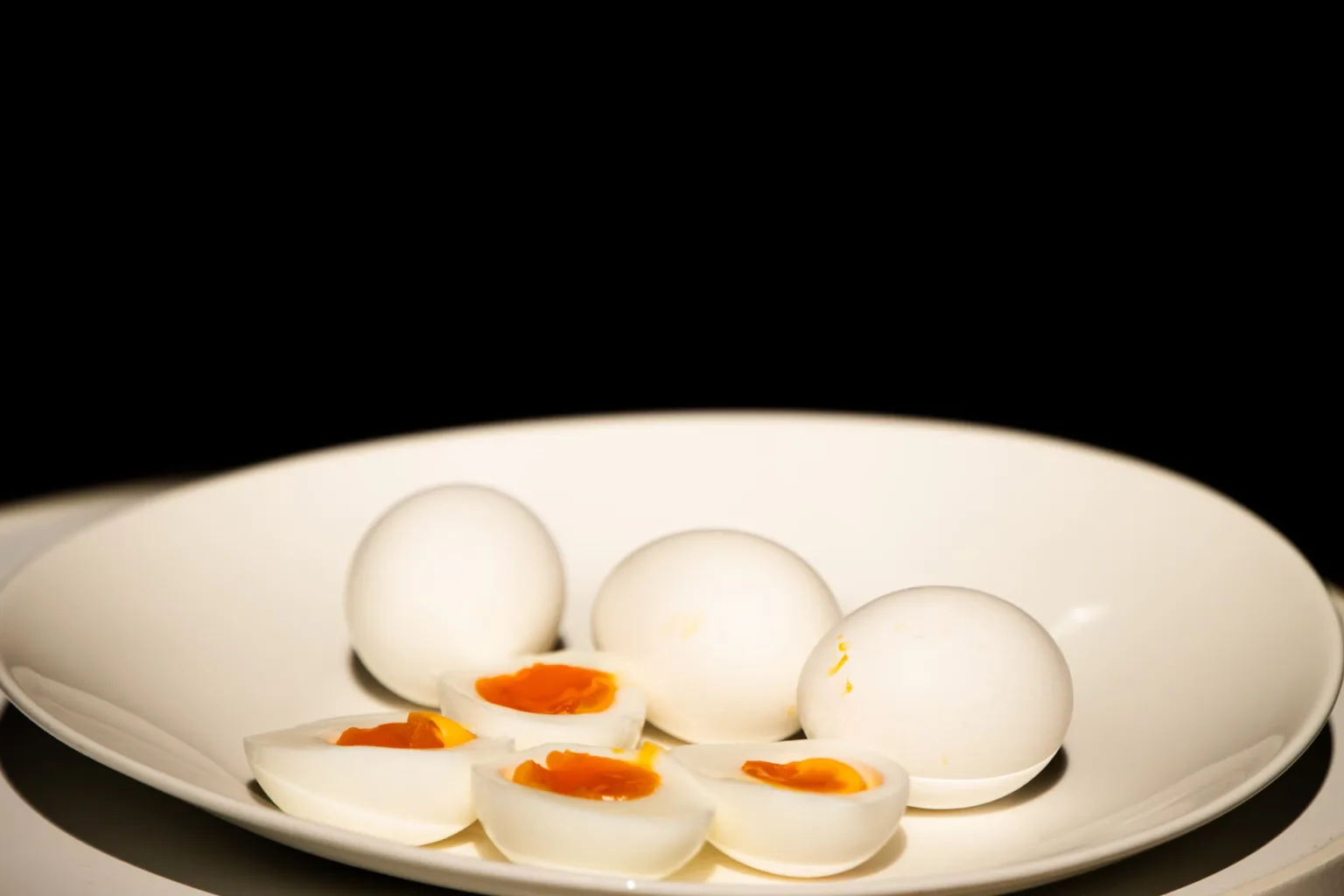
A hard-boiled egg is an egg, usually from a hen, cooked in its shell until both the white and yolk have set. Heat turns the liquid interior into a firm texture that can be sliced, crumbled or chopped. It differs from softer preparations, such as soft-boiled or medium-cooked eggs, because the yolk is solid too. The final texture depends on how the egg is cooked and how long it stays hot: overcooking can make the white rubbery and the yolk dry, sometimes with a greenish ring around it. Cooling the egg quickly after cooking helps stop residual cooking and reduce the chance of that green ring. It is used as a ready-to-serve ingredient, rather than as a raw egg for binding or emulsifying.
When to use it
Choose a hard-boiled egg when you want a firm piece of egg that holds its shape when cut and is easy to portion. It works well in salads, soups, sandwiches and fillings, served as halves, slices or small pieces. It is also convenient for preparing part of a meal ahead, provided it is stored appropriately. It is less suitable when a recipe needs a runny yolk or a tender white; choose a shorter cooking style for those results. If you plan to chop it or mix it with other ingredients, let it cool first so it is easier to handle.
How to use it
Peel the egg once it is cool enough to handle, and check that the shell comes away without taking too much white with it. Halve or slice it for salads, toast and other dishes; chop it if you are adding it to a filling, sandwich or soup. For more even pieces, use a clean knife and make decisive cuts instead of crushing the white. At home, cooking methods may start with cold water or water that is already hot: both approaches are used, though the initial heating affects control over cooking and the chance of the shell cracking. When cooking is complete, transfer the egg quickly to cold water to stop residual cooking. Avoid cooking it longer than needed, as this can toughen the white and encourage a greenish edge around the yolk.
Flavour and texture
Its flavor is mild and familiar, with a firm white and a denser, richer yolk. When properly cooked, it slices cleanly and stays tender rather than rubbery. Prolonged cooking can dry it out; a gray-green ring may also form around the yolk through a reaction between components of the white and yolk during heating.
How to choose it
If buying eggs to hard-cook, choose intact cartons and avoid eggs with cracked shells. Freshness affects peeling: very fresh eggs are often harder to peel after cooking. If appearance matters, keep this in mind and choose eggs that are easier to peel for dishes where the surface will be visible. Check the date on the carton and handle eggs gently to avoid cracking the shell.
Storage
Keep cooked eggs refrigerated and protected in a clean container. Leaving the shell on helps protect the interior during storage; once peeled, aim to use the egg soon and avoid leaving it exposed. Do not store eggs with cracked shells as though they were intact. Handle them with clean utensils and refrigerate without unnecessary delay.
Substitutions
For a different size or presentation, cooked eggs from other birds, such as quail, duck or goose, can be used, although their size and result will differ from a hen's egg. Choose the type to suit the intended use and serving portion. They are not exact replacements in recipes that depend specifically on the size, texture or white-to-yolk proportion of a hen's egg.
Common mistakes
Cooking an egg for too long can make the white rubbery and the yolk dry, and may encourage a gray-green ring. Cooling it quickly when cooking is complete helps stop residual cooking. Another common surprise is that a very fresh egg may be harder to peel. When preparing neat halves, avoid crushing the white while peeling or cutting.
Safety and allergens
Handle eggs with clean hands and utensils, and keep cooked eggs refrigerated. Discard eggs with cracked shells rather than treating them as intact. If an egg has a clearly unusual appearance or smell, do not eat it.
Culinary uses
- salad ingredient
- filling for stuffed eggs and sandwiches
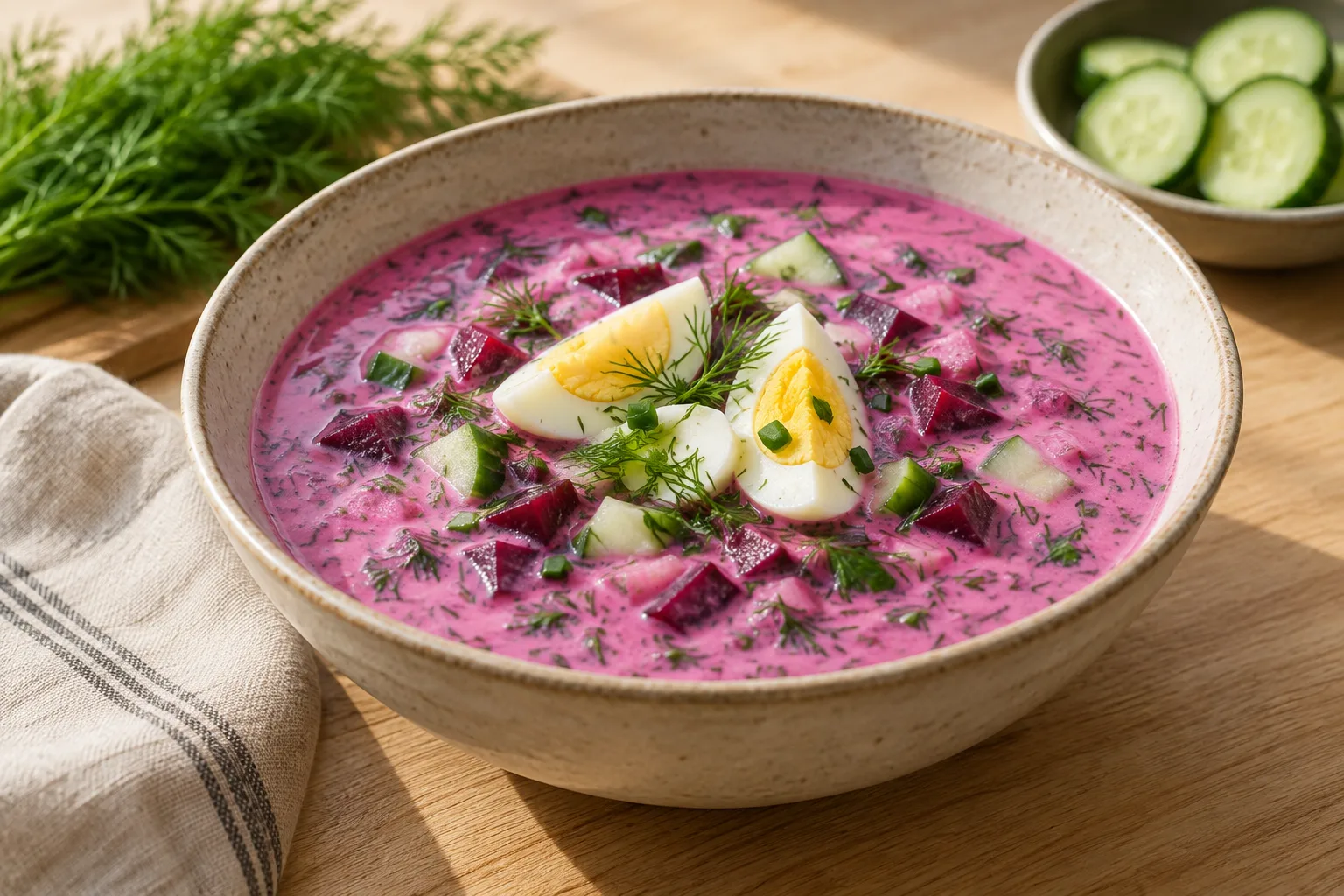
- addition to soups and other prepared dishes
Recommended techniques
- hard-cooking in the shell
- cooling rapidly after cooking
- peeling, slicing or chopping
Pairs well with
- salads
- soups
- sandwiches and toast
- savory fillings
Frequently asked questions
What is the difference between a hard-boiled and a soft-boiled egg?
In a hard-boiled egg, both the white and yolk are firm. In softer preparations, the yolk remains runny or less set.
Why might a greenish ring appear around the yolk?
It can form when an egg is heated for too long. Cooling it quickly after cooking helps stop the cooking process and reduce the chance of the ring.
Why are some cooked eggs difficult to peel?
Very fresh eggs are often harder to peel. Ease of peeling also depends on cooking and how the egg is cooled.
Ingredient allergens
Allergen listThere are no verified associations for these ingredients yet.
Sources and review
Automatically researched, cross-checked and validated content. Sources consulted:
- Client Challenge doi.org/10.2307/jj.27939689.16
- The Essential Glossary of Cooking Terms for the Culinary Arts - Escoffier www.escoffier.edu/blog/culinary-arts/the-essential-glossary-of-cooking-terms-for-the-culinar…
- Huevo: tipos, usos, técnicas y recetas - CocinoPedia.com cocinopedia.com/enciclopedia-gastronomica/huevo/
- Eating Spain: National Cuisine Since 1900 - UKnowledge uknowledge.uky.edu/context/hisp_etds/article/1031/viewcontent/Eating_Spain_National_Cuisine_…
- Eggs • The Nutrition Source nutritionsource.hsph.harvard.edu/food-features/eggs/
- Science of Eggs: How to Hard Cook an Egg | Exploratorium www.exploratorium.edu/explore/cooking/hard-cook-egg
- Huevo duro | Gastronomía & Cía www.gastronomiaycia.com/huevo-duro/
- Hoy, huevo hoyhuevo.es/curiosidades-de-los-huevos-en-la-cocina/
- GUIA OVOPRODUCTOS PDF WEB www.aesan.gob.es/gl/dam/jcr:0c6317ab-05c5-4525-918e-38fe402e43f2/OVOPRODUCTOS_1.pdf.pdf
- - YouTube www.youtube.com/watch?v=79dw7qtlYhc
- Usos gastronómicos del huevo: técnicas y nutrición webgirasoles.com/usos-gastronomicos-del-huevo-versatilidad-tecnica-y-nutricion/
- Food allergen labelling and information requirements technical guidance - GOV.UK www.gov.uk/government/publications/food-allergen-labelling-and-information-requirements-tech…