- Category
- Dairy and eggs
- State
- Other
- Usual unit
- unit
What it is
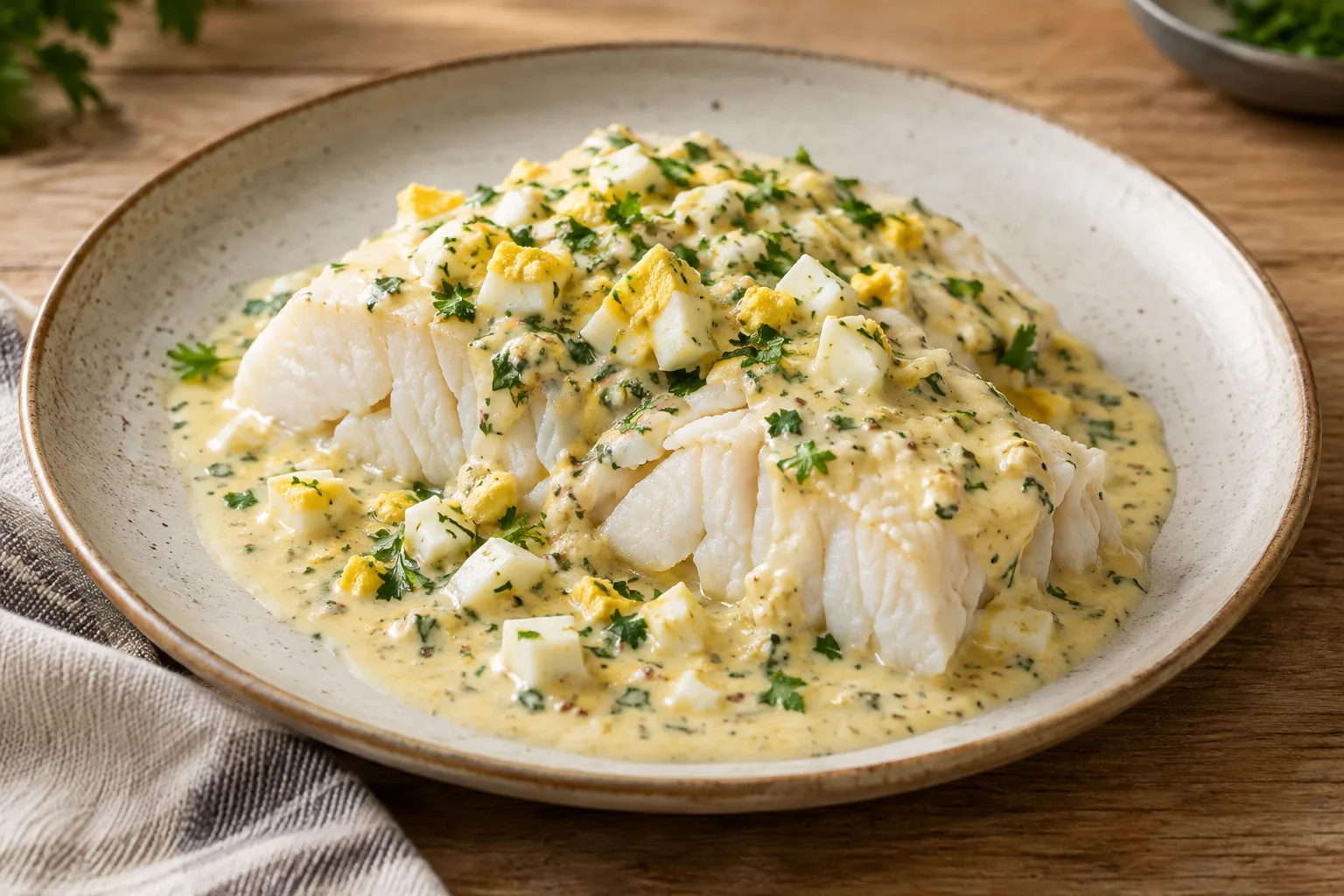
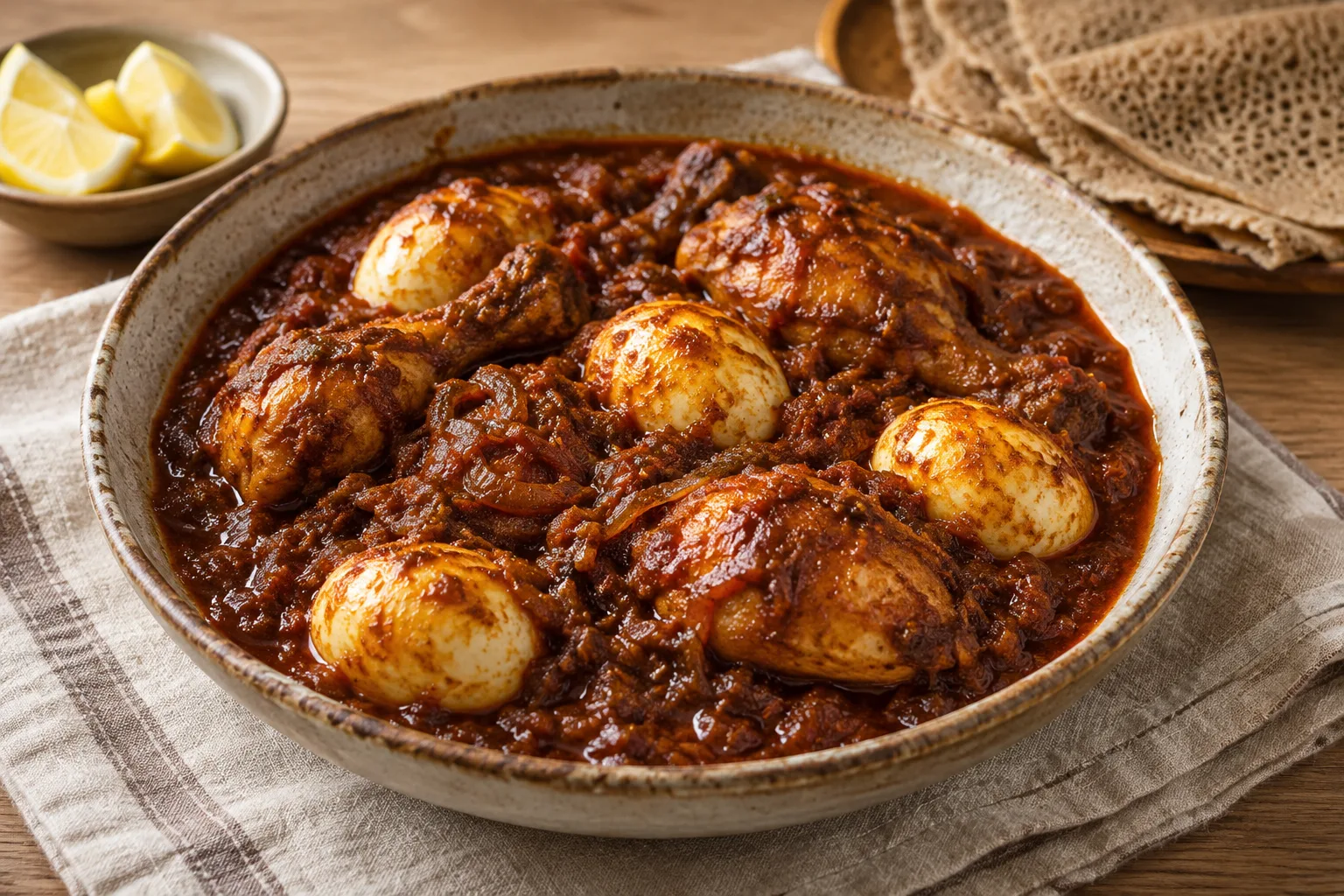
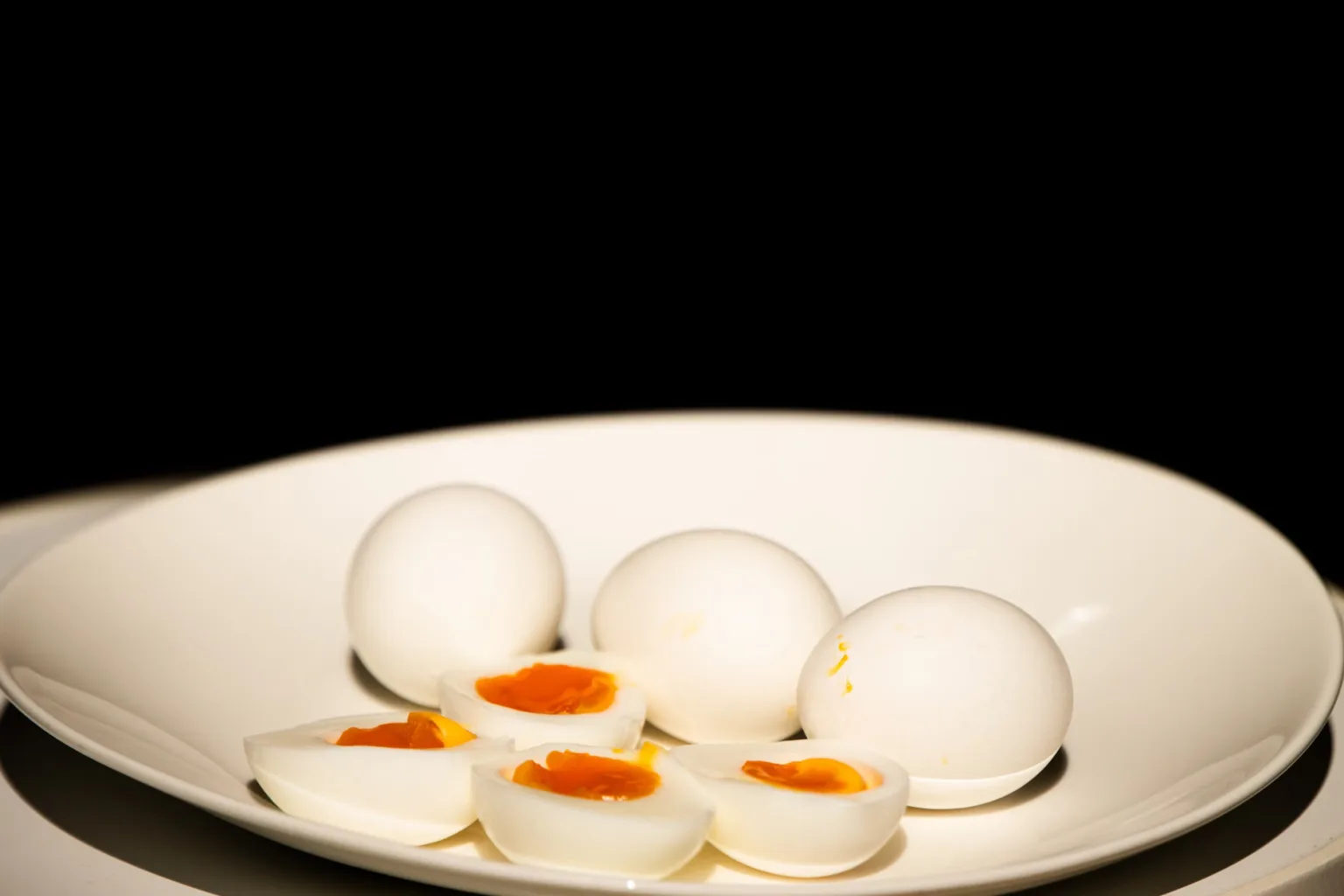
A hard-boiled egg is an egg, usually from a hen, cooked in its shell until both the white and yolk are firm. Cooking changes the translucent white into an opaque, set solid and turns the yolk from soft to compact. The egg can be served whole, cut into halves or slices, or chopped and added to other dishes. It differs from soft-boiled or mollet eggs, which retain a softer centre. Firmness and ease of peeling can vary with the egg and the cooking method, so the result is not always identical from one batch to another.
When to use it
Choose hard-boiled eggs when you want a firm, easy-to-cut egg component for a dish. They are useful in salads, sandwiches and fillings, and can be served as a snack or as part of a simple meal. They also pair well with ingredients such as green beans, ham or salmon. Because the egg is already cooked, add it near the end of a hot preparation or serve it cold; prolonged reheating can make its texture dry or tough.
How to use it
Cook eggs in their shells until the whites and yolks are firm; the result depends on egg size and how heat is applied, so cooking times are not identical in every kitchen. After cooking, cool the eggs promptly to stop the process and help prevent a rubbery white or a greenish ring around the yolk. Once cool enough to handle, peel the shells and cut the eggs into halves, slices or small pieces. Add them to salads and sandwiches, mix them into fillings, or serve them with vegetables, ham or salmon. For hot dishes, stir them in at the end rather than heating them for a long time.
Flavour and texture
Hard-boiled eggs have a mild, familiar flavour, with a richer taste in the yolk than in the white. A properly cooked white is firm and smooth; overcooking can make it rubbery. The yolk is solid and crumbly, although extended cooking can make it feel dry. A green or grey ring around the yolk can result from overcooking; that colour alone does not indicate that the egg has spoiled.
How to choose it
For hard-boiling, choose eggs with intact shells and no cracks. Very fresh eggs can be harder to peel after cooking, so choosing the freshest eggs does not always produce the easiest-to-peel result. Check the package information and handle eggs gently to avoid knocks. If an egg’s shell is cracked, do not treat it as an intact egg.
Storage
Keep hard-boiled eggs refrigerated and protected from contamination and odours from other foods. Keep hands, utensils and surfaces clean when peeling or cutting eggs. Avoid leaving them at room temperature for extended periods, and follow applicable local food-safety guidance for prepared foods. If you are unsure about an egg’s condition or how it has been stored, the cautious choice is not to eat it.
Substitutions
There is no exact substitute that reproduces both the flavour and texture of a hard-boiled egg. Cooked quail eggs can fill a similar role in salads or appetisers, but they are smaller, so adjust the amount. Cooked duck eggs are another option, though their size and character may differ. If you only need a garnish, you can leave out the egg and adjust the dish, while accepting that the result will change.
Common mistakes
Cooking eggs for too long can toughen the white, dry out the yolk and cause a greenish ring to form around it. Another common mistake is peeling or cutting eggs before they have cooled enough to handle comfortably. Do not assume every egg will peel equally easily: very fresh eggs can be harder to peel. Add eggs to hot dishes at the end instead of simmering or reheating them for a long time.
Safety and allergens
Keep cooked eggs refrigerated and use clean hands, utensils and surfaces. Avoid eating them if their condition or storage history is in doubt, and do not leave them at room temperature for extended periods. Follow the official food-handling and storage guidance that applies in your area.
Culinary uses
- salad ingredient
- filling for stuffed eggs and sandwiches
- garnish or topping
Recommended techniques
- hard-cooking in the shell
- rapid cooling after cooking
- peeling and slicing or chopping
Pairs well with
- salmon
- green beans
- ham
- salads
Frequently asked questions
Why does a hard-boiled egg have a green ring around the yolk?
It is usually associated with cooking for too long and a reaction between components of the white and yolk. The colour alone does not mean the egg has spoiled.
Why are some hard-boiled eggs difficult to peel?
Very fresh eggs can be harder to peel. Cooling eggs promptly after cooking stops the cooking process, although it does not guarantee that the shells will peel off perfectly.
How can I serve hard-boiled eggs?
Cut them into halves, slices or pieces for salads, sandwiches and fillings, or serve them with vegetables, ham or salmon.
Ingredient allergens
Allergen listThere are no verified associations for these ingredients yet.
Sources and review
Automatically researched, cross-checked and validated content. Sources consulted:
- Client Challenge doi.org/10.2307/jj.27939689.16
- The Essential Glossary of Cooking Terms for the Culinary Arts - Escoffier www.escoffier.edu/blog/culinary-arts/the-essential-glossary-of-cooking-terms-for-the-culinar…
- Huevo: tipos, usos, técnicas y recetas - CocinoPedia.com cocinopedia.com/enciclopedia-gastronomica/huevo/
- Nutrition After Your Transplant - Health Online healthonline.washington.edu/sites/default/files/record_pdfs/Nutrition-After-Your-Transplant-…
- POTATOES - Extension St. Croix County stcroix.extension.wisc.edu/files/2019/06/Potatoes-Papas-Fact-Sheet.pdf
- Eggs • The Nutrition Source nutritionsource.hsph.harvard.edu/food-features/eggs/
- Para la ciudadanía www.aesan.gob.es/para-la-ciudadania
- Science of Eggs: How to Hard Cook an Egg | Exploratorium www.exploratorium.edu/explore/cooking/hard-cook-egg
- Matters of Food, Religion, and Gender in Emilia Pardo Bazánâ digitalcommons.usu.edu/cgi/viewcontent.cgi?article=1115&context=decimononica
- Huevo duro | Gastronomía & Cía www.gastronomiaycia.com/huevo-duro/
- ¿Cómo hacer huevos duros? ¡Te lo contamos todo! - Gallina Blanca www.gallinablanca.es/noticia/como-hacer-huevos-duros/
- Hoy, huevo hoyhuevo.es/curiosidades-de-los-huevos-en-la-cocina/
- Food allergen labelling and information requirements technical guidance - GOV.UK www.gov.uk/government/publications/food-allergen-labelling-and-information-requirements-tech…