- Category
- Dairy and eggs
- State
- Fresh
- Usual unit
- g
What it is
Heavy cream is a liquid dairy cream sold for whipping and cooking. When beaten, cream can trap air and become light and fluffy, making it useful as a dessert topping or component. It can also be stirred into sauces, soups and stews to give them a creamy quality. Cream products are not all interchangeable: some are intended for cooking, while others are suitable for whipping. Check the package and choose one that fits the technique you need. Whipped cream is delicate and does not have the same structure as a cooked or thickened cream preparation. The name and exact characteristics can vary by market and product, so rely on the label rather than assuming that every carton behaves the same way.
When to use it
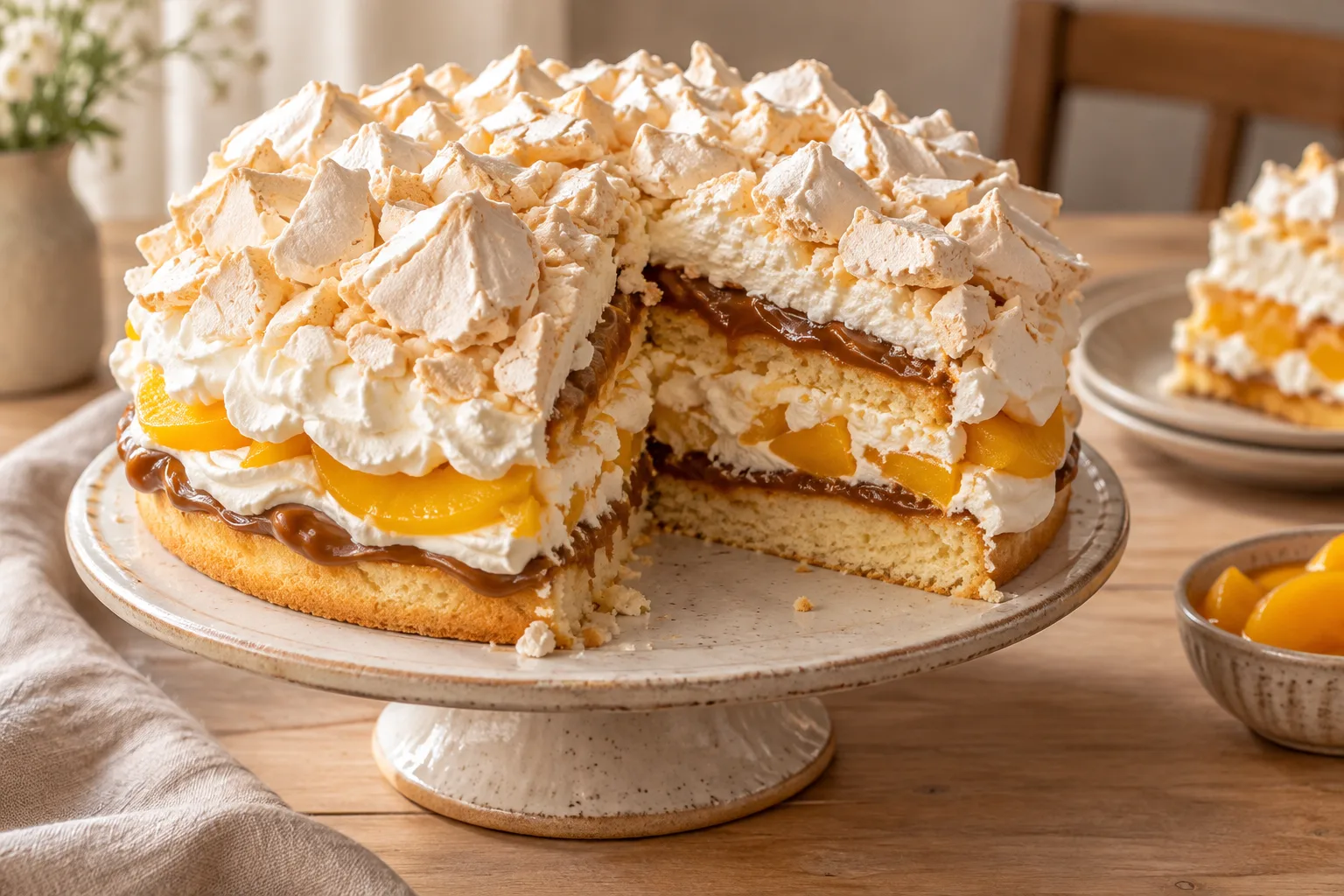
Choose heavy cream when you want an airy topping, an accompaniment for fruit or tarts, or a whipped component in a dessert. Cream can also be added to sauces, soups and stews when the product is suitable for cooking. In hot dishes, add it gently, preferably near the end, and avoid prolonged intense heat to help maintain an even texture. If a recipe needs a filling or topping to hold a defined shape for a long time, remember that whipped cream is more delicate than a cooked or thickened preparation.
How to use it
To whip cream, start with a product whose label says it is suitable for whipping. Pour it into a bowl and beat until it reaches the texture you want, then stop; overbeating can make it grainy and move it toward butter. Sweeten or flavour it as the recipe calls for. To add cream to a sauce or soup, stir it in gradually so it is distributed evenly. Avoid a sudden change in heat and do not expose it to prolonged, intense cooking; adding it near the end can help keep the mixture smooth. Follow the product’s own instructions, since creams can differ in how they perform.
Flavour and texture
Cream has a mild dairy taste and a smooth, rich feel. Before whipping, it is fluid; beating incorporates air and makes it lighter, fluffier and more voluminous. In soups and sauces, it contributes a creamy texture. The final result depends on the product and handling: whipped cream is more delicate than a cooked or thickened cream preparation.
How to choose it
Read the package before buying. Check that the product is dairy cream and that it is labelled as suitable for whipping if you plan to whip it. A cream intended for cooking may work in sauces but may not give the same result when beaten. Inspect the package and follow the manufacturer’s storage and date instructions.
Storage
Store the product as directed on its package and keep it refrigerated when instructed. After opening, close it securely or transfer it to a clean, airtight container, then return it to storage according to the manufacturer’s directions. Whipped cream should also be kept refrigerated. Do not rely on appearance alone to judge how long it will keep; follow the package storage guidance and date.
Substitutions
For sauces and soups where whipping is not needed, cooking cream can be used instead of whipping cream, though the richness and texture may differ. Plant-based cooking cream is another option in savoury dishes, but do not assume it will whip or behave like dairy cream.
Common mistakes
Do not assume every cream can be whipped; check the package for its intended use. Avoid overbeating, which can destroy the airy texture and turn the mixture grainy as it moves toward butter. In hot dishes, prolonged intense heat can encourage separation. Stir cream in gently and avoid sudden temperature changes.
Safety and allergens
Contains milk. Follow the package directions for refrigeration and use, and check official food alerts if you have concerns about a specific product.
Culinary uses
- Whipped topping and dessert component
- Creamy addition for sauces, soups and stews
Recommended techniques
- Whisk to incorporate air and make a light whipped cream
- Stir into hot dishes gently, preferably near the end of cooking
Pairs well with
- Fresh fruit and tarts
- Pasta, mushrooms, soups and vegetables
Frequently asked questions
Can every cream be whipped?
Not necessarily. Check that the package says the product is suitable for whipping; cooking cream may behave differently.
What happens if I overwhip cream?
It can lose its airy texture and become grainy as it moves toward butter. Stop when it reaches the consistency the recipe needs.
How should I add cream to a hot soup or sauce?
Stir it in gradually. Avoid prolonged intense heat; adding it near the end can help maintain an even texture.
Ingredient allergens
Allergen listThere are no verified associations for these ingredients yet.
Estimated nutrition
- Fat
- 40 g
- Saturates
- 26.7 g
- Carbohydrate
- 0 g
- Sugars
- 0 g
- Fibre
- 0 g
- Protein
- 0 g
- Salt
- 0.08 g
Sources and review
Automatically researched, cross-checked and validated content. Sources consulted:
- Client Challenge doi.org/10.2307/j.ctvndv9t9.22
- The Essential Glossary of Cooking Terms for the Culinary Arts - Escoffier www.escoffier.edu/blog/culinary-arts/the-essential-glossary-of-cooking-terms-for-the-culinar…
- Agencia Española de Seguridad Alimentaria y Nutrición www.aesan.gob.es/
- Crema de leche para cocinar, ¿cuáles son las opciones? www.alqueria.com.co/blog-nutricion-bienestar/crema-de-leche-para-cocinar
- pentagrams people.sc.fsu.edu/~jburkardt/fun/wordplay/pentagram.html
- - YouTube www.youtube.com/watch?v=O8qZxq7kXJY
- Crema Chantilly tradicional francesa - Recetas Fáciles ✔️ www.recetasfaciles.com.es/receta-facil/crema-chantilly/
- Todo sobre las cremas de repostería: tipos, texturas y cuándo utilizarlas | KitchenAid ES www.kitchenaid.es/blog/crema-de-reposteria
- Food allergen labelling and information requirements technical guidance - GOV.UK www.gov.uk/government/publications/food-allergen-labelling-and-information-requirements-tech…