- Category
- Vegetables
- State
- Fresh
- Usual unit
- unit
What it is
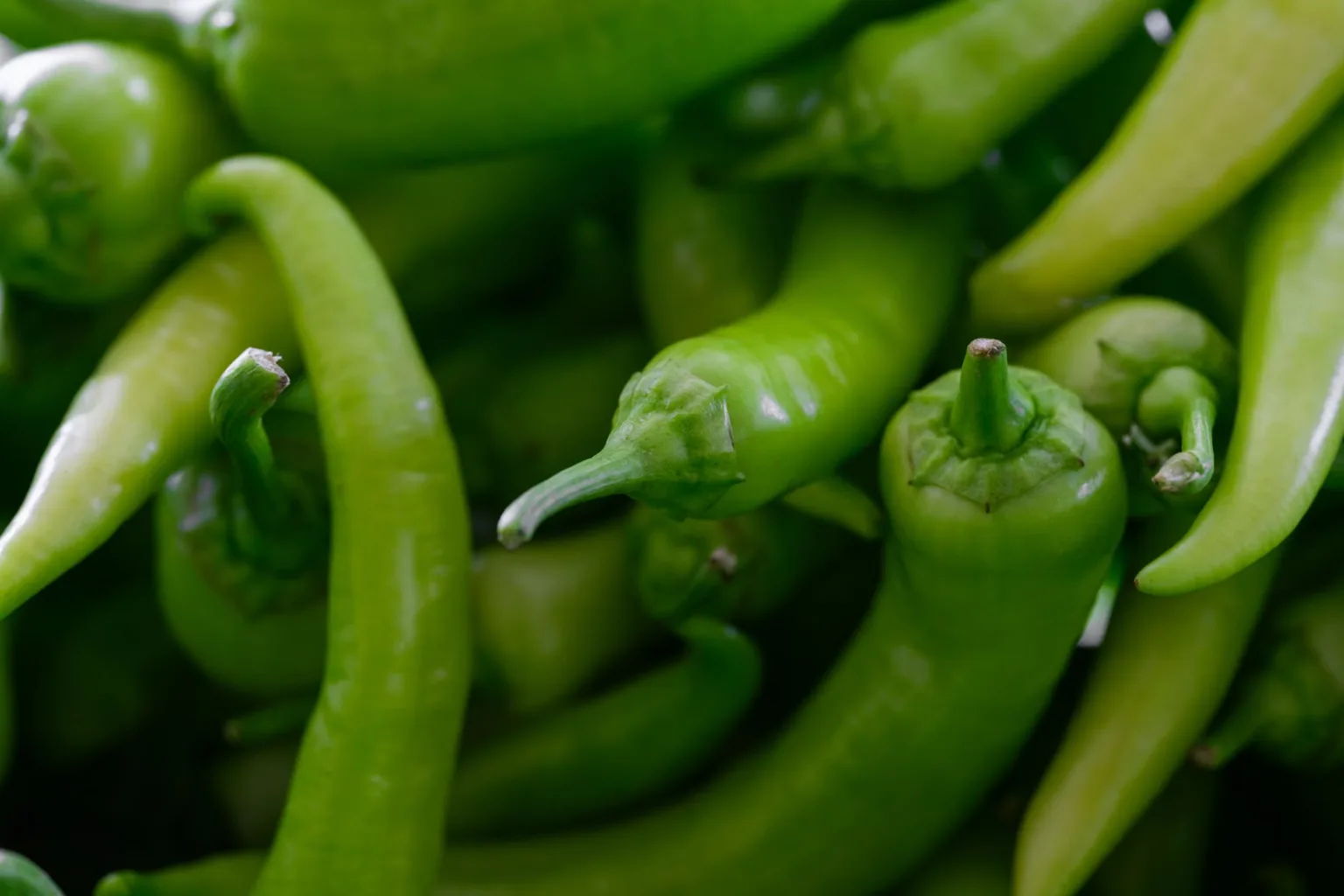
A hot pepper is the fresh fruit of a Capsicum variety that produces a hot sensation. Types include cayenne, chili, jalapeño and serrano, as well as some cherry varieties; they differ in shape, color and heat. The fruit can be used as a vegetable or seasoning, raw, cooked, stuffed or made into a sauce. Its name alone cannot tell you exactly how hot an individual pepper will be: variety offers a guide, but individual peppers vary too. This profile covers the fresh fruit, not ground paprika or a prepared chile sauce.
When to use it
Use a hot pepper when you want to add heat and fresh pepper flavor to a dish, from salsa or a relish to soup, stew, stir-fry or casserole. Chop it raw for a sauce or garnish, or cook it into a hot dish; it can also be stuffed. Heat varies by variety and individual fruit, so begin with a small amount if you are unfamiliar with it, then taste before adding more. When a recipe depends on fresh pieces and their texture, another fresh chile is a closer substitute than a dried spice.
How to use it
Wash the pepper thoroughly under cold water and dry it. To prepare it, cut away the stem end and remove the seeds and fibrous interior if desired; rinsing the inside can help remove loose seeds. Chop or slice it for salsa, salads, soups, stews, stir-fries, casseroles or pizza. You can also sauté slices or rings in a little oil until tender and lightly browned, or roast the pepper until its skin blisters and then peel it. For a stuffed preparation, keep the pepper whole and prepare it with your chosen filling. Wear gloves or use a kitchen tool when removing seeds and handling hot chiles to reduce skin irritation; wash your hands and utensils afterward.
Flavour and texture
Heat is the defining feature, and its intensity varies widely among varieties and individual peppers. Fresh flesh is firm and crisp when raw; cooking softens it and lets it blend into the dish. Shape and color also vary by variety, so appearance alone does not guarantee a particular heat level. Roasting until the skin blisters makes peeling easier and leaves the pepper softer than when raw.
How to choose it
Choose peppers that are firm, crisp and brightly colored, with fresh-looking skin and no soft areas. Avoid fruit that is bruised, cracked, wrinkled, blistered or visibly deteriorating. Variety can indicate the kind of chile, but it cannot guarantee exactly how hot an individual pepper will be. If you need a particular heat level, choose an identified variety and add it gradually, tasting before adding more.
Storage
Keep fresh peppers in the refrigerator in a bag, and avoid crushing them or letting them become damp. Check their condition before use and discard any that show signs of deterioration. To freeze them, wash and prepare the peppers; they can be frozen unpeeled or roasted, peeled and trimmed of stems, seeds and membranes. Use freezer-suitable packaging, label it and freeze promptly. Dried chile keeps its flavor best in a cool, dark place.
Substitutions
Another fresh chile variety can stand in for a hot pepper, but adjust the amount because heat differs among varieties and individual fruits. Dried hot chile can also add heat, though it will not reproduce the texture or freshness of a freshly cut pepper. Start with a small amount, especially when the substitute is unfamiliar, and taste the dish before adding more.
Common mistakes
Do not assume all hot peppers have the same intensity: both variety and individual fruit can differ. Adding too much at once may overwhelm a dish, so add chile gradually and taste as you go. Avoid soft, wrinkled or damaged peppers, and take care when handling hot chiles: use gloves or a tool to remove seeds and wash your hands afterward.
Safety and allergens
Wash the pepper under cold water before preparation; do not use soap, detergent or bleach. When handling hot chiles, wear gloves or use a tool to remove seeds and fibrous parts and reduce skin irritation. Wash your hands and clean utensils after contact. Refrigerate fresh peppers and discard fruit with visible signs of deterioration.
Culinary uses
- Seasoning
- Garnish
- Ingredient in salsas and sauces
- Ingredient in soups, stews, stir-fries and casseroles
Recommended techniques
- Chop or slice for raw or cooked dishes
- Sauté slices or rings
- Roast until the skin blisters, then peel
- Freeze whole or prepared for later cooking
Pairs well with
- Salsa and sauces
- Soups and stews
- Stir-fries and casseroles
- Pizza and vegetable dips
Frequently asked questions
Are all hot peppers equally hot?
No. Heat varies among varieties and individual peppers. Variety is a useful guide, but add the pepper gradually and taste as you go.
Should I remove the seeds?
You can remove them along with the fibrous interior if you prefer. Rinse the inside to clear loose seeds, and use gloves or a tool when handling the chile.
Can I freeze fresh hot peppers?
Yes. They can be frozen unpeeled or prepared by roasting, peeling and removing the stem, seeds and membranes, then packing in a suitable freezer container.
Estimated nutrition
- Fat
- 25 g
- Saturates
- 21.4 g
- Carbohydrate
- 7.14 g
- Sugars
- 0 g
- Fibre
- 0 g
- Protein
- 21.4 g
- Salt
- 2.85 g
Sources and review
Automatically researched, cross-checked and validated content. Sources consulted:
- Selecting, Storing, and Serving Ohio Peppers | Ohioline ohioline.osu.edu
- Freezing Pimientos - National Center for Home Food Preservation nchfp.uga.edu
- New Mexico Favorites- Chile and Pecans | New Mexico State University - BE BOLD. Shape the Future. pubs.nmsu.edu
- Informe de resultados del estudio prospectivo para la ... aesan.gob.es
- UCLA Teaching Kitchen | Recreation - FITWELL fitwell.recreation.ucla.edu
- Chile ucanr.edu
- Pimentón | CreatiVegan.net creativegan.net
- El Pimiento Y Su Importancia En La Gastronomía Española - Restaurante Romero restaurante-romero.es
- Storing Food for Safety and Quality wpcdn.web.wsu.edu
- Ingredientes para la receta: El pimiento — Cuaderno de Cultura Científica culturacientifica.com
- Preserve Smart apps.chhs.colostate.edu
- La historia del picante en el mundo - blog doctorsalsas doctorsalsas.com