- Category
- Vegetables
- State
- Fresh
- Usual unit
- g
What it is
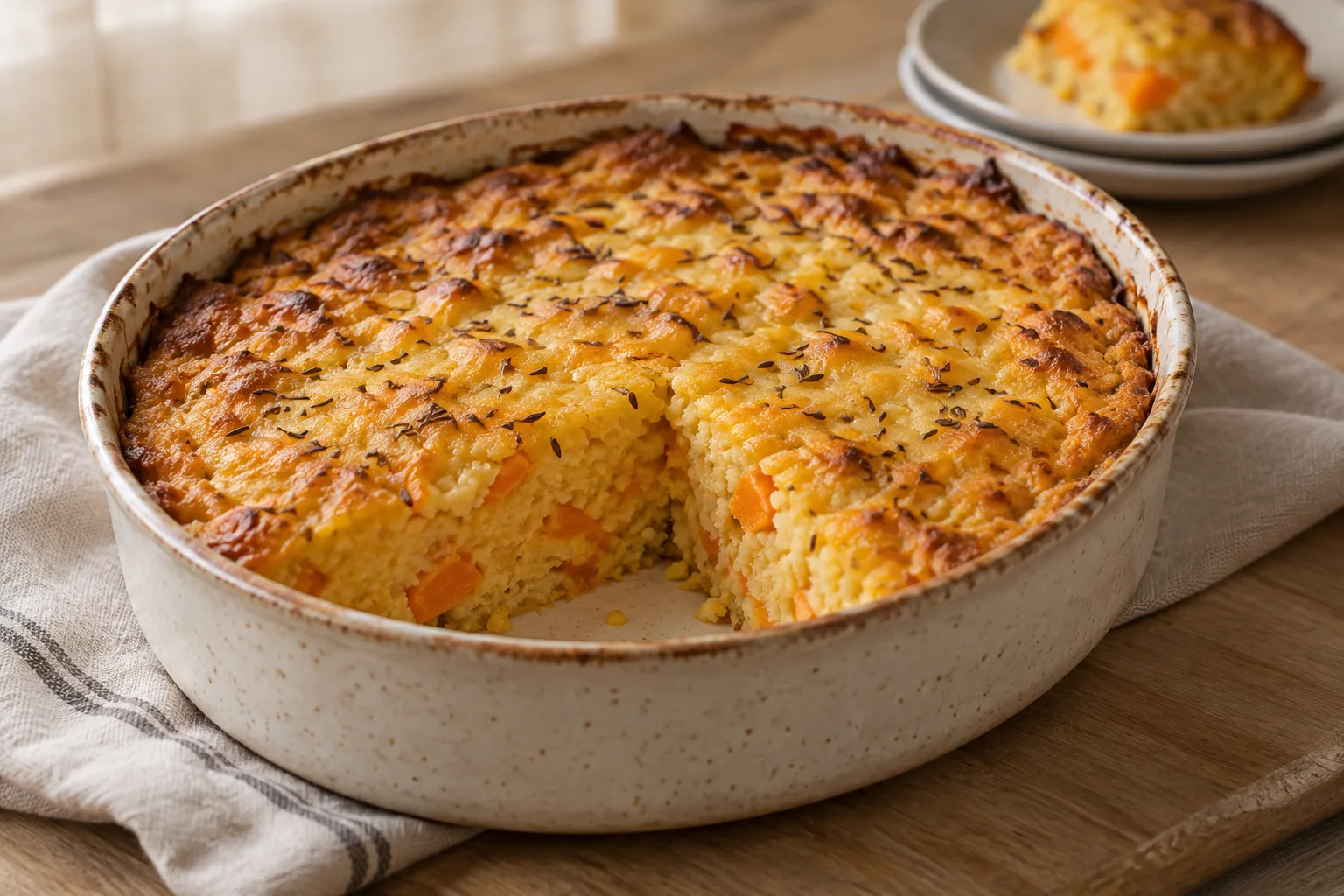
Kumara is a name used for sweet potato, also known in some places as yam or camote, though it is botanically distinct from both true yams and ordinary potatoes. It is the edible root of Ipomoea batatas. Skin and flesh may vary in color, from pale shades to orange, red, or purple, and varieties can differ in size and sweetness. Fresh kumara is usually sold whole and uncooked. Its skin can be left on during cooking if you want a different texture. The firm, starchy root can be cut, cooked, and served as a side or included in larger dishes. The name alone does not specify a particular color or sweetness level, so choose by the variety and the appearance of the individual root rather than expecting all kumara to look or taste alike.
When to use it
Use kumara when you want a substantial root vegetable with natural sweetness, either as a side or as part of a larger dish. Chunks can go into soups and stews; roasted pieces can top a salad or accompany meat. It can also be prepared as a snack, including chips or fries. Color and sweetness differ among varieties, so select a flesh color that suits the dish without assuming every root tastes equally sweet. Frozen or canned sweet potato may be useful in recipes when fresh roots are unavailable. Its different forms and cooking methods make it suitable for both simple sides and mixed dishes.
How to use it
Before preparation, rinse the root under cool running water and scrub the skin with a vegetable brush if needed. Peeling is optional: leave the skin on for a different texture, or peel and cut the root into chunks or slices. Bake it whole, roast pieces, boil or steam it, microwave it, sauté it, fry it, or grill it. Check the texture as it cooks and stop when it is tender enough for the intended dish. Combine cooked pieces with other vegetables, fruit, or meat, or add them to soups, stews, and salads. For a straightforward side, cut the root into cubes and roast or cook them on the stovetop. Wash hands and utensils after handling uncooked produce, and refrigerate cooked leftovers promptly.
Flavour and texture
Kumara generally has a sweet flavor and a firm, starchy texture when raw. Sweetness and flesh color vary by variety. Once cooked, it can become tender; leaving the skin on gives the finished dish a different texture.
How to choose it
Choose firm, small-to-medium roots with smooth, even-colored skin. Avoid roots with cracks, bruises, soft spots, or sprouts. Skin and flesh colors vary among sweet potato varieties, so a different color alone does not mean the root is poor quality.
Storage
Store uncooked kumara in a cool, dry, dark, well-ventilated place. Do not refrigerate it raw: refrigeration can harden the center and change the flavor. Properly stored roots can keep for several weeks. Refrigerate cooked leftovers promptly; the cited extension guidance gives four to five days as a storage period for cooked sweet potatoes.
Substitutions
Frozen or canned sweet potato can stand in for fresh kumara in many cooked preparations. Another sweet potato variety is also an option, though flesh color and sweetness may differ. Adapt the cut and cooking method to the recipe, and do not assume ordinary potato or true yam is the same ingredient.
Common mistakes
Do not confuse sweet potato with ordinary potato or true yam; they are different foods. Avoid refrigerating the raw root, buying roots with soft or damaged areas, or expecting every variety to have identical color and sweetness. If baking a whole root, pierce its skin to let steam escape.
Safety and allergens
Rinse the root under running water and scrub its skin before cutting or cooking. Refrigerate cooked leftovers within two hours, and follow local food-safety guidance.
Culinary uses
- starchy vegetable side
- ingredient for soups, stews, salads, and snacks
Recommended techniques
- bake, roast, or grill
- boil, steam, microwave, or sauté
Pairs well with
- meat
- other vegetables and fruit
Frequently asked questions
Is kumara the same as sweet potato?
Kumara is a name used for sweet potato, the edible root of Ipomoea batatas.
Do I have to peel kumara?
No. You can cook it with the skin on or peel it, depending on the texture you want.
How should I store raw kumara?
Keep it in a cool, dry, dark, well-ventilated place and avoid refrigerating it raw.
Ingredient allergens
Allergen listThere are no verified associations for these ingredients yet.
Estimated nutrition
- Fat
- 5.51 g
- Saturates
- 0.47 g
- Carbohydrate
- 7.76 g
- Sugars
- 0.37 g
- Fibre
- 8.9 g
- Protein
- 6.17 g
- Salt
- 1.14 g
Sources and review
Automatically researched, cross-checked and validated content. Sources consulted:
- Client Challenge doi.org/10.2307/jj.27939689.16
- Arroz - Wikipedia, la enciclopedia libre es.wikipedia.org/wiki/Arroz
- Sweet Potato Selection, Storage, and Prep Tips | UNL Food | Nebraska food.unl.edu/article/healthy-bites/sweet-potato-selection-storage-and-prep-tips/
- Holiday Hors D'oeuvres with Chef Richard Ruben | Institute of Culinary Education www.ice.edu/blog/holiday-hors-doeuvres-with-chef-richard-ruben
- HappyHealthy Fact Sheet: Sweet Potatoes | Mississippi State University Extension Service extension.msstate.edu/publications/happyhealthy-fact-sheet-sweet-potatoes
- Postharvest Handling of Sweetpotatoes | NC State Extension Publications content.ces.ncsu.edu/postharvest-handling-of-sweetpotatoes
- Comité Científico aesan.gob.es/dam/jcr:a7c4e553-46f5-4def-9ede-b6d1e19b3948/comite_cientifico_42.pdf
- ¡Asegurándonos de que no eres un robot! voljournals.utk.edu/cgi/viewcontent.cgi?article=8792&context=utk_gradthes
- Sweet Potato Pie jimcrowmuseum.ferris.edu/question/2026/june2026.htm
- sweet potato - FoodLink - Purdue Extension extension.purdue.edu/foodlink/food.php?food=sweet%20potato
- Kumara Chips - Receta Tradicional de Nueva Zelanda | 196 flavors www.196flavors.com/es/nueva-zelanda-kumara-chips/?srsltid=AYCX9vLxK9Pn3AmvRSIHQ5xYfv99k5Oeyy…
- Kumara Superfoods | Landing page nacional.kumarafood.com/superfoods-de-calidad/
- Cocina Nikkei: qué es, cuál es su origen y las 3 recetas más saludables para añadir a tu dieta www.huleymantel.com/trucos/cocina-nikkei-es-cual-es-su-origen_103614_102.html
- kumara | Tesauro Regional Patrimonial www.tesauroregional.cl/terminos/543