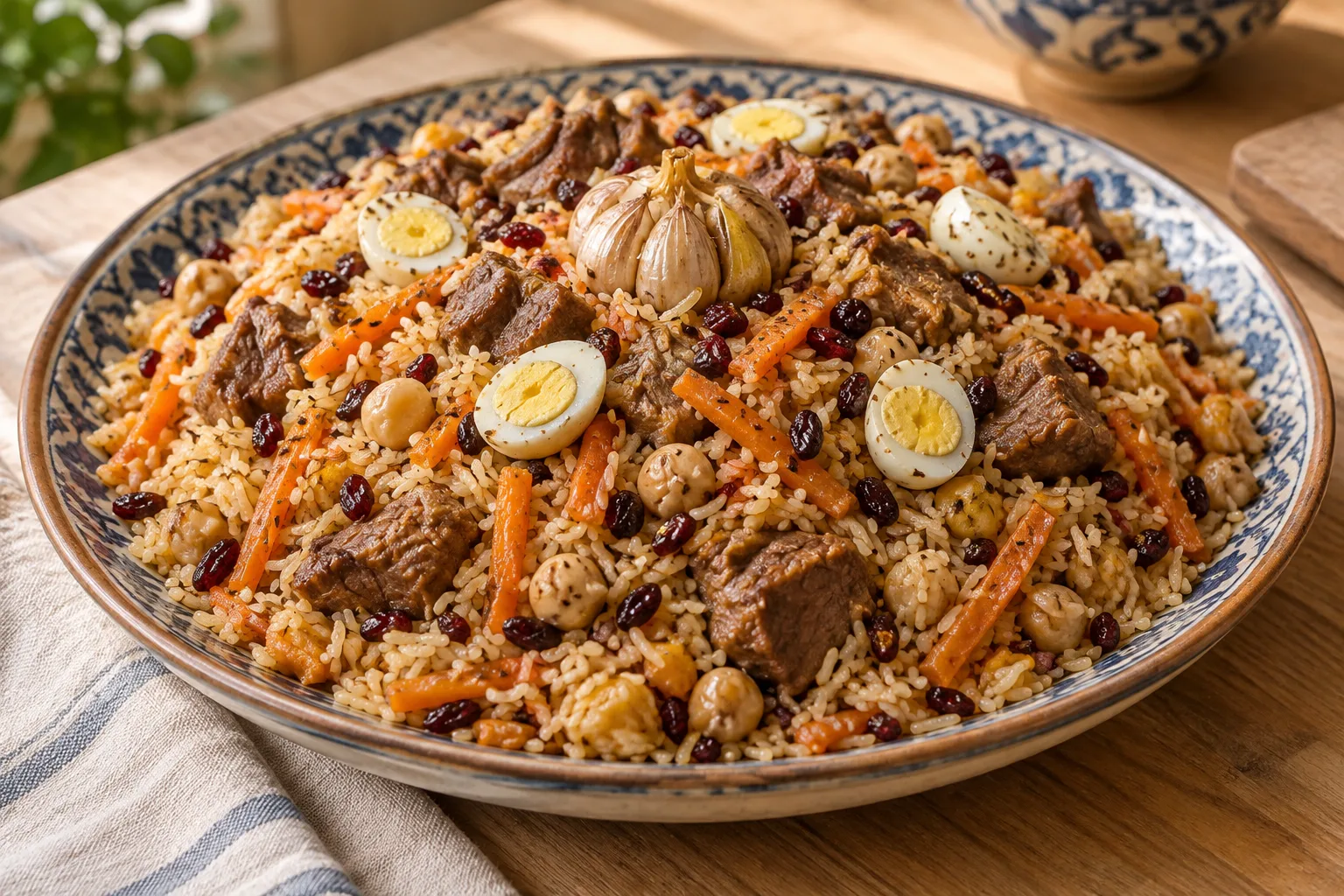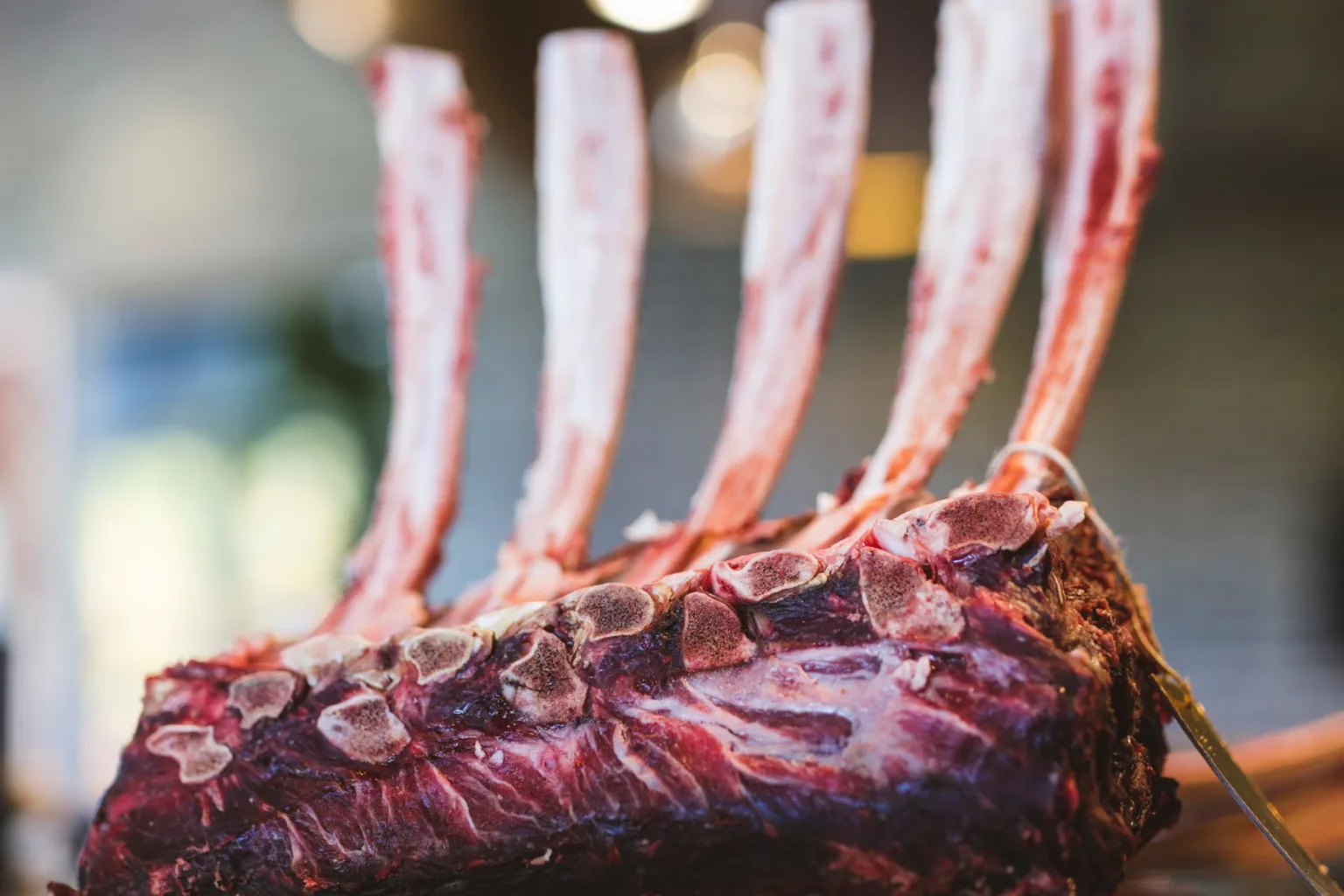
- Category
- Meat
- State
- Fresh
- Usual unit
- kg
What it is
This profile covers two possible ingredients that may appear as alternatives in a recipe or shopping list: lamb and beef. They are distinct products with different names and culinary characteristics. Labels and local naming conventions can vary, so check the package when identifying the exact meat matters. Flavor, texture and cooking suitability depend on the cut and preparation. Either option can serve as the main protein in a meal, but a recipe written for one may need adjustment when you use the other. Consider the meat, cut and intended cooking method before choosing or substituting it.
When to use it
Choose lamb or beef as a main protein for a roast, grilled or broiled dish, or stew. For long cooking in liquid, select a cut identified as suitable for stewing; for roasting or quick cooking, choose a cut indicated for that method. The cut and visible fat can affect the finished dish. If a recipe specifically calls for lamb or beef, keep that choice when its distinctive flavor matters. A substitution may work in some stews, but it can change the character of the meal and should not be assumed to produce an identical result.
How to use it
Check the label to confirm whether you have lamb or beef and identify the cut; ask the seller if the wording is unclear. For roasting or grilling, choose a piece intended for that method and pair it with flavors such as garlic, onion or herbs. For a stew, cut the meat into reasonably even pieces and cook it with liquid and vegetables until the desired texture is reached. Cooking time depends on the cut, piece size and method, so there is no single time that applies to both meats in every recipe. If substituting one for the other, consider those factors and check the dish as it cooks rather than relying blindly on the original timing.
Flavour and texture
Flavor and texture vary with the cut and preparation. Lamb can have a distinctive, pronounced flavor; beef also varies considerably from one cut to another. Texture ranges from tender to firm, and visible fat is not consistent across all pieces. Cooking changes the experience: grilling develops browned notes, while a slow stew brings the meat together with the juices and aromas of its other ingredients. Do not assume that a lamb cut and a beef cut will taste alike or respond identically to heat.
How to choose it
Read the label to identify the meat, cut and any suggested use; lamb and beef are not equivalent terms. Choose a cut suited to your cooking method, and ask the butcher or seller if you are unsure which piece to use. Check the package and follow its directions. Do not choose by a recipe's generic name alone: the meat and cut can affect flavor, texture and the final result.
Storage
Follow the package directions and date, and consult local official food-safety guidance if instructions are unclear. Keep raw meat separate from ready-to-eat foods and other ingredients to reduce the risk of cross-contamination. Once a package is opened, follow the product instructions rather than assuming lamb and beef have the same storage life. If you are unsure about the condition of the meat or how it was stored, do not use it and seek official guidance.
Substitutions
Lamb and beef can be exchanged in some stews, but they are not identical substitutes: flavor and cut can change the dish. Choose a cut suited to the same cooking method and check the food as it cooks instead of assuming the original recipe timing will be exact. When a recipe depends on the distinctive character of one meat, use the meat specified.
Common mistakes
A common mistake is assuming that any lamb cut works just like any beef cut. Local meat names can also be misunderstood, so check what you have bought. Do not choose a cooking method based on the meat name alone; consider the cut and the seller's guidance. When swapping meats, do not assume the same flavor, texture or cooking time.
Safety and allergens
Handle and store meat according to the package directions and local official food-safety guidance. If you have concerns about its condition or storage, do not use it and seek official advice.
Culinary uses
- Main protein in a meal
- Ingredient for stews and braises
Recommended techniques
- Roasting
- Grilling or broiling
- Slow stewing
Pairs well with
- Onion, garlic and potatoes
- Herbs such as rosemary or thyme
Frequently asked questions
Are lamb and beef the same meat?
No. They are distinct meat options, and their cuts and flavors are not identical.
Can I use beef instead of lamb in a stew?
In some stews, yes, if you choose a cut suitable for that method. Flavor and texture may change, so the result will not necessarily be the same.
How do I choose a cut?
Match the cut to the cooking method and check the label or ask the seller if you are unsure.
Ingredient allergens
Allergen listThere are no verified associations for these ingredients yet.
Sources and review
Automatically researched, cross-checked and validated content. Sources consulted:
- The Essential Glossary of Cooking Terms for the Culinary Arts - Escoffier www.escoffier.edu/blog/culinary-arts/the-essential-glossary-of-cooking-terms-for-the-culinar…
- Nutrition After Your Transplant - Health Online healthonline.washington.edu/sites/default/files/record_pdfs/Nutrition-After-Your-Transplant-…
- Aplicaciones de la Biotecnología en Seguridad Alimentaria aesan.gob.es/dam/jcr:2eecb52a-e252-4339-b93a-db3e3c7faab6/biotecnologia.pdf
- Comprobando su navegador doi.org/10.31428/10317/10619
- Bloque 1: ¿Qué es un dato de carácter personal? [Vídeo] doi.org/10.6035/ppd.2023.1
- El cordero, base de nuestra cultura, gastronomía y economía | Cultura www.restaurantecain.es/cultura/cordero-gastronomia
- Project MUSE -- Verification required! muse.jhu.edu/article/968749
- Cordero: la tradicional carne de primavera - Gastroactitud. Pasión por la comida www.gastroactitud.com/pista/cordero-la-tradicional-carne-de-primavera/
- Para la ciudadanía www.aesan.gob.es/para-la-ciudadania
- Cordero, plato principal www.google.com/goto?url=CAESbQHrOzAVWUB--oTikWNvMNh91uUj7QXpY7uVdtrzlOU4XzdSoiXSYG5oOnET1os0…
- Figuig: más que una isla en el desierto. Notas de campo en un oasis entre Marruecos y Argelia | OpenAlex openalex.org/W329042528
- Estofado - Wikipedia, la enciclopedia libre es.wikipedia.org/wiki/Estofado
- Guía de maridaje para combinar carnes y vinos 🥩 | 2024 vallesdelesla.com/blog/guia-de-maridaje-para-combinar-carnes-y-vinos/?srsltid=AYCX9vIHdO4zCk…
- Maridajes perfectos para el cordero: vinos y consejos www.google.com/goto?url=CAESeQHrOzAVRr1AAFJIXofjNrZCbsnQX-if1kOZSBMXQ-YDDUfMdtOYDZR7kAqq7ecv…
- EL VINO EN LA COCINA. HISTORIA, TRADICIÓN Y ORIGINALIDAD | OpenAlex openalex.org/W1561740088