- Category
- Vegetables
- State
- Fresh
- Usual unit
- kg
What it is
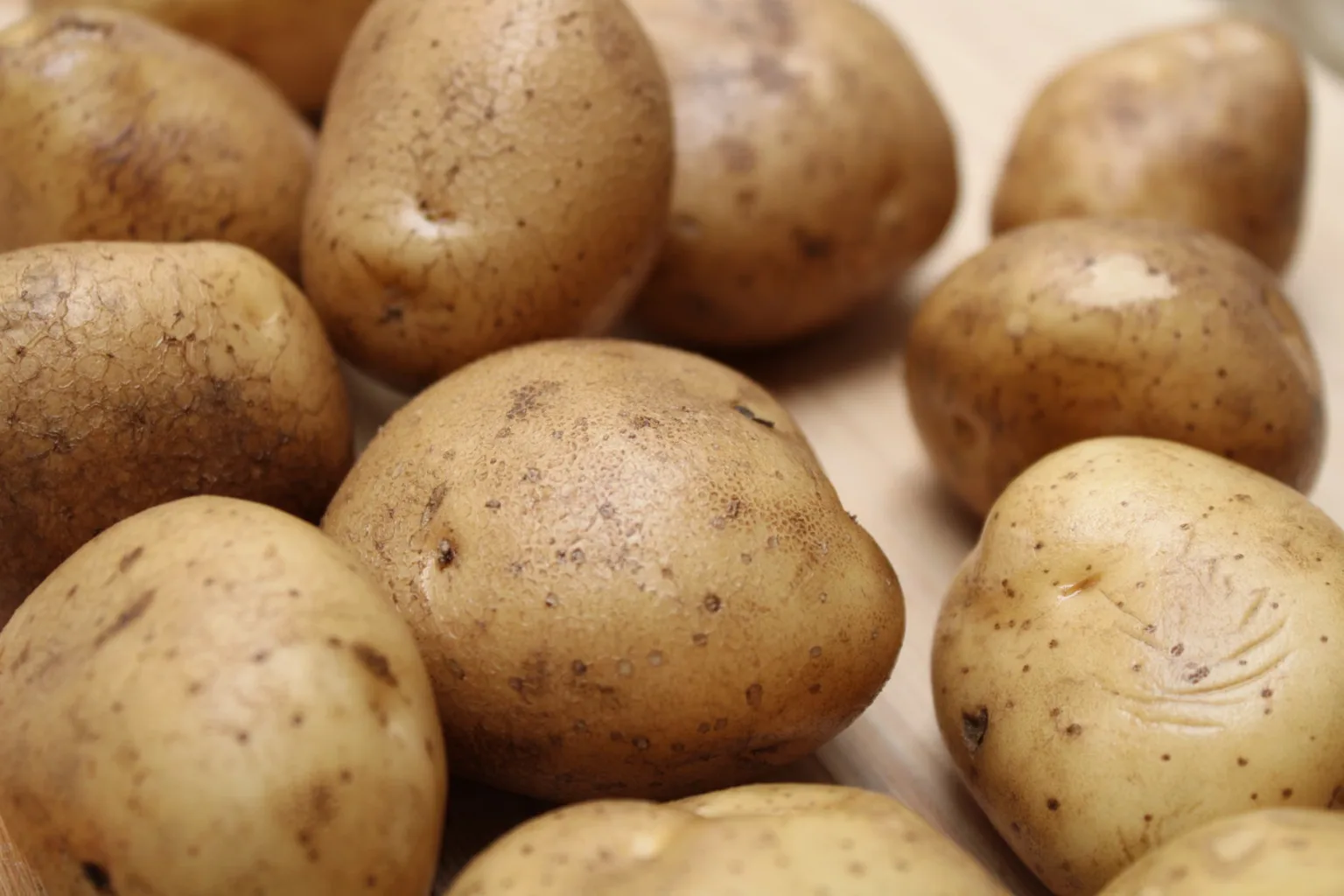
Large waxy potatoes are fresh tubers chosen for their firm texture, which tends to help pieces retain their shape during cooking. This makes them useful in dishes where whole chunks or recognizable slices are wanted, such as potato salads, boiled sides and steamed preparations. They can also be roasted, sautéed or added to stews, although floury varieties are often a better choice when a soft, breaking-down texture is needed to thicken a dish. “Large” describes size; it does not by itself identify a variety or guarantee a particular cooking result. If the packaging names a variety or suggests a use, that information helps with selection. Appearance and cooking behavior can differ across varieties within this broad category.
When to use it
Choose waxy potatoes when you want pieces to remain intact after cooking. They suit salads, boiled slices, side dishes and recipes where presentation depends on retaining the potato’s shape. They can also be steamed or served alongside meat or fish. If you want a very light mash, or potatoes that break down to thicken a stew, consider a flourier variety instead. Large size is convenient for cutting broad pieces, but it cannot replace choosing a texture that suits the dish.
How to use it
Wash the potatoes and cut them evenly when you want pieces to cook at a similar rate. Boil or steam until tender, then use them in salads, as a side or in slices. For a warm salad, combine them with spring onion and a vinaigrette; egg is another suitable addition. Cut them into wedges to roast with olive oil, garlic and rosemary, or dice and sauté them with garlic. In a stew, add evenly cut pieces and choose the cut according to whether you want them to hold their shape or contribute body to the liquid. Match the method to the desired result, and do not assume that size alone determines cooking time: cut and preparation also matter.
Flavour and texture
Their most useful feature is their firm flesh: the pieces tend to stay intact and hold their shape during cooking, making these potatoes suitable for salads, slices and side dishes. Compared with floury potatoes, they are less prone to breaking apart. Large potatoes make it convenient to cut broad pieces, but shape, skin color and flesh appearance can vary by variety. The available information chiefly describes how firm potatoes behave in cooking, rather than establishing one flavor profile for every waxy potato.
How to choose it
Look for whole potatoes without obvious damage, and check whether the packaging names the variety or identifies them as suitable for boiling. For salads and dishes where pieces should hold their shape, prioritize a “waxy” or “boiling” description over size. Large potatoes are convenient for broad slices or wedges, but a stated cooking use is a more direct guide than appearance alone. Specific characteristics vary by variety; do not infer the cooking result only from skin color.
Storage
Keep potatoes in a cool, dark, dry and ventilated place, away from direct light; a suitable pantry can work. The available information advises against routine refrigerator storage for potatoes, as cold can affect flavor and browning during frying. Check them occasionally and remove any that are clearly deteriorated so they do not affect the rest. Avoid storing them in a damp, sealed container without airflow. These tips are for fresh potatoes and do not replace any specific instructions on the package.
Substitutions
For a salad, boiled side or sliced preparation, substitute another variety described as waxy or suitable for boiling. If texture is not stated, the package’s suggested use can help guide the choice. A floury variety may change the result: it breaks down more readily and is better suited to thickening a stew or making a soft mash. Size can be adjusted by cutting, but texture matters more when you want the pieces to remain intact.
Common mistakes
Do not assume every large potato is waxy, or that size tells you how it will behave when cooked. Another common mismatch is using a floury potato for a salad that needs intact pieces, or expecting a waxy potato to break down like a floury one in mash. Cut pieces evenly when you want consistent cooking, and choose by the texture you want in the finished dish rather than appearance alone.
Safety and allergens
Handle them as fresh produce: wash before cutting and cooking, and discard potatoes that are clearly spoiled. Follow any storage or preparation directions on the package.
Culinary uses
- Guarnición
- Base para ensaladas y guisos
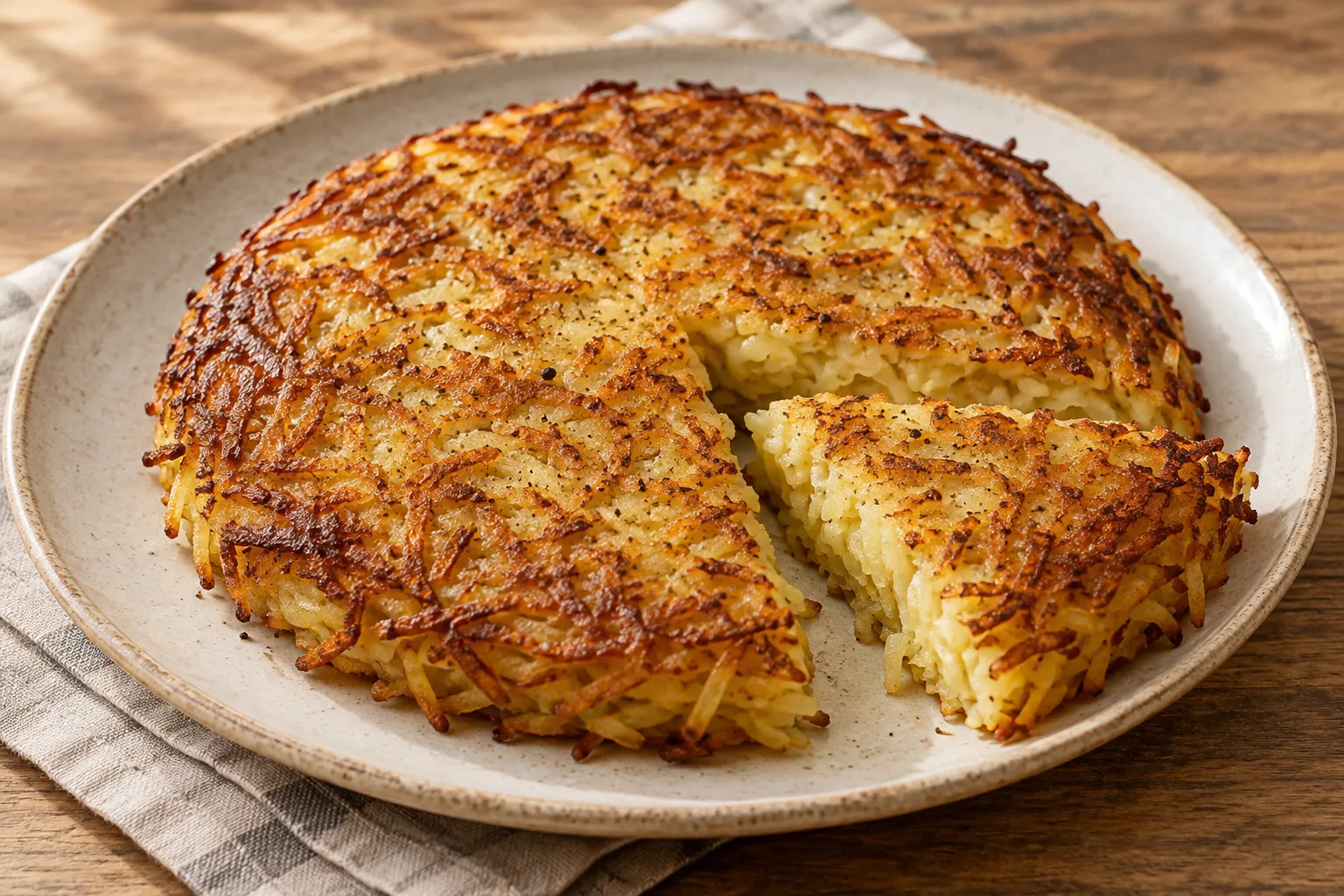
- Ingrediente principal en tortillas y gratinados
Recommended techniques
- Hervir
- Cocinar al vapor
- Asar
- Saltear
Pairs well with
- Ajo y aceite de oliva
- Romero
- Cebolleta, huevo y vinagreta
- Carne o pescado
Frequently asked questions
What dishes suit large waxy potatoes?
They work well in salads, boiled slices, side dishes and steamed preparations because they tend to hold their shape. They can also be roasted or sautéed.
Can I use them for mash?
Yes, though they are not the most direct choice for a very soft, light mash. Floury potatoes break down more readily, while waxy potatoes tend to retain more structure.
Does a large size make them better for every recipe?
No. Large size is useful for broad cuts, but texture and the suggested use on the package are better guides to choosing potatoes for a dish.
Ingredient allergens
Allergen listThere are no verified associations for these ingredients yet.
Sources and review
Automatically researched, cross-checked and validated content. Sources consulted:
- Ingredientes para Recetas de Salsa (Spanish) - National Center for Home Food Preservation nchfp.uga.edu/how/can/canning-salsa/ingredients-for-salsa-recipes-spanish/
- ¿Por qué la muerte es origen de miedos y tabúes? doi.org/10.64628/aao.fccyk3qj3
- The Essential Glossary of Cooking Terms for the Culinary Arts - Escoffier www.escoffier.edu/blog/culinary-arts/the-essential-glossary-of-cooking-terms-for-the-culinar…
- Nutrition After Your Transplant - Health Online healthonline.washington.edu/sites/default/files/record_pdfs/Nutrition-After-Your-Transplant-…
- ¿Cuántos tipos de patata existen? Nombres y usos fruteriasilvestre.com/cuantos-tipos-de-patata-existen/
- Glimpses of an 18th century Colonial Kitchen in Manila archium.ateneo.edu/cgi/viewcontent.cgi?article=1610&context=kk
- vegetarianism in a meat landscape a case study of ... etda.libraries.psu.edu/files/final_submissions/8955
- directrices del grupo de trabajo electrónico “aditivos en derivados de www.aesan.gob.es/dam/jcr:61b6b064-2831-4aaa-b068-2e63b9c9215d/trabajo_electronico.pdf
- Transnational identity, food and community dr.lib.iastate.edu/bitstreams/89a09b17-bb45-4390-a97d-4319ca795535/download
- Patatas: variedades, formas de cocinarlas y usos en la cocina | masymas supermercados www.supermasymas.com/blog/patatas-variedades-formas-de-cocinarlas-y-usos-en-la-cocina/
- ▷ Variedades de patatas | Características y usos en cocina ingenieriademenu.com/variedades-de-patatas/