- Category
- Fruit
- State
- Liquid
- Usual unit
- teaspoon
What it is
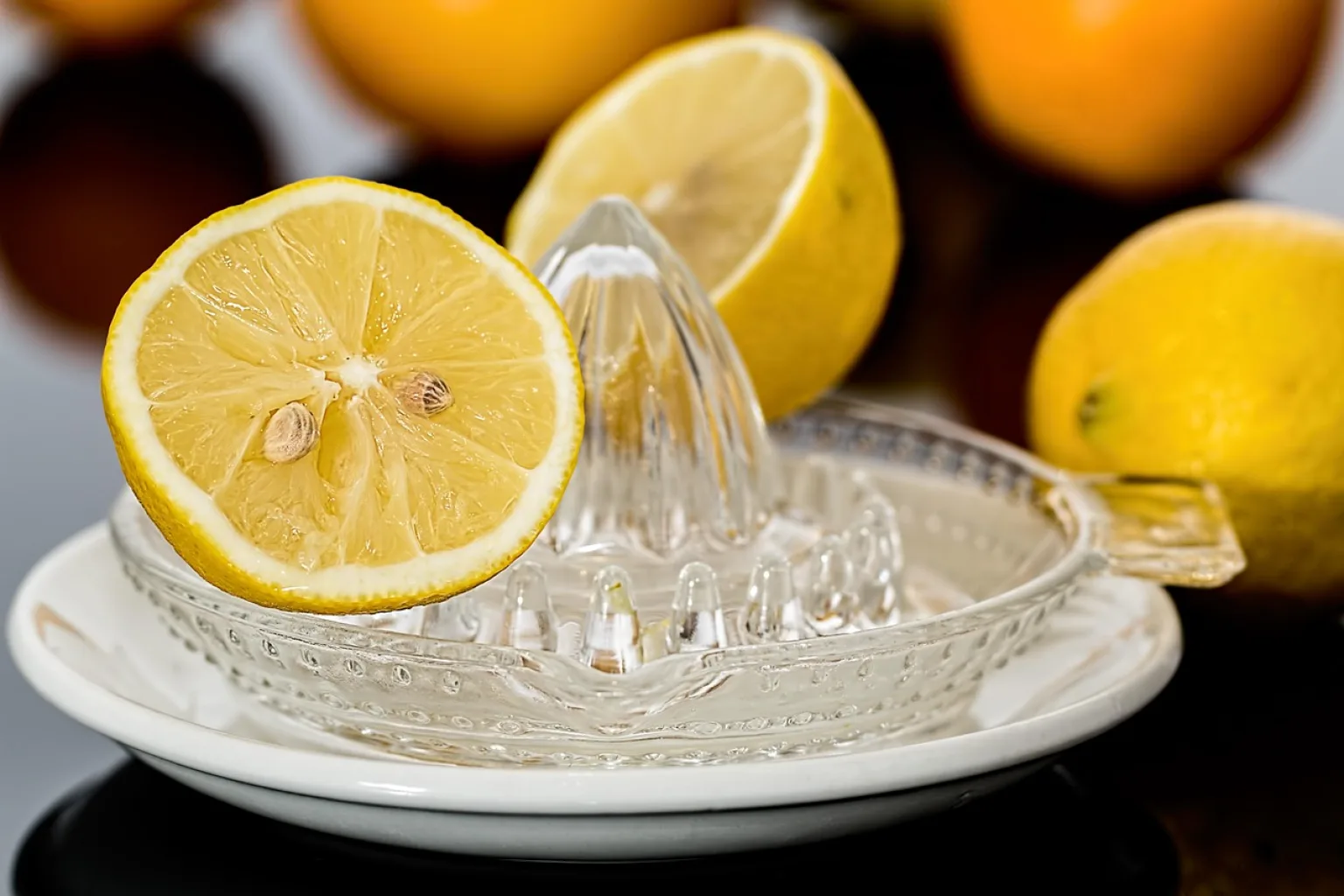
Lemon juice is the liquid extracted by squeezing the flesh of a lemon. It can be made at home shortly before use or bought in a packaged form. Commercial products may be pure juice, juice made from concentrate, or lemonade-style drinks that contain water and sugar or sweeteners. Lemon juice is not the same as lime juice, although regional naming and recipes can sometimes cause confusion. In cooking, it is mainly an ingredient and seasoning: small amounts add brightness, balance sweet or rich flavors, and bring a fresh citrus aroma. Juice does not include the grated peel, which contributes a different aroma and texture.
When to use it
Use lemon juice when a dish needs acidity, freshness or contrast with sweet, rich or assertive flavors. A little can finish salads, vinaigrettes, fish, seafood and other savory dishes, and it can be included in marinades. It also adds a citrus note to drinks such as water or tea and can balance the sweetness of desserts. Add it gradually and taste as you go: the acidity differs from fruit to fruit, and too much can overwhelm other flavors. For a fresher aroma, squeeze the lemon close to serving or cooking time.
How to use it
Cut the lemon and squeeze it by hand or with a clean juicer; remove any seeds before adding the juice. Stir it in a little at a time and taste the dish to adjust its acidity. Combine it with oil and other seasonings for salad dressing, use it in marinades, or add a final squeeze to fish, seafood or meat dishes. It can also be added to water, tea and other drinks, or used to balance the sweetness of cakes and other desserts. In some recipes, a few drops on cut fruit or vegetables help reduce browning from exposure to air. Lemon juice is used in ceviche, but that culinary use should not be mistaken for a food-safety guarantee for raw ingredients: follow official food-safety guidance for the dish.
Flavour and texture
Lemon juice tastes distinctly tart and citrusy, with a fresh aroma that can vary with the lemon and its ripeness. Freshly squeezed juice is liquid and may contain some pulp or seeds, while filtered products are usually more uniform. The acidity is not identical in every lemon, so taste and adjust the amount as you cook. Grated zest brings aromatic notes from the peel, but it is not an exact replacement for juice: it has a different texture and does not provide the same acidic effect.
How to choose it
Buy whole lemons when you want freshly squeezed juice, and squeeze them when needed. For a packaged product, read the product name and ingredients: it may be pure juice, juice made from concentrate, or a lemonade-style drink containing water and sugars or sweeteners. Choose according to the recipe, because a sweetened drink will not behave like pure juice in a dressing or marinade. Follow the storage directions on the label for the specific product.
Storage
For the freshest aroma, squeeze lemons close to the time you plan to use the juice. One source advises placing a leftover lemon half cut-side down on a clean plate, but does not establish a verified storage period for this method. For packaged juice, follow the label instructions for that particular product. Do not assume all commercial and freshly squeezed juices keep for the same length of time: processing and packaging can differ.
Substitutions
In some dressings, vinegar can replace lemon juice as the acidic ingredient, but the flavor will be different; start with a small amount and adjust after tasting. Freshly squeezed juice can stand in for a commercial pure-juice product when you have lemons. Lemonade and other lemon drinks often contain water and sweeteners, so they are not direct substitutes in savory recipes. Lime is also a distinct citrus fruit and can change the flavor profile.
Common mistakes
Do not confuse pure lemon juice with lemonade or another sweetened drink: their ingredients and effects in a recipe differ. Avoid adding a large amount all at once, because the acidity can dominate and varies between lemons. Do not treat zest as an identical substitute for juice, or assume that using acidic juice in a raw dish is the same as following food-safety guidance for cooking those ingredients.
Safety and allergens
Use clean hands, a clean juicer and clean containers when preparing fresh juice. For dishes served raw, such as ceviche, follow official food-safety guidance; citrus acidity alone should not be treated as a safety guarantee. Follow the package storage instructions for packaged juice.
Culinary uses
- Acidic seasoning and finishing juice
- Ingredient for drinks, dressings, marinades and desserts
Recommended techniques
- Squeeze fresh lemon juice
- Whisk into dressings or marinades
- Add to drinks or recipes near the end for a fresh citrus note
Pairs well with
- Salads and vinaigrettes
- Fish and seafood
- Meat dishes
- Water, tea and desserts
Frequently asked questions
Are lemon juice and lime juice the same?
No. They come from different citrus fruits, although regional names can cause confusion. Their flavor and acidity can vary, so swapping one for the other may change a dish.
Can packaged juice replace freshly squeezed juice?
Yes, if it is pure juice or otherwise suitable for the recipe. Check the label: lemonade or another sweetened drink is not equivalent to pure juice in a savory dish.
Can lemon juice replace vinegar?
It can replace vinegar as the acidic ingredient in some dressings, though the flavor will differ. Add a little at a time and adjust after tasting.
Ingredient allergens
Allergen listThere are no verified associations for these ingredients yet.
Estimated nutrition
- Fat
- 0 g
- Saturates
- 0 g
- Carbohydrate
- 0 g
- Sugars
- 0 g
- Protein
- 0 g
- Salt
- 0 g
Sources and review
Automatically researched, cross-checked and validated content. Sources consulted:
- Zumo de limón: propiedades, beneficios, valor nutricional y recetas para usarlo en la cocina www.directoalpaladar.com/ingredientes-y-alimentos/zumo-limon-propiedades-beneficios-valor-nu…
- ¿Por qué la muerte es origen de miedos y tabúes? doi.org/10.64628/aao.fccyk3qj3
- The Essential Glossary of Cooking Terms for the Culinary Arts - Escoffier www.escoffier.edu/blog/culinary-arts/the-essential-glossary-of-cooking-terms-for-the-culinar…
- Jugo de limón - Wikipedia, la enciclopedia libre es.wikipedia.org/wiki/Jugo_de_lim%C3%B3n
- Sabores de nuestras tierras/recetas - 2024 | Agricultura y Recursos Naturales ucanr.edu/site/agricultura-y-recursos-naturales/sabores-de-nuestras-tierras-recetas-2024
- Nutrition After Your Transplant - Health Online healthonline.washington.edu/sites/default/files/record_pdfs/Nutrition-After-Your-Transplant-…
- EFNEP Hispanic Heritage Recipes | Community Nutrition | Extension/College of Agriculture, Health & Natural Resources | University of Connecticut communitynutrition.cahnr.uconn.edu/efnep-hispanic-heritage-recipes/
- Jams and jellies: Problems and solutions | Servicio de Extensión de OSU extension.oregonstate.edu/es/food/preservation/jams-jellies-problems-solutions
- El Rol Esencial del Limón en la Cocina Mexicana: Un Protagonista Indispensable www.chefyerika.com/post/el-rol-esencial-del-lim%C3%B3n-en-la-cocina-mexicana-un-protagonista…
- Vamos a Conservar Alimentos: Mermeladas, jaleas y compotas extension.psu.edu/vamos-a-conservar-alimentos-mermeladas-jaleas-y-compotas/
- Para la ciudadanía www.aesan.gob.es/para-la-ciudadania
- Salsa de Pepino | Dinner Tonight dinnertonight.tamu.edu/recipe/salsa-de-pepino/
- Tendencia de los ingredientes: polvo de limón que reemplaza el jugo de limón en fórmulas de productos - Bluegrass Ingredients bluegrassingredients.com/es/thinking/ingredient-trend-lemon-powder-replacing-lemon-juice-in-…