- Category
- Fruit
- State
- Liquid
- Usual unit
- ml
What it is
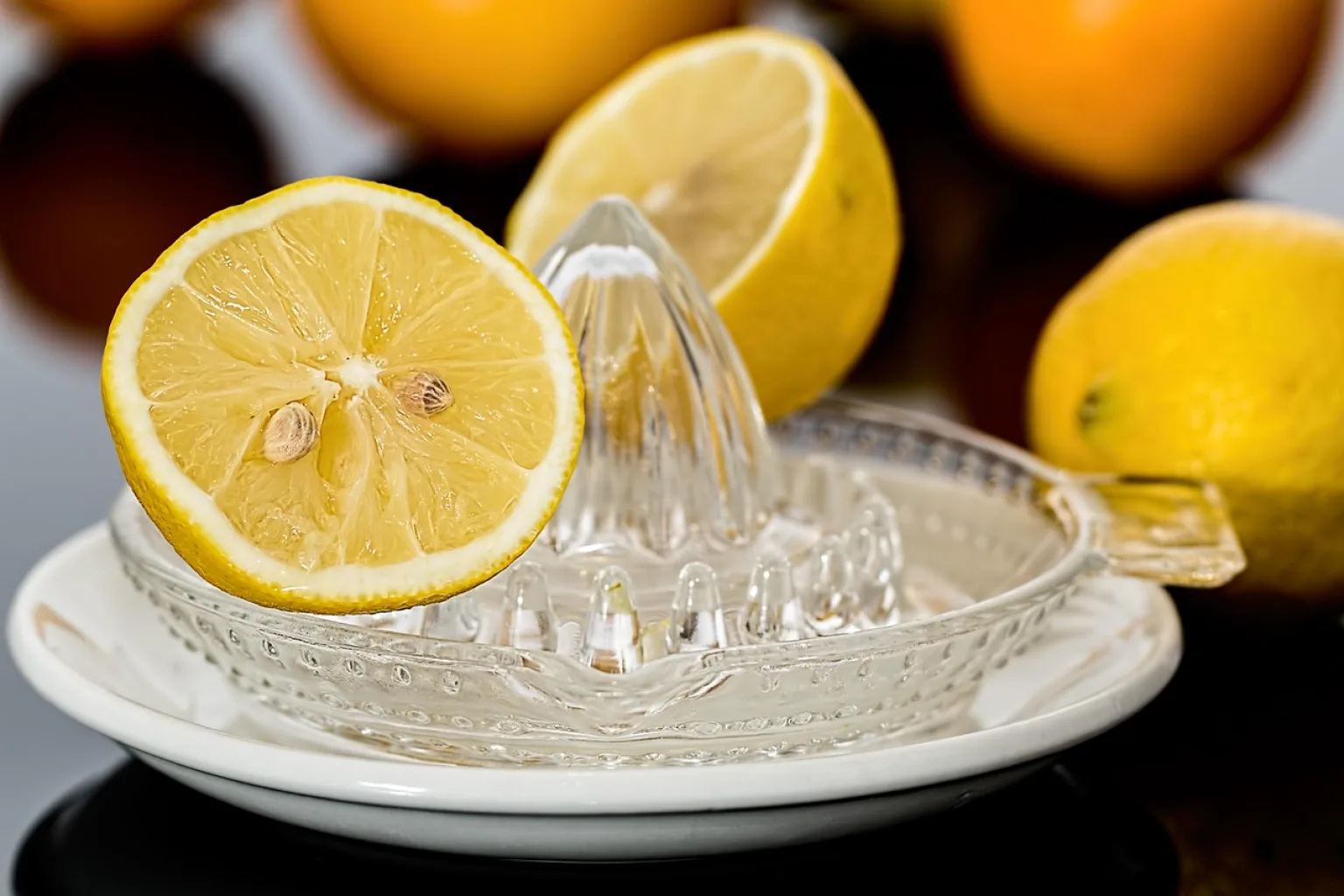
Lemon juice for batter is the acidic liquid squeezed from a lemon and added to a mixture before it is baked or cooked. In sweet recipes, it can bring freshness and a citrus note to cakes, biscuits, and other bakes; it is also used to flavor creams and desserts. Juice is not the same as zest: juice adds liquid and acidity, while zest contributes aroma from the peel. The suitable amount depends on the recipe, since juice affects both flavor balance and the mixture’s liquid ingredients. You can squeeze a fresh lemon for immediate use or choose a commercial lemon juice product when the recipe allows it.
When to use it
Use it when a recipe calls for citrus flavor, noticeable acidity, or a fresher note in the batter. It can suit cakes and biscuits, as well as some creams and desserts. Measure the amount specified: adding too much may dominate the flavor or change the balance of liquids. If a recipe does not include lemon juice, do not add it automatically; check that the preparation allows it and make adjustments only when the instructions permit variation.
How to use it
Squeeze the lemon and measure the juice before adding it, so you can control its acidity and aroma. Add it at the point specified by the recipe, usually with the wet ingredients or directly to the mixture. Stir until evenly distributed, and do not add more than directed unless the recipe allows you to adjust the flavor. Fresh juice can give cakes, biscuits, and creams a citrus character, but it does not automatically replace zest: zest contributes peel aroma without the same addition of acidic liquid. If using commercial juice, check that it is the kind of product the recipe calls for. In other preparations, lemon juice can also be used as a dressing or in a vinaigrette.
Flavour and texture
Its flavor is tart, bright, and distinctly citrusy; in a sweet batter it can add freshness and contrast without making the finished food taste strongly of lemon. Juice is liquid, so it adds moisture as well as flavor. The amount affects both acidity and the balance of the batter: use the recipe’s measure, and do not treat juice and zest as identical ingredients.
How to choose it
For control over flavor, buy fresh lemons and squeeze only the amount the recipe requires. Freshly squeezed juice can be used directly, and ready-to-use lemon products are also sold. Check the package to identify what you are buying and follow the recipe, since lemonade or a lemon-flavored drink is not necessarily equivalent to pure lemon juice. Choose a product suited to the preparation and measure it before adding it.
Storage
For batter, squeeze the lemon close to mixing time and use the amount needed. The available information does not establish a safe storage duration for fresh juice, so do not rely on an assumed time limit. If you use commercial juice, follow the storage instructions on its package. Store fresh lemons according to the usual directions for that product; taking a refrigerated lemon out a little before squeezing can make it easier to use.
Substitutions
Commercial lemon juice may work when the recipe allows it, but check that it is the right product rather than sweetened lemonade. Vinegar is used as an acidic alternative in some preparations, but its flavor is different and it is not a universal substitute in batter. Keep to the recipe’s stated amount or follow its substitution instructions: changing the liquid without adjusting the preparation may affect the result.
Common mistakes
Do not add lemon juice by eye or assume that more will improve the flavor: its acidity can overwhelm the batter. Do not confuse juice with zest, since they contribute different things and juice adds liquid. Avoid automatically substituting vinegar or lemonade; their flavors and compositions are not equivalent. If the recipe specifies an amount, follow it, particularly in preparations where the proportions matter for stability.
Safety and allergens
Use clean hands, a clean juicer, and clean utensils when preparing the juice. If using a commercial product, follow its package storage directions. The available information does not establish a storage duration for freshly squeezed juice.
Culinary uses
- Acidity and flavor in cake and biscuit batters
- Aromatic ingredient in sweet creams and desserts
- Flavor-balancing ingredient in savory preparations
Recommended techniques
- Squeeze fresh lemon and measure the juice before adding it to the batter
- Stir the juice into the wet ingredients or batter as directed by the recipe
- Add a small amount at a time when adjusting flavor
Pairs well with
- Cake and biscuit batters
- Pastry creams and other sweet preparations
- Apple, strawberry, orange, and other fruit preparations
Frequently asked questions
Can I use freshly squeezed lemon juice in batter?
Yes, when the recipe calls for it. Measure the juice and add it at the specified point to control acidity and liquid.
Can lemon juice replace lemon zest?
They are not equivalent: juice adds acidity and liquid, while zest adds aroma from the peel. Follow the recipe to determine which one is needed.
Can I replace lemon juice with vinegar?
Only if the recipe allows an acidic substitute. Vinegar has a different flavor and is not a universal replacement in batters.
Ingredient allergens
Allergen listThere are no verified associations for these ingredients yet.
Sources and review
Automatically researched, cross-checked and validated content. Sources consulted:
- Cómo sacarle el máximo partido al limón en la cocina www.hola.com/cocina/noticias/20220818215345/usos-limon-en-cocina/
- Zumo de limón: propiedades, beneficios, valor nutricional y recetas para usarlo en la cocina www.directoalpaladar.com/ingredientes-y-alimentos/zumo-limon-propiedades-beneficios-valor-nu…
- The Essential Glossary of Cooking Terms for the Culinary Arts - Escoffier www.escoffier.edu/blog/culinary-arts/the-essential-glossary-of-cooking-terms-for-the-culinar…
- Nutrition After Your Transplant - Health Online healthonline.washington.edu/sites/default/files/record_pdfs/Nutrition-After-Your-Transplant-…
- Vamos a Conservar Alimentos: Rellenos de fruta para tartas, tortas y pasteles extension.psu.edu/vamos-a-conservar-alimentos-rellenos-de-fruta-para-tartas-tortas-y-pastele…
- Appendix B: Recipes for Disease Prevention – Culinary Medicine opentextbooks.library.arizona.edu/culinarymedicine/back-matter/appendix-b-recipes/
- Repositorio Institucional de la Universidad de Lima - Estudio de prefactibilidad para la instalación de una planta productora de zumo de limón envasado para el mercado local doi.org/10.26439/ulima.tesis/10560
- Para la ciudadanía www.aesan.gob.es/para-la-ciudadania
- Recetas - Expanded Food and Nutrition Education Program efnep.tamu.edu/recipessp/
- Recipes | Servicio de Extensión de OSU extension.oregonstate.edu/es/food/recipes
- Cómo aprovechar al máximo un limón en la cocina | Consumer www.consumer.es/alimentacion/como-sacarle-partido-a-un-limon.html
- El limón, la fruta ácida que es una joya de la cocina y mejora todos los platos www.lavanguardia.com/magazine/buena-vida/20210902/7688987/limon-joya-cocina-mejora-todos-pla…