- Category
- Fruit
- State
- Liquid
- Usual unit
- ml
What it is
Lemon juice for syrup is the liquid squeezed from lemons and used as an acidic, aromatic ingredient in a sweet syrup. In baking, it can be combined with water and sugar or stirred into a sugar syrup that has already been prepared. Fresh juice can be strained to remove seeds and pulp when a smooth mixture is preferred. The final balance depends on the proportions of juice, water and sugar and on personal taste: more juice gives the syrup a sharper flavor and a more pronounced citrus aroma. This ingredient is treated here as a fruit liquid, rather than as a whole lemon.
When to use it
Use it when you want syrup for cakes to have a tart counterpoint and a clear lemon aroma. It works well for moistening cake layers before filling and can complement preparations featuring lemon, vanilla, berries or white chocolate. It can also flavor other citrus syrups. If the recipe calls for a neutral syrup, leave out the juice; if you add it, taste the mixture and balance its sweetness and acidity before brushing it onto cake.
How to use it
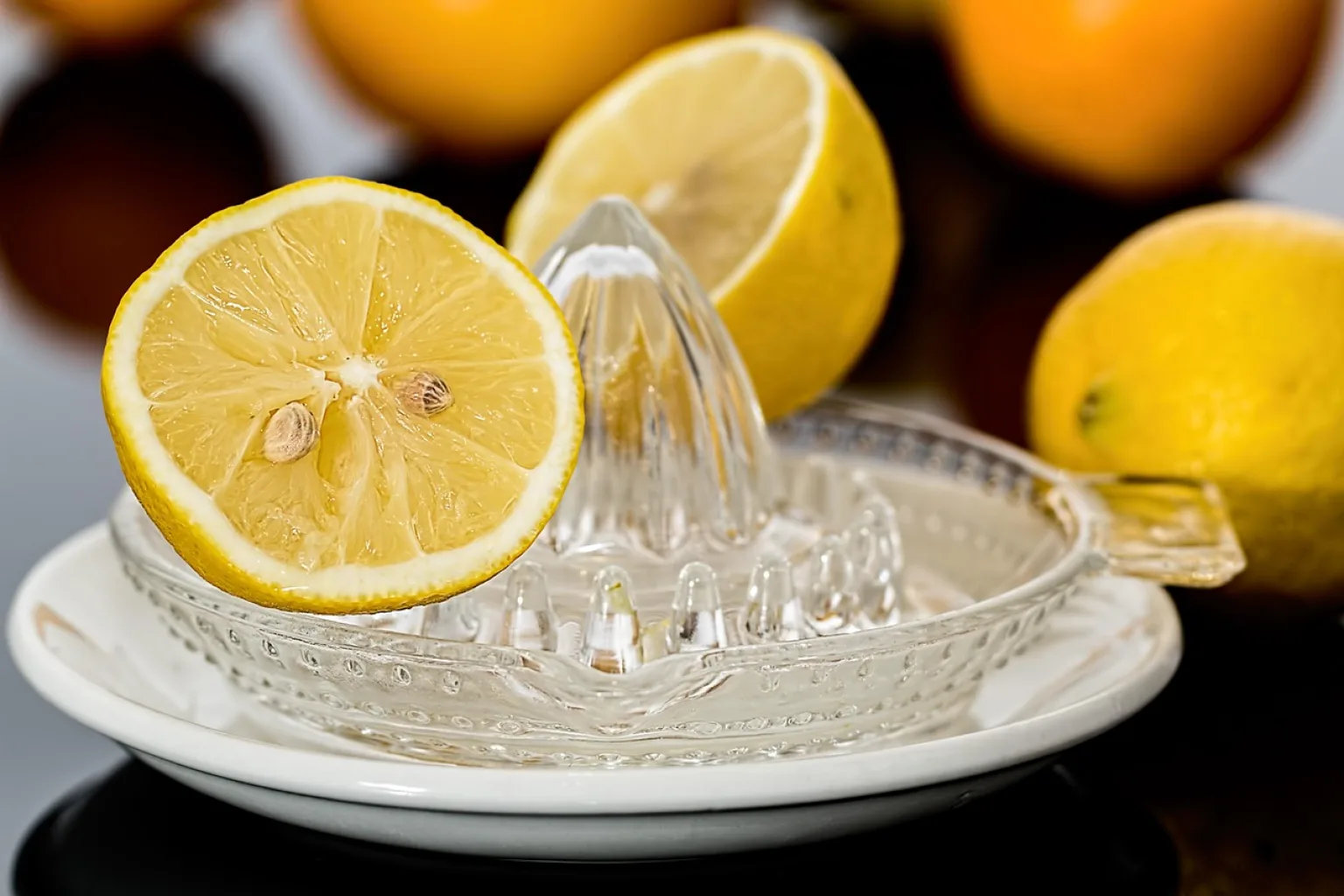
Squeeze the lemon and pass the juice through a fine strainer to remove seeds and, if you want a smooth texture, pulp. For lemon syrup made with prepared sugar syrup, let the syrup cool completely, then stir in water and juice until combined. Taste and adjust gradually: add water if it is too sweet or more juice if you want greater acidity. Use the syrup cold and apply it in small amounts with a pastry brush or by drizzling over the cut surfaces of cake layers. Let it absorb before adding filling, and avoid saturating the crumb.
Flavour and texture
Lemon juice has a tart citrus flavor and fresh aroma that balance a sweet syrup. Strained juice makes a smoother mixture without seeds; unstrained juice may retain some pulp. Mixed with water and sugar syrup, it produces a more fluid liquid than thick sugar syrup, although the proportions determine the final consistency and sweetness.
How to choose it
For fresh juice, choose lemons that are suitable for squeezing and have no visibly damaged areas. Distinguish freshly squeezed juice from bottled juice, as their aroma and composition may differ. If using a packaged product, check its label and choose one whose ingredients and flavor suit the recipe. Strain fresh juice if you want to keep seeds and particles out of the syrup.
Storage
If you are not using the juice or prepared syrup immediately, keep it in a clean, covered container in the refrigerator. For homemade syrup containing fresh juice, the recipe guidance supplied gives a period of up to one week; do not treat it as shelf-stable at room temperature. Follow any stricter storage directions on the product or in your recipe, and make an amount you can use in time.
Substitutions
Lime juice can replace lemon juice when you want similar citrus acidity, though the aroma will differ. Orange or grapefruit juice can also be used in citrus syrup, but each gives a different flavor and may taste less like lemon. Substitute gradually and taste before using: the change affects both the flavor and the balance of sweetness and acidity.
Common mistakes
Do not add juice without tasting the syrup, because different amounts can shift the balance between sweet and tart. Remove seeds if you want a smooth texture, and do not pour all the syrup over cake at once; apply it gradually and allow it to absorb. If the recipe calls for a cooled mixture, adding hot syrup instead may affect the preparation, so follow the method given.
Safety and allergens
Handle the juice with clean utensils and refrigerate syrup made with fresh juice. Do not assume acidity makes it safe to keep at room temperature; also follow the storage directions for the recipe or product.
Culinary uses
- Acidic flavoring for sugar syrup
- Moistening and flavoring cakes
Recommended techniques
- Freshly squeeze and strain
- Stir into cooled syrup
- Brush or drizzle over cut cake layers
Pairs well with
- Sugar syrup
- Cake and sponge
- Vanilla
- Berries
- White chocolate
Frequently asked questions
Should lemon juice be strained?
Strain it to remove seeds and make a smoother syrup. You can leave the pulp in if you prefer its texture.
When should lemon juice be added to syrup?
For the method that combines juice with prepared sugar syrup, cool the syrup first, then mix in the water and juice.
Can another citrus juice be used instead?
Yes. Lime, orange or grapefruit juice can be used, but each changes the flavor and balance of the syrup.
Ingredient allergens
Allergen listThere are no verified associations for these ingredients yet.
Sources and review
Automatically researched, cross-checked and validated content. Sources consulted:
- The Essential Glossary of Cooking Terms for the Culinary Arts - Escoffier www.escoffier.edu/blog/culinary-arts/the-essential-glossary-of-cooking-terms-for-the-culinar…
- Almíbar. Cómo hacer almíbar, tipos y consejos www.abc.es/recetasderechupete/almibar-como-hacer-almibar-tipos-y-consejos/29963/
- Healthy Eating Plan for Weight Management med.uc.edu/docs/default-source/mobility-study/healthy-eating-and-physical-activity-plan-(spa…
- Vamos a Conservar Alimentos: La Congelación de Frutas extension.psu.edu/vamos-a-conservar-alimentos-la-congelacion-de-frutas/
- Cómo hacer almíbar casero: la receta más fácil para postres y bebidas www.directoalpaladar.com/curso-de-cocina/como-hacer-almibar-casero-receta-basica-para-mojar-…
- Recetas en 1 minuto www.cordonbleu.edu/madrid/recetas-en-1-minuto/es
- Repositorio Institucional de la Universidad de Lima - Estudio de prefactibilidad para la instalación de una planta productora de zumo de limón envasado para el mercado local doi.org/10.26439/ulima.tesis/10560
- Preserving foods: berries | Servicio de Extensión de OSU extension.oregonstate.edu/es/food/preservation/preserving-foods-berries-sp-50-780
- Evolución del léxico culinario desde 1932 a 1972 | OpenAlex openalex.org/W2291578502
- - YouTube www.youtube.com/watch?v=LnoQmUayODI
- ALMÍBAR DE LIMON – El Fogón del Atlántico elfogondelatlantico.es/almibar-de-limon/
- El bizcocho de limón que heredarán tus hijos cooking.elmundo.es/recetas/receta-bizcocho-limon-hereden-hijos.html
- Receta de almíbar de limón para humedecer bizcochos - Yeners Way - Tutoriales de pasteles www.yenersway.com/es/recipes/lemon-soaking-syrup-recipe/