- Category
- Drinks
- State
- Liquid
- Usual unit
- ml
What it is
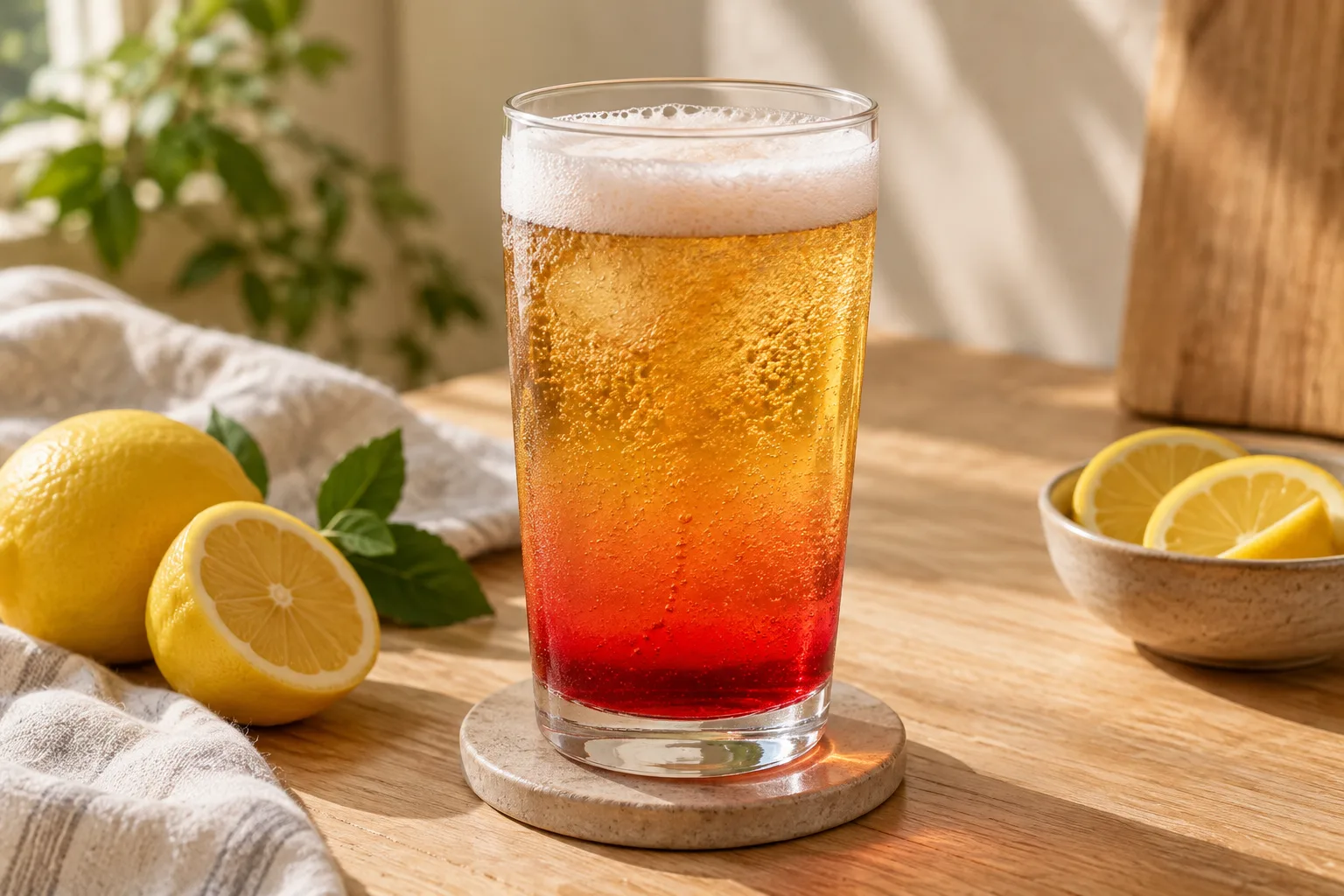
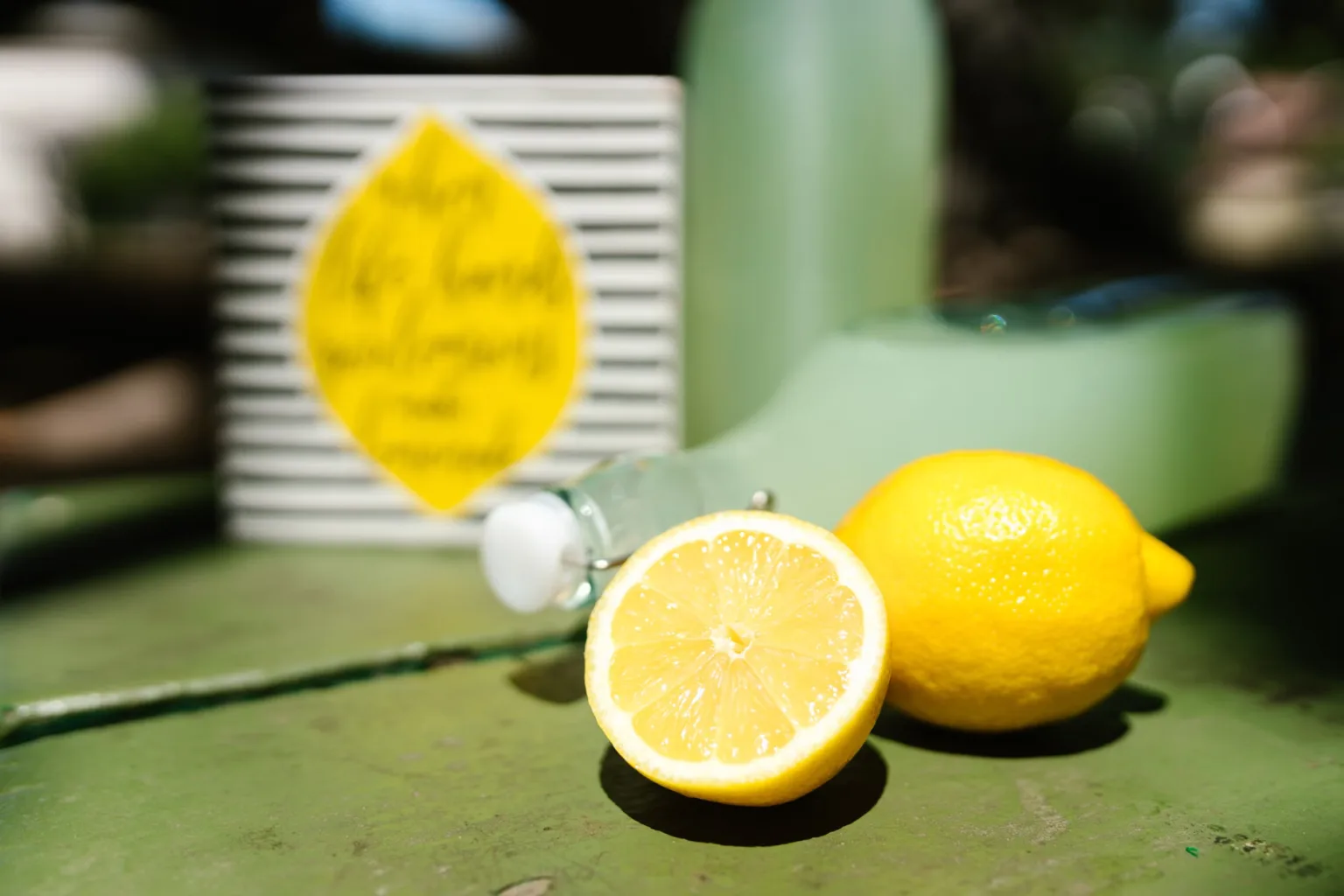
Lemonade is a drink whose characteristic flavor comes from lemon. A common homemade preparation combines lemon juice, water, and sugar; the proportions can be adjusted to taste. Other versions use sparkling or mineral water, additional fruit, or herbs. The name does not describe one fixed formula everywhere: some drinks called lemonade are carbonated and lemon-flavored, and regional preparations can use different ingredients. Check a recipe or product label when a particular composition matters. This profile mainly refers to a ready-to-serve lemon drink, rather than an undiluted concentrate.
When to use it
Serve lemonade when you want a cold, citrus-flavored drink with a meal, snack, or gathering. Its lemon intensity and sweetness are easy to adjust to suit the food and the people drinking it. It can also be a base for fruit variations, such as blackberry or strawberry lemonade, or for adding mint. For bubbles, make it with mineral water or add sparkling water. Keep in mind that products called lemonade can differ by market; check the label if you need to know whether it is carbonated or contains sweeteners or other ingredients.
How to use it
To make a simple lemonade, combine lemon juice, water, and sugar, then stir until the sugar dissolves; you can also shake the mixture in a suitable closed container. Add sugar gradually and taste before serving so you can adjust the sweetness. If you make a concentrate from lemon juice and sugar, dilute it with water when preparing the drink. Serve cold, with ice if you like. For variation, add blended or chopped fruit such as strawberries or blackberries, or add mint. You can also replace still water with mineral or sparkling water. Ready-made drinks and commercial products may have different formulations, so follow the product label and the recipe you are using.
Flavour and texture
Lemonade is usually citrusy and tart, balanced by the sweetness of sugar or another sweetener. Its intensity depends on the amounts of lemon juice and water. Still lemonade is a light liquid; lemonade made with sparkling water may have bubbles. Added fruit can bring other flavors and, if blended without straining, a less smooth texture.
How to choose it
Check the ingredient list if you want lemonade with a particular composition: products sold under this name can vary, and some are carbonated or contain sweeteners. Check whether you are buying a ready-to-drink beverage or a concentrate that needs dilution. For a homemade version, fresh lemons let you control the amount of juice and sweetness.
Storage
Keep prepared lemonade that is not being served covered in the refrigerator. For a packaged drink, follow its storage instructions, especially after opening. Homemade concentrate is different from diluted lemonade; store it according to a reliable recipe and refrigerate or freeze it when directed. There is no single storage duration that applies to every lemonade.
Substitutions
You can replace sugar with a sweetener such as stevia, sucralose, or aspartame, adjusting to taste because sweetness and results can vary. Mineral or sparkling water can replace still water and changes the drink’s texture. These substitutions do not make all commercial lemonades equivalent, so check the ingredients when a specific formulation matters.
Common mistakes
Do not assume every lemonade follows the same recipe: the name is also used for carbonated drinks and regional variations. Another common mistake is adding all the sugar before tasting; start with less and adjust. If you use a concentrate, do not serve it undiluted when the recipe calls for water.
Safety and allergens
Keep prepared portions that are not being served refrigerated, and follow the package directions for commercial products. Acidity can contribute to tooth enamel wear; an acidic drink may also be uncomfortable for people who experience reflux or heartburn.
Culinary uses
- Bebida refrescante para servir fría
- Base para variaciones con frutas o hierbas
Recommended techniques
- Mezclar o agitar el zumo de limón, el agua y el azúcar hasta disolver
- Preparar un concentrado y diluirlo con agua al servir
- Servir con hielo
Pairs well with
- Moras, como en la limonada de moras
- Fresas o menta
- Limón y agua con gas o mineral
Frequently asked questions
What is homemade lemonade usually made from?
A common version combines lemon juice, water, and sugar. Proportions vary, and some recipes include fruit or other ingredients.
Can lemonade be made with sparkling water?
Yes. Mineral or sparkling water can replace still water for a fizzy drink.
How should leftover lemonade be stored?
Keep it covered in the refrigerator. For packaged drinks, follow the label; there is no single storage period for every recipe.
Ingredient allergens
Allergen listThere are no verified associations for these ingredients yet.
Estimated nutrition
- Fat
- 0 g
- Saturates
- 0 g
- Carbohydrate
- 83.3 g
- Sugars
- 83.3 g
- Protein
- 0 g
- Salt
- 0.21 g
Sources and review
Automatically researched, cross-checked and validated content. Sources consulted:
- Client Challenge doi.org/10.2307/jj.27939689.16
- Tipos de Maridaje: de afinidad o contraste | Bartalent Lab www.bartalentlab.com/academy/tecnicas-sala-barra/clases-maridaje-combinacion-comida-bebida
- Growing, Cooking, and Storage of Blackberries | Blackberry Recipes www.uaex.uada.edu/life-skills-wellness/food-nutrition/eating-well/fruits-and-vegetables/blac…
- Make Your Own Mix | Cooperative Extension Service www.uaf.edu/ces/publications/database/food/make-your-own-mix.php
- La guía práctica para un buen maridaje - Industrias Espadafor S.A. espadafor.es/guia-para-un-buen-maridaje/
- Maridaje Cócteles y Tapas: Guía Completa 2026 | Stillroom Madrid stillroom.co/maridaje-cocteles-tapas/
- July: Culinary Arts Month - Spotlight Books - NICC Library at Northeast Iowa Community College library.nicc.edu/SpotlightBooks
- Chef Chris Scott's Buttermilk Lemonade Fried Chicken www.ice.edu/blog/buttermilk-fried-chicken-recipe
- Resources: Japanese Students – Food in the U.S. – Kono Lab kono.rice.edu/resources-for-students-and-faculty/resources-japanese-students-food-in-the-u-s…
- Make Lemonade! Drink Lemonade! • AnswerLine • Iowa State University Extension and Outreach blogs.extension.iastate.edu/answerline/2021/06/16/make-lemonade-drink-lemonade/
- Limonada - Wikipedia, la enciclopedia libre es.wikipedia.org/wiki/?oldid=131852877&title=Limonada
- Gastronomía y turismo: una reflexión cultural | OpenAlex openalex.org/W3198323416