- Category
- Fruit
- State
- Fresh
- Usual unit
- unit
What it is
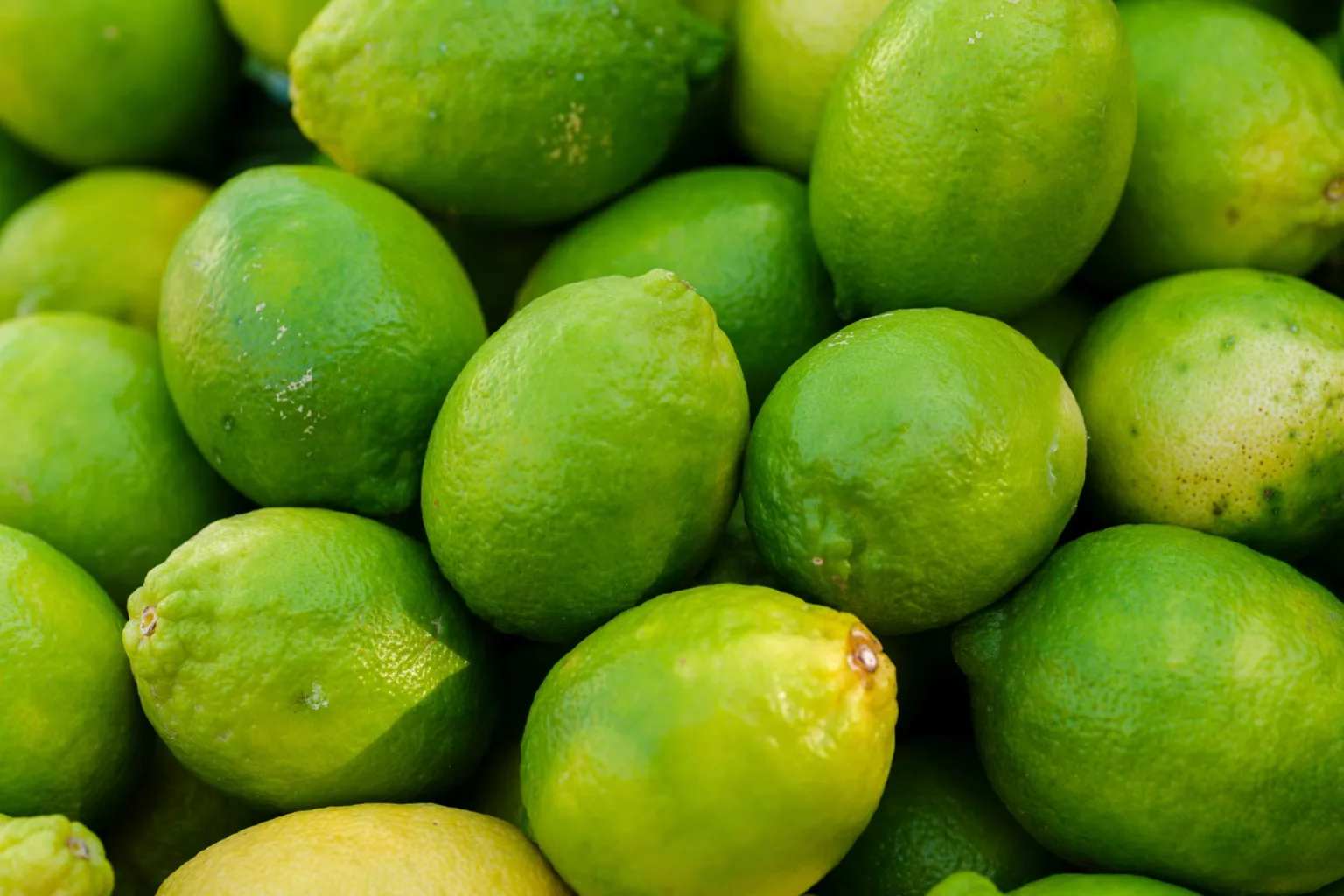
Lime zest is the colored outer layer of a lime’s peel, collected by finely grating the fruit or using a citrus zester. It is used in small amounts to add aroma to a dish; it is not the same as lime juice, which is mainly used to add acidity. When zesting, remove only the outer layer and avoid the white pith underneath, which can taste bitter. Aroma intensity can vary from fruit to fruit, so start with a little and adjust to taste. This profile concerns common lime zest and does not assume that every kind of lime has identical characteristics.
When to use it
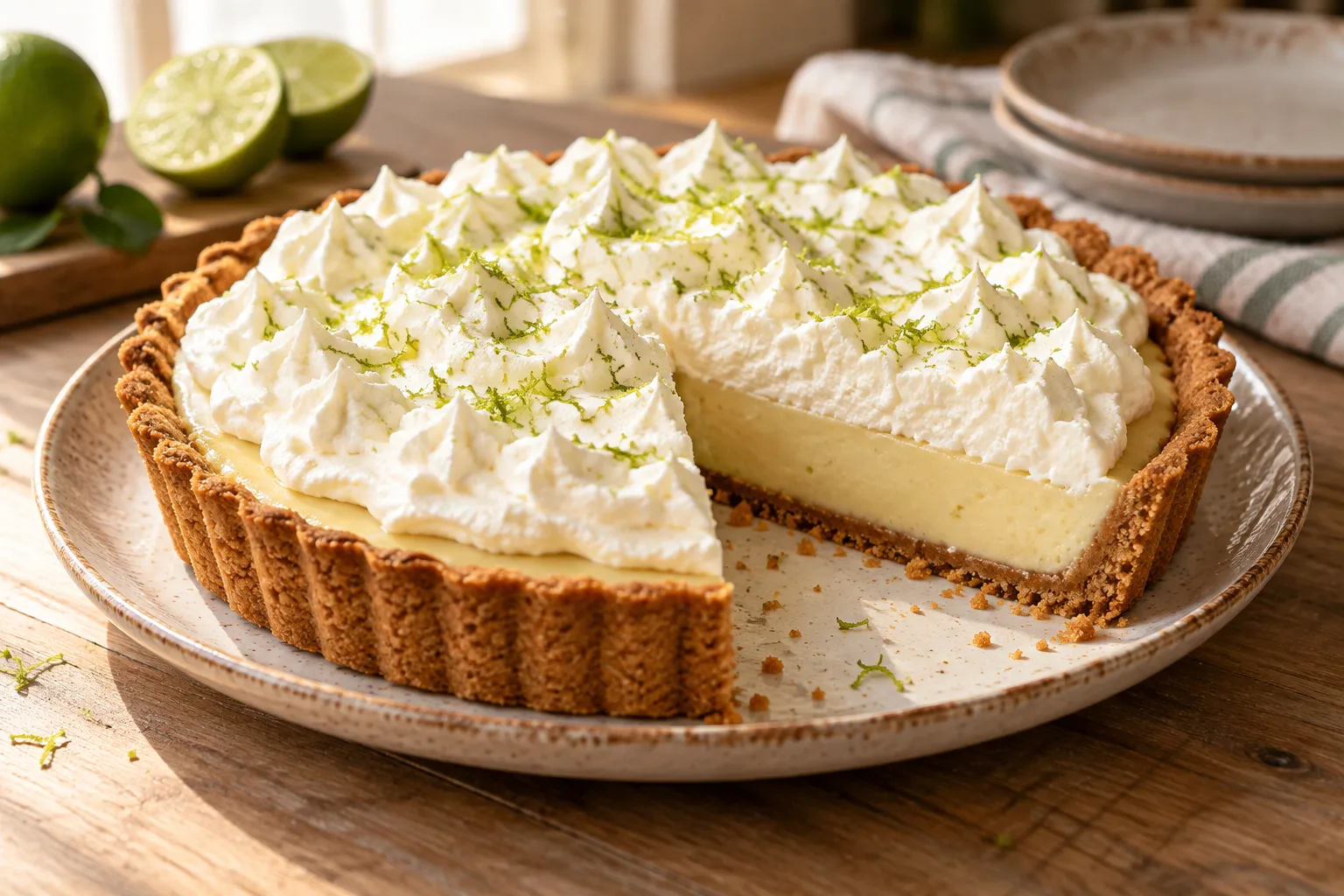
Use lime zest when you want a dish to have a pronounced citrus aroma rather than simply more acidity. It can be added to desserts, batters, salads, sauces, fish or meat dishes, and cocktails. In a corn preparation, for example, zest can be combined with lime juice and other sauce ingredients. Add it gradually: even a small amount of peel can stand out aromatically. If acidity is what you need, juice is generally the more suitable choice. Zest and juice are not interchangeable without changing the result.
How to use it
Wash the lime before handling it and dry it so it is easier to zest. Run a fine grater over the surface, turning the fruit as you go, and remove only the colored outer layer; stop before reaching the white pith, which can add bitterness. Stir the zest gradually into dessert batter, a sauce, a dressing or a cocktail mixture, and taste before adding more. For a corn sauce, it can be combined with lime juice, cream or sour cream and other seasonings. If you also want acidity, add juice separately and adjust each ingredient for its purpose. Zest over a bowl to catch the fine peel, and avoid including large pieces or white pith.
Flavour and texture
Lime zest has a fresh, pronounced citrus aroma, distinct from the acidity of the juice. Its texture depends on the tool: a fine grater produces small particles that blend easily, while larger strips may be more noticeable in a dish. The colored outer layer is the part used for aroma. The white layer beneath can add a bitter note, so avoid grating it together with the zest.
How to choose it
Choose limes identified as such and suitable for zesting, and check that the surface is clean and in good condition. The available information does not establish a specific visual ripeness test or guarantee that all varieties have the same aroma or appearance. If a recipe calls for zest, buy enough fruit to collect it without scraping deeply into the white pith. Do not confuse common lime with kaffir lime: they are different ingredients, and kaffir lime is especially described for the culinary use of its leaves and peel.
Storage
The available information does not establish a specific temperature or storage period for fresh lime zest. To preserve its aroma, zest the amount you plan to use for the dish and avoid leaving it unnecessarily exposed to air. If you need to keep leftover zest, follow the product directions or reliable food-storage guidance; do not assume that a particular length of time guarantees quality or safety. Keep the grater, hands and any container that touches the fruit clean.
Substitutions
Lemon zest can provide citrus aroma when lime is unavailable, although the flavor profile and result will not be identical. Orange zest is another option when a different citrus note is welcome, not an exact copy. Add any substitute gradually and adjust the dish to taste. Lime juice is not a direct substitute for zest: it adds acidity rather than the same aromatic quality of the peel.
Common mistakes
Grating the white pith along with the colored peel is a common mistake because it can add bitterness. Another is treating zest and juice as interchangeable: zest is used mainly for aroma, while juice mainly provides acidity. Avoid adding a large amount of zest all at once, since its flavor can dominate a dish. Do not confuse common lime with kaffir lime or assume that every lime has the same profile.
Safety and allergens
Wash the fruit and keep hands, the grater and containers clean during preparation. Zest fruit intended for eating and follow any product directions. The available information does not identify a specific safety warning for lime zest.
Culinary uses
- Aportar aroma cítrico
- Realzar postres y preparaciones saladas
Recommended techniques
- Rallar finamente la parte coloreada de la piel
- Añadir la ralladura a mezclas, salsas o masas
Pairs well with
- Maíz, crema, queso y cilantro
- Postres, ensaladas, pescados, carnes, salsas y cócteles
Frequently asked questions
Which part of the lime should I zest?
Grate only the colored outer layer. Avoid the white pith beneath it, which can add a bitter taste.
Do lime zest and lime juice do the same job?
Not exactly. Zest is used mainly for citrus aroma, while juice mainly adds acidity. Use both when a dish needs both qualities.
Can I replace lime zest with lemon zest?
Yes, as a citrus alternative, but the aroma will be different. Add it gradually and adjust the amount to taste.
Ingredient allergens
Allergen listThere are no verified associations for these ingredients yet.
Estimated nutrition
- Fat
- 0 g
- Saturates
- 0 g
- Carbohydrate
- 6.67 g
- Sugars
- 0 g
- Protein
- 0 g
- Salt
- 4.68 g
Sources and review
Automatically researched, cross-checked and validated content. Sources consulted:
- Almacenamiento Seguro de Alimentos: - El Refrigerador y el Congelador bookstore.ksre.ksu.edu/download/safe-food-storage-the-refrigerator-and-freezer-spanish_MF313…
- ¿Por qué la muerte es origen de miedos y tabúes? doi.org/10.64628/aao.fccyk3qj3
- The Essential Glossary of Cooking Terms for the Culinary Arts - Escoffier www.escoffier.edu/blog/culinary-arts/the-essential-glossary-of-cooking-terms-for-the-culinar…
- Elote and Esquites | UConn Extension | College of Agriculture, Health and Natural Resources | University of Connecticut extension.uconn.edu/2024/10/10/elote-and-esquites/
- Qué es la lima kaffir, ingrediente imprescindible de la cocina tailandesa www.directoalpaladar.com/ingredientes-y-alimentos/que-lima-kaffir-ingrediente-imprescindible…
- Recetas - Expanded Food and Nutrition Education Program efnep.tamu.edu/recipessp/
- 3 formas de rallar lima - wikiHow es.wikihow.com/rallar-lima
- Has estado pelando mal las limas y limones todo este tiempo: así se hace en los restaurantes www.lavanguardia.com/comer/20240613/9728570/has-pelando-mal-limas-limones-asi-restaurantes-p…
- Lima: cómo usar su zumo y su ralladura en la cocina — KitchenPause kitchenpause.com/es/ingredientes/lima
- The lime — what it is, differences with lemon, varieties and culinary uses citrusricus.com/blogs/el-huerto/lima-el-secreto-culinario-que-revoluciona-tus-platos?srsltid…