- Category
- Fish and seafood
- State
- Fresh
- Usual unit
- unit
What it is
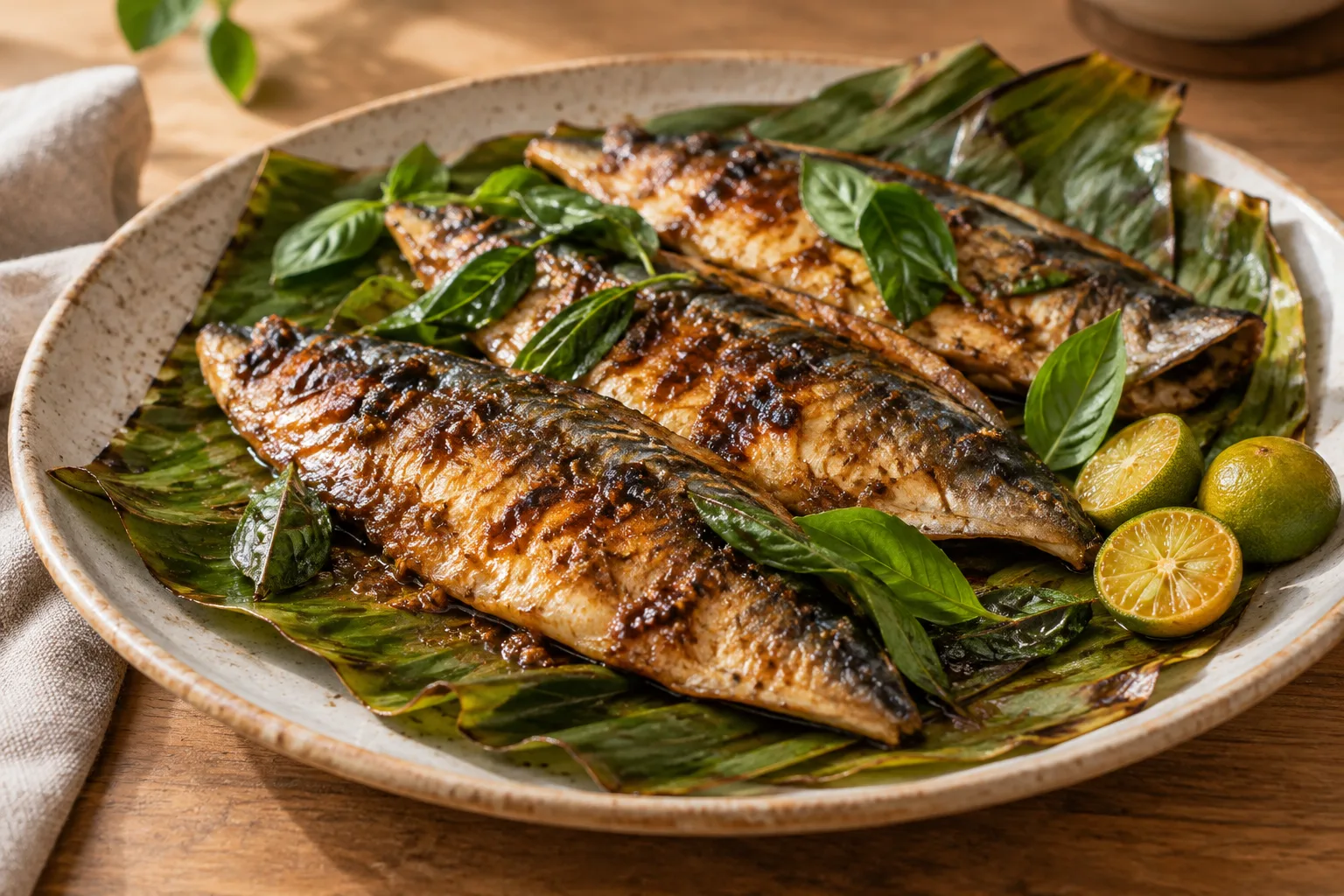
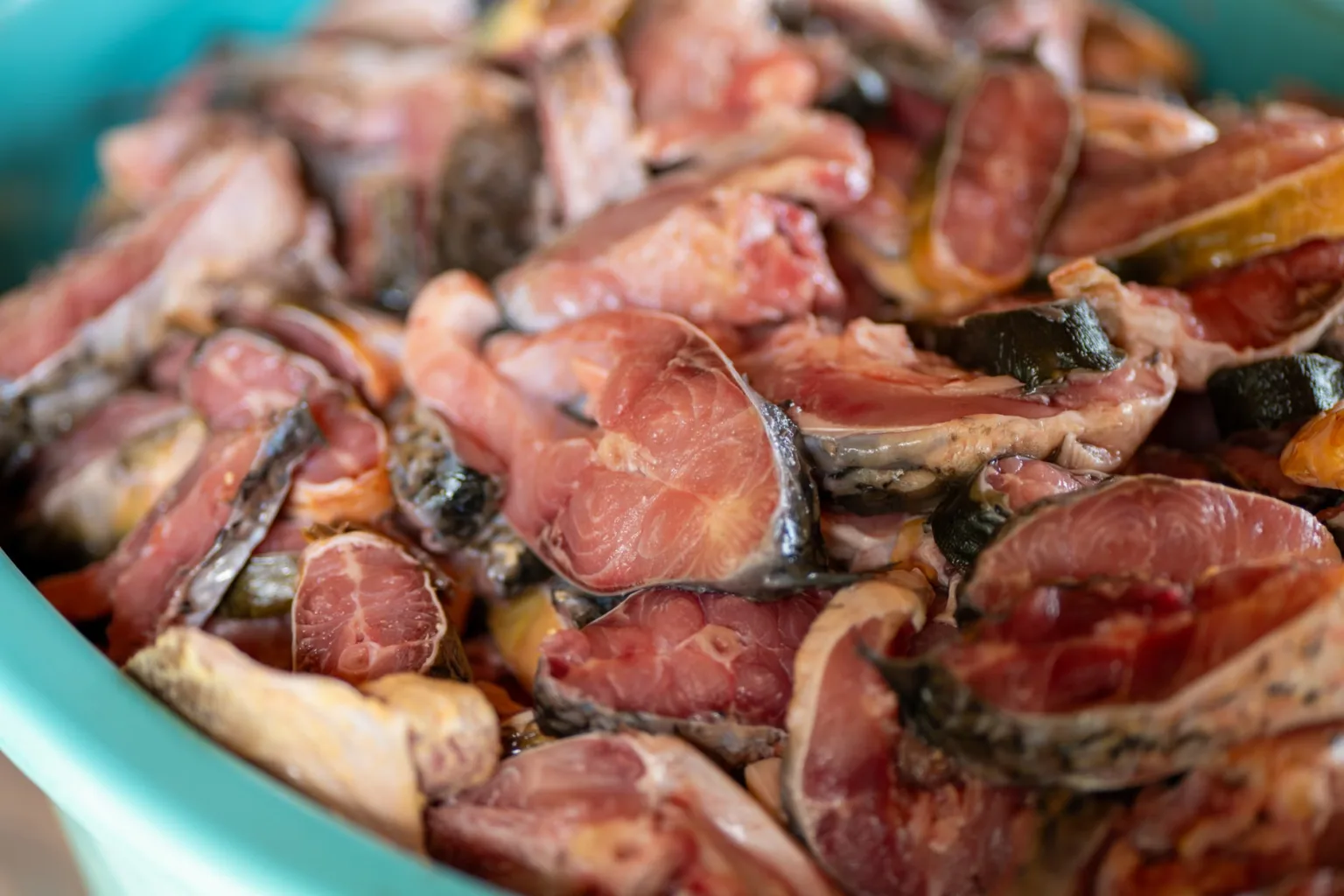
Mackerel is an oily fish in the Scombridae family. Fillets are portions of its flesh separated from the main bones, and they are sold in different forms, including fresh and canned. Those forms should be distinguished: fresh fillets need suitable preparation, while canned fillets are generally already prepared and may be packed in oil, tomato sauce or escabeche. Mackerel is known for firm flesh and a pronounced flavour. The words “mackerel fillets” alone do not identify a particular species or tell you whether the product is raw, cooked, smoked or preserved. Check the product description and label before deciding how to use it.
When to use it
Choose fresh fillets when you want to prepare a fish dish and control its cooking and seasoning. Mackerel has a distinctive flavour, so it can work well as the main element alongside simple accompaniments. Canned fillets are convenient for meals that do not need additional cooking: add them to salads, toast, sandwiches or cold dishes, or include them in a hot preparation. Choose the form to suit the recipe; a tin packed in oil or escabeche is not used in quite the same way as a fresh fillet.
How to use it
First check whether the fillets are fresh or canned, and follow the directions for the product you have. Fresh fillets can be grilled. Cold smoking is another fish-processing technique, but it requires appropriate processing knowledge and controls and is not the same as ordinary home cooking. For canned fillets, drain the packing liquid if the recipe calls for it, then handle them gently to keep them whole or flake them through the dish. Serve them in salads or on toast, or add them to hot or cold preparations. Tomato, onion, peppers, olives, capers and aromatic herbs are possible companions.
Flavour and texture
Mackerel has a pronounced flavour and firm flesh. The final character also depends on the form and preparation: oil, tomato sauce or escabeche brings its own flavour, while grilling can mark the surface. Do not assume that a fresh fillet and a canned one have the same texture or need the same handling. Pair mackerel with fresh-tasting or tangy ingredients when you want to balance its strong presence without masking its characteristic flavour.
How to choose it
Check that the product form suits your intended use: fresh, frozen and canned fillets do not share identical handling directions. For packaged fillets, read the product name and label, including whether they are packed in oil, tomato sauce or escabeche. When buying fresh fillets from a fishmonger, ask how they have been kept and what handling guidance applies. The available information does not establish universal appearance, smell or shelf-life criteria for every product form.
Storage
Follow the storage directions on the package or the advice given by the seller for the specific form you bought. Do not apply canned-product directions to fresh fillets: they are different products and may have different requirements. Observe any date and storage conditions stated on the label. There is no universal storage period or duration that applies to every mackerel fillet product.
Substitutions
If mackerel is unavailable, sardines, herring or salmon may be considered as alternatives from the oily-fish group, but each has its own flavour and texture. A swap can change the result, so adjust the accompaniments and check preparation directions for the fish you choose. If the recipe depends on mackerel’s distinctive flavour, do not expect another fish to be an exact match.
Common mistakes
Do not confuse fresh fillets with canned ones: they start in different forms and have different product directions. Do not assume that every product called mackerel has the same preparation or treatment. Another common misstep is adding all the packing liquid without considering whether the oil or escabeche suits the dish. Read the label and adapt the ingredients and handling to the product form.
Safety and allergens
Store and use the product according to its label or the seller’s directions. Do not treat fresh fillets as a shelf-stable canned product; if you are unsure how to store or prepare them, ask the seller.
Culinary uses
- Main protein for a fish dish
- Filling or topping for salads, toasts and sandwiches
Recommended techniques
- Grilling
- Cold smoking, as a specialist fish-processing method
Pairs well with
- Tomato, onion and peppers
- Olives, capers and aromatic herbs
Frequently asked questions
Are mackerel and jack mackerel the same fish?
No. They are different fish and may differ in family, flavour and texture.
How can I serve canned mackerel fillets?
Serve them on their own or add them to salads, toast and sandwiches. They can also be used in hot or cold dishes.
What goes well with mackerel?
Tomato, onion, peppers, olives, capers and aromatic herbs are possible accompaniments.
Ingredient allergens
Allergen listThere are no verified associations for these ingredients yet.
Estimated nutrition
- Fat
- 18.2 g
- Saturates
- 3.64 g
- Carbohydrate
- 0 g
- Sugars
- 0 g
- Fibre
- 0 g
- Protein
- 12.7 g
- Salt
- 2.4 g
Sources and review
Automatically researched, cross-checked and validated content. Sources consulted:
- Caballa: propiedades y caballa en conserva conservasriasbaixas.com/caballa/
- Agencia Española de Seguridad Alimentaria y Nutrición www.aesan.gob.es/
- Nutrition After Your Transplant - Health Online healthonline.washington.edu/sites/default/files/record_pdfs/Nutrition-After-Your-Transplant-…
- FSHN14-05s/FS275: De Compras Para la Salud: Mariscos ask.ifas.ufl.edu/publication/FS275
- em4704s, Pescado rex.libraries.wsu.edu/view/pdfCoverPage?download=true&filePid=13332926780001842&instCode=01A…
- Estudio de la actividad antioxidante de diversas plantas ... upcommons.upc.edu/bitstreams/2ba9295d-50ba-4beb-8513-47ed2974095a/download
- ¿Qué Puedo Congelar? - Illinois Extension extension.illinois.edu/sites/default/files/what_can_i_freeze_spa.pdf
- Lista de pescados www.purdue.edu/hhs/nutr/fish4health/mobile/spanish/list.html
- Estudio del proceso de ahumado frío de filetes de caballa (Scomber japonicus) doi.org/10.35537/10915/35309
- el Mercurio? superfund.arizona.edu/sites/default/files/mercury_spanish.pdf
- Beneficios del consumo de caballa: el alimento que no debe faltar en tu dieta - USISA www.usisa.com/beneficios-del-consumo-de-caballa-el-alimento-que-no-debe-faltar-en-tu-dieta/?…
- Filetes de caballa: Un sabor intenso para tus recetas - Garpa Alimentación - Almacenamiento y Distribución para las Islas Canarias garpa-alimentacion.com/filetes-de-caballa-un-sabor-intenso-para-tus-recetas/
- Caballa: conoce todo sobre el delicioso pescado azul | Isabel www.isabel.net/caballa/
- - YouTube www.youtube.com/watch?v=9lxm2TlC1y8
- Food allergen labelling and information requirements technical guidance - GOV.UK www.gov.uk/government/publications/food-allergen-labelling-and-information-requirements-tech…