- Category
- Vegetables
- State
- Fresh
- Usual unit
- unit
What it is
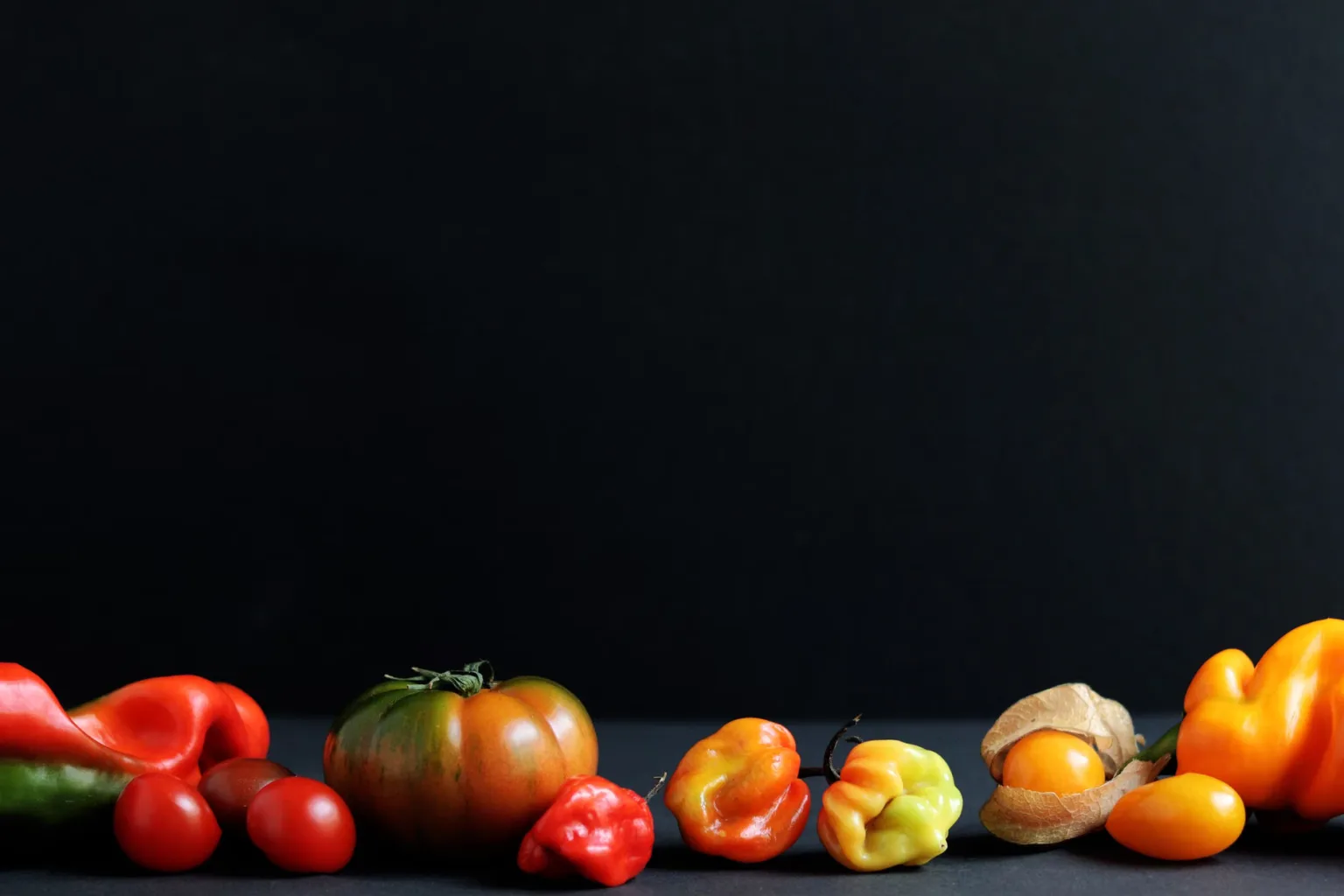
Madame Jeanette pepper is a fresh chili associated with Suriname and classified as Capsicum chinense. It is described as yellow, very hot and fruity, with flavor notes that may suggest mango and pineapple. Appearance and heat can vary between fruits and varieties, so do not assume every pepper will have the same intensity. It is most useful as an aromatic source of heat rather than as a vegetable to eat in large portions. Small amounts can add pungency and a fruity note to sauces, curries and chutneys.
When to use it
Use Madame Jeanette when you want pronounced chili heat with a fruity aroma, especially in sauces, curries or chutneys. Because the heat can be intense and may vary from one fruit to another, start with a small amount and taste the dish before adding more. It suits recipes where the pepper should contribute aroma as well as heat; for mild or neutral chili flavor, choose another pepper. Its fruit-like character may work alongside mango- or pineapple-flavored preparations, but the chili itself should not be assumed to taste sweet.
How to use it
Wash the pepper and handle it cautiously. Remove the stem and chop it finely for more even distribution, or blend it into a sauce or chutney. For a curry, add a small amount during cooking and taste before adding more; individual fruits do not necessarily have identical heat. It can also flavor a serving sauce. Avoid adding a whole pepper without first checking the result, particularly if you are unfamiliar with its strength. Its fruity character can complement recipes featuring mango or pineapple, but gradual seasoning is still the best way to control the heat.
Flavour and texture
Its defining quality is intense heat, accompanied by a fruity aroma that may suggest mango and pineapple. The fresh fruit has flesh and skin, while the specific flavor and strength may vary. The aromatic character lets it contribute more than heat to sauces, curries and chutneys. Use it sparingly so it does not overwhelm the other ingredients.
How to choose it
Choose fresh peppers that look intact and show no obvious signs of spoilage. The variety is commonly described as yellow, but color alone cannot tell you how hot an individual pepper will be. If consistent aroma or heat matters, taste a small piece before adding it to a whole dish. Do not assume that every Madame Jeanette pepper has identical size, appearance or intensity.
Storage
The available information does not establish a specific storage duration for this fresh pepper. Keep it clean and refrigerated if you will not use it promptly, and follow any product or seller instructions when available. Do not eat it if it shows clear signs of spoilage, such as mold or an unusual appearance. For longer storage, do not assume a method or duration without reliable instructions for the specific product.
Substitutions
A yellow habanero or another hot Capsicum chinense pepper can stand in, but its aroma and heat may not match exactly. Start with a small amount and adjust to taste. Another hot yellow chili may provide heat, although its fruity character can differ; there is no guaranteed exact equivalent.
Common mistakes
Adding too much at the start can let the heat overwhelm the dish. Begin with a small amount, mix, and taste before adding more. Do not assume that yellow color, appearance or the variety name guarantees the same heat in every pepper.
Safety and allergens
This pepper is described as very hot. Add it in small amounts and taste the food before increasing the quantity. Do not eat a pepper that shows signs of spoilage; discard it if it has mold or a clearly abnormal change.
Culinary uses
- Chili pepper for adding pronounced heat to sauces, curries and chutneys
- Aromatic ingredient that contributes a fruity, tropical note
Recommended techniques
- Chop finely and add in small amounts
- Blend into a sauce or chutney
- Cook into a curry
Pairs well with
- Sauces
- Curries
- Chutneys
- Mango- or pineapple-flavored dishes
Frequently asked questions
What does Madame Jeanette pepper taste like?
It is known for intense heat and a fruity aroma that may suggest mango and pineapple.
How can I use it in cooking?
Add small amounts to sauces, curries or chutneys for heat and aroma.
Are all Madame Jeanette peppers equally hot?
Do not assume they are. Heat can vary, so start with a little and taste before adding more.
Ingredient allergens
Allergen listThere are no verified associations for these ingredients yet.
Sources and review
Automatically researched, cross-checked and validated content. Sources consulted:
- Client Challenge doi.org/10.2307/jj.27939689.16
- When to Say Goodbye to Your Condiments | K-State | Kansas State University www.johnson.k-state.edu/programs/health-food-safety/newsletter-articles/agents-articles/when…
- - YouTube www.youtube.com/watch?v=z58qdJRiIfc
- Dictionary www.eecis.udel.edu/~lliao/cis320f05/dictionary.txt
- Pimientos tipo Madame Jeanette - Eminent Seeds eminentseeds.nl/es/productos/chiles-pimientos-picantes/pimientos-tipo-madame-jeanette/
- Chile de Surinam 'Madame Jeanette' www.magicgardenseeds.es/Chile-de-Surinam-Madame-Jeanette-Capsicum-chinense-semillas?srsltid=…
- Capsicum chinense - Wikipedia, la enciclopedia libre es.wikipedia.org/wiki/Capsicum_chinense