- Category
- Herbs and spices
- State
- Fresh
- Usual unit
- leaves
What it is
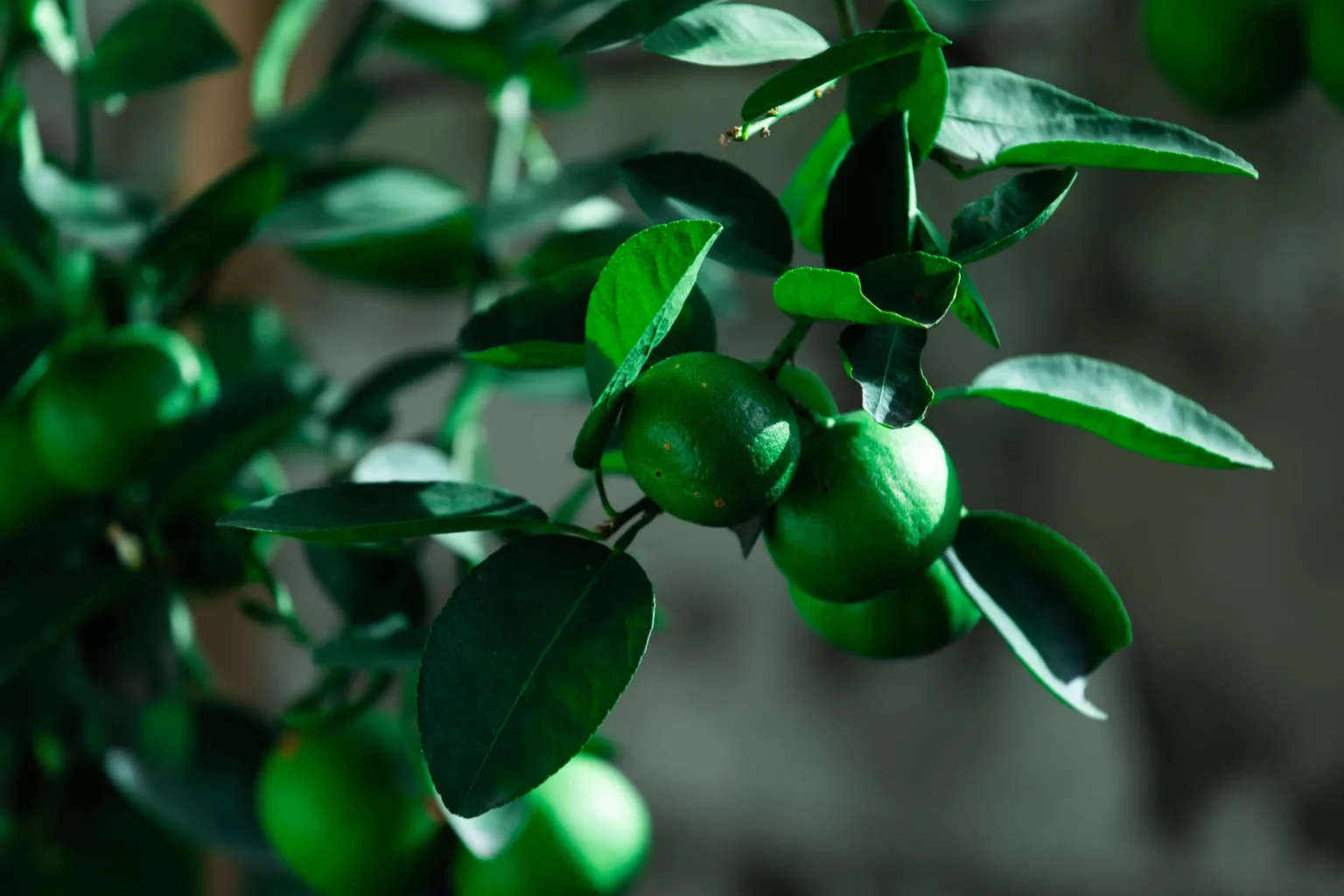
Makrut lime leaves come from the citrus plant Citrus hystrix. They commonly grow in pairs with a distinctive two-lobed outline, and their glossy green surface releases a strong aroma when rubbed. Cooks prize their citrus, floral and herbal fragrance, which differs from that of an ordinary lime. The leaves are especially associated with Southeast Asian cooking. Fresh leaves are firm and somewhat leathery: use them whole to scent a dish and remove them before serving, or slice them very finely to add as a garnish. They are also sold frozen and dried; these forms do not have exactly the same aroma or texture as fresh leaves.
When to use it
Use them when you want a pronounced citrus aroma in soup, curry, sauce or stew, particularly in Thai-inspired or other Southeast Asian dishes. They work well with coconut milk, galangal or ginger, garlic and chilli, and can also accompany fish, seafood, chicken, vegetables and rice. Because the fragrance is intense, start with a small amount and taste before adding more. For a fresh finish, scatter very finely sliced leaves over the dish; if you cook a leaf whole, remove it before eating if you find its texture too firm.
How to use it
Rinse fresh leaves and gently dry them. To scent soup, curry, sauce or stew, add them whole during cooking; tear or lightly bruise them to release more aroma. Remove them before serving if you do not want them in the finished dish, since the leaves are firm and leathery. To eat them, remove the central rib if desired and slice very finely; use the strips as a garnish or mix them into a spice paste. Frozen or dried leaves can also be used, though their profile is not identical to that of fresh leaves. Begin with a small amount: their fragrance can overpower other flavours.
Flavour and texture
The aroma is intensely citrusy, floral and herbal, with a fresh, penetrating note unlike ordinary lime. Fresh leaves are firm and somewhat tough or leathery, so they are often infused whole and removed, or sliced very finely when they are to be eaten. Their fragrance is especially noticeable when the leaves are torn or cut.
How to choose it
Look for green leaves that appear fresh, with a glossy surface, and check that the product is identified as makrut lime leaves or Citrus hystrix. They are sold fresh, frozen and dried; these forms differ in texture and do not offer exactly the same aroma. Choose a form suited to your recipe, and do not mistake them for ordinary lime leaves or curry leaves.
Storage
The leaves are available fresh, frozen or dried, but the available information does not establish universal storage conditions or a shelf life. Keep the product according to its package directions, and do not assume that instructions for one form apply to another. If buying leaves for a particular recipe, choose a form you can use in line with those directions.
Substitutions
Finely grated lime zest can provide a citrus note, but it does not fully reproduce the leaves’ floral, herbal fragrance. Lemongrass or lemon myrtle can also be tried, with a different result. Do not confuse makrut lime leaves with curry leaves: they have different aromas and uses.
Common mistakes
Adding too many leaves can allow their fragrance to dominate a dish. Another mistake is leaving a whole leaf in a serving without warning diners that it is firm and leathery. For infusion, use it whole and remove it if desired; if eating it, slice it very finely and consider removing the central rib.
Safety and allergens
Use leaves sold for culinary use and follow the handling directions on the package. Whole leaves can be tough to chew; remove them before serving or slice them very finely if they are to be eaten.
Culinary uses
- Citrus-scented cooking aromatic
- Finishing herb when finely sliced
Recommended techniques
- Infuse whole leaves in soups, curries, sauces or stews, then remove if desired
- Tear, bruise or finely slice; remove the central rib for a tender garnish
Pairs well with
- Coconut milk, galangal, ginger, garlic and chilli
- Fish, seafood, chicken, vegetables, rice and Thai-style soups
Frequently asked questions
Can you eat makrut lime leaves?
Yes, if they are sliced very finely. They are also commonly infused whole and removed before serving because they are firm and leathery.
What do makrut lime leaves taste like?
They give an intense citrus aroma with floral and herbal notes, distinct from ordinary lime.
What can I use if I cannot find them?
Lime zest, lemongrass or lemon myrtle can add citrus notes, but none reproduces their aroma exactly.
Ingredient allergens
Allergen listThere are no verified associations for these ingredients yet.
Sources and review
Automatically researched, cross-checked and validated content. Sources consulted:
- ¿Por qué la muerte es origen de miedos y tabúes? doi.org/10.64628/aao.fccyk3qj3
- Qué es (y qué no es) la estadística, usos y abusos de una disciplina clave en la vida de los países y las personas | Estudios económicos doi.org/10.52292/j.estudecon.2015.740
- Qué es la lima kaffir, ingrediente imprescindible de la cocina tailandesa www.directoalpaladar.com/ingredientes-y-alimentos/que-lima-kaffir-ingrediente-imprescindible…
- Lima Kaffir | Jardinería TOT en U en Valencia www.totenu.com/lima-kaffir/
- Hojas de Lima Kaffir — Open Spice Box openspicebox.com/es/ingredients/kaffir-lime-leaves
- Lima kaffir | Gastronomía & Cía www.gastronomiaycia.com/lima-kaffir/
- Hojas de lima kaffir, crudas (hojas de kaffir, ¿orgánicas?) | Fundación G+E www.diet-health.info/es/recetas/ingredientes/in/pi8840-hojas-de-lima-caffir-crudas-kafir-com…
- ¿Qué Son Las Hojas De Lima y Cómo Utilizarlas En La Cocina? | Coco March blog.dracocomarch.com/que-son-las-hojas-de-lima-y-como-utilizarlas-en-la-cocina/
- ¿Ya conoces las Hojas de Lima Kaffir? – Microgreens www.microgreens.pt/es/blogs/blog/ja-conheces-a-folha-de-lima-kaffir?srsltid=AYCX9vL24ko-kUoO…