- Category
- Grains, flour and pasta
- State
- Dry
- Usual unit
- g
What it is
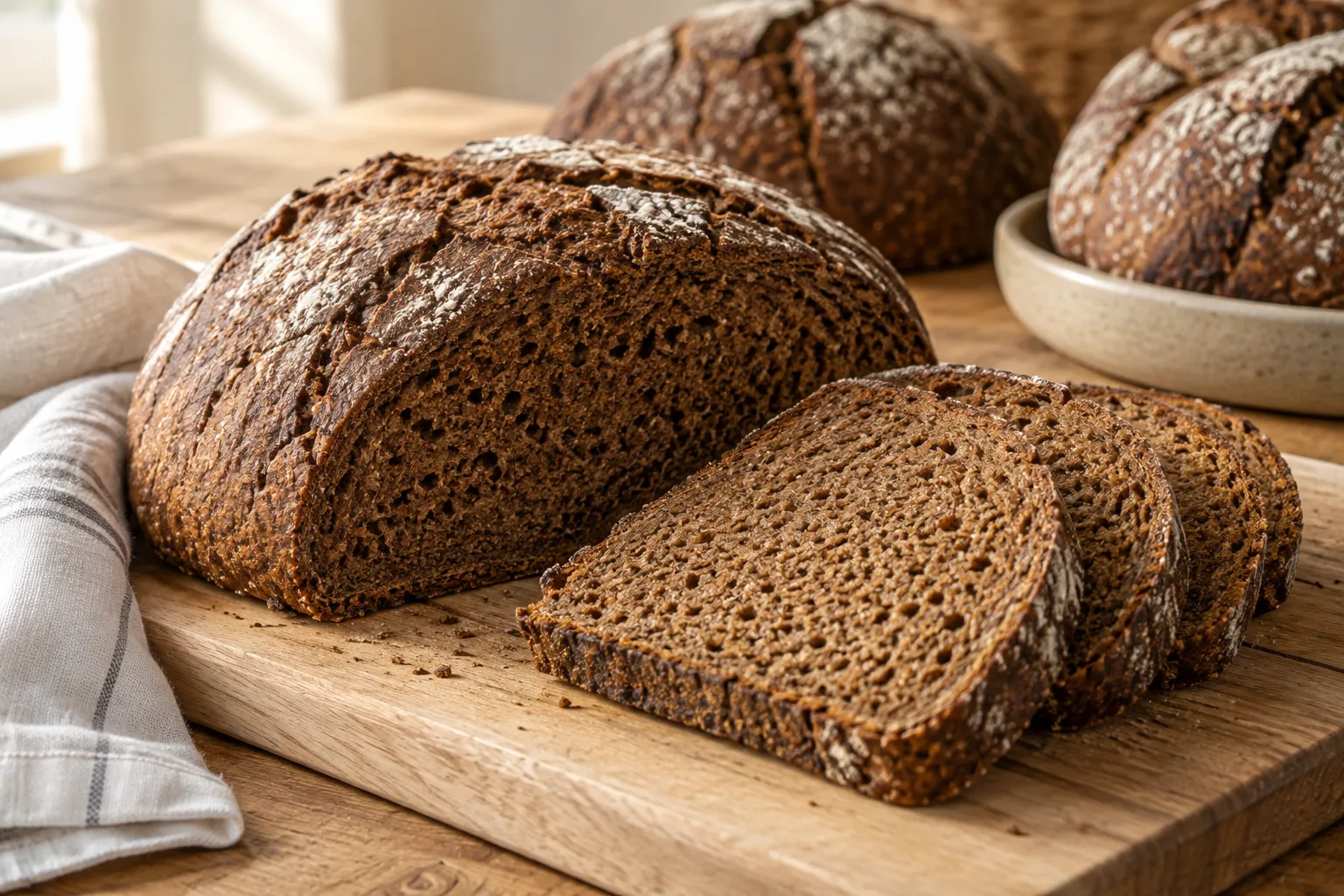
Malt is cereal grain that has been prepared to begin germinating and then dried or roasted to stop the process. Barley is one of the most widely used grains for malt, but wheat and other cereals can also be malted. Germination develops enzymes that help convert some of the grain’s starch into simpler sugars. The grain and heat treatment affect the malt’s character: lightly treated malts generally retain more enzyme activity and have gentler flavors, while more heavily roasted malts can bring stronger notes and a darker color. In shops, “malt” may refer to whole grain or to a milled product; check the form stated on the package.
When to use it
Choose malt when a recipe calls for malted grain for brewing beer or another fermented drink, or specifies malt flour or malt extract for baking. In brewing, malt supplies components extracted during the process that yeast can use during fermentation. In bread and other doughs, malt flour can contribute flavor and take part in yeast activity, depending on the product and recipe. Select a type based on the result you want: a pale malt tends to have a milder profile, while a more roasted malt can deepen the flavor and darken the preparation. Different malts are not automatically interchangeable without changing the result.
How to use it
Follow the form and amount specified by your recipe or the package: whole grain, milled malt, and malt flour are not added in exactly the same way. For brewing, malted grain is commonly milled and mixed with water during an extraction stage; the resulting wort is then used to make the drink. For baking, add malt flour to the dry ingredients and combine it with flour and yeast as directed by the recipe. If you replace one malt with another, account for possible changes in grain, flavor, color, and enzyme activity. Start with the amount specified in the recipe, since the available evidence does not establish a universal proportion for every product and form.
Flavour and texture
Flavor depends on the grain and the degree of drying or roasting. Pale malts may suggest bread or biscuits; more roasted types can bring caramel or coffee-like notes and a hint of bitterness. Dry malt grain is firm and may be sold whole or milled; malt flour and other malt products have different textures.
How to choose it
Read the package to identify the grain, such as barley or wheat, and whether the product is whole grain, milled malt, or malt flour. Check the malt type and roast level too, since they affect color and flavor. If a recipe calls for a particular form, choose that form rather than assuming every malt product is used in the same way.
Storage
Keep dry malt in a tightly closed package and follow the storage directions on the label. Protect it from moisture, and use a clean, dry container if you transfer it. The available sources describe dry malt but do not establish a universal storage period; check the date and instructions from the manufacturer.
Substitutions
Wheat malt or malt made from another grain may work when a recipe allows the grain to change, but the flavor and behavior can differ. A malt with a different roast level can change the color and aromatic notes. Do not automatically swap whole grain for flour or extract: these are different forms, and the recipe must accommodate the change.
Common mistakes
A common mistake is treating all malts as identical: the grain, roast level, and form can vary. The result may also change if whole grain is replaced with flour without adjusting the method. Check which form the recipe calls for, and do not assume a roasted malt has the same flavor or enzyme activity as a pale malt.
Safety and allergens
If you need to avoid a particular grain, check the grain named on the package and the product information. Malt can be made from different cereals, and the label helps identify which one is present.
Culinary uses
- Ingrediente para elaborar cerveza y otras bebidas fermentadas
- Aporta sabor y ayuda a la fermentación en panes y productos horneados
Recommended techniques
- Macerar o infusionar en agua para extraer componentes solubles
- Moler antes de usar cuando la receta requiera malta en grano
Pairs well with
- Agua, lúpulo y levadura en la elaboración de cerveza
- Harina y levadura en masas de pan
Frequently asked questions
Which grain is malt made from?
Barley is one of the most commonly malted grains. Other cereals, including wheat, can also be malted.
What is malt used for?
It is used mainly in brewing and can also be used in breads and other doughs, depending on the form and recipe.
Is malt always a powder?
No. It may be sold as whole or milled grain, and malt flour is also available. Check the form on the label.
Ingredient allergens
Allergen listThere are no verified associations for these ingredients yet.
Estimated nutrition
- Fat
- 0 g
- Saturates
- 0 g
- Carbohydrate
- 16.1 g
- Sugars
- 14.6 g
- Fibre
- 0.1 g
- Protein
- 0.52 g
- Salt
- 0.01 g
Sources and review
Automatically researched, cross-checked and validated content. Sources consulted:
- Client Challenge doi.org/10.2307/jj.27939689.16
- The Essential Glossary of Cooking Terms for the Culinary Arts - Escoffier www.escoffier.edu/blog/culinary-arts/the-essential-glossary-of-cooking-terms-for-the-culinar…
- School of Culinary Arts Program | Institute of Culinary Education www.ice.edu/campus-programs/culinary-arts
- Un superingrediente: la harina de malta, una alternativa vegana y saludable - Harinera El Molino harineraelmolino.com/un-superingrediente-la-harina-de-malta-una-alternativa-vegana-y-saludab…
- Elaboración de los distintos tipos de malta |... www.cocinista.es/web/es/enciclopedia-cocinista/ingredientes-para-cerveza-y-vino/maltas/elabo…
- Qué es la Malta de Arroz y para qué se utiliza | MásQueBio masquebio.es/que-es-la-malta-de-arroz-y-para-que-se-utiliza/
- 10 Essential Cooking Tips to Improve Kitchen Skills northbridge.edu/en/publications/5-lessons-from-culinary-arts-that-can-be-used-daily-as-a-hom…
- Culinary Arts Associate | Culinary Insititute | EN mmci.edu/en/site/program-detail/aas-degree-in-culinary-arts
- Summer Cooking Courses - Le Cordon Bleu London www.cordonbleu.edu/london/summer-cooking-courses/en
- Master’s in Culinary Nutrition | Online Culinary Nutrition Degree www.saybrook.edu/programs/integrative-functional-nutrition/ms-culinary-nutrition-specializat…
- Kish Store | Kishwaukee College kish.edu/student-experience/kish-store/
- 2003: Luke Finchem and Bob Garlough www.ferris.edu/alumni/success/2000-2009/2003/fusion.htm
- ¿Qué es la malta? Cerveza en MEGA. Mundo Estrella Galicia mundoestrellagalicia.es/que-es-la-malta/