- Category
- Meat
- State
- Fresh
- Usual unit
- unit
What it is
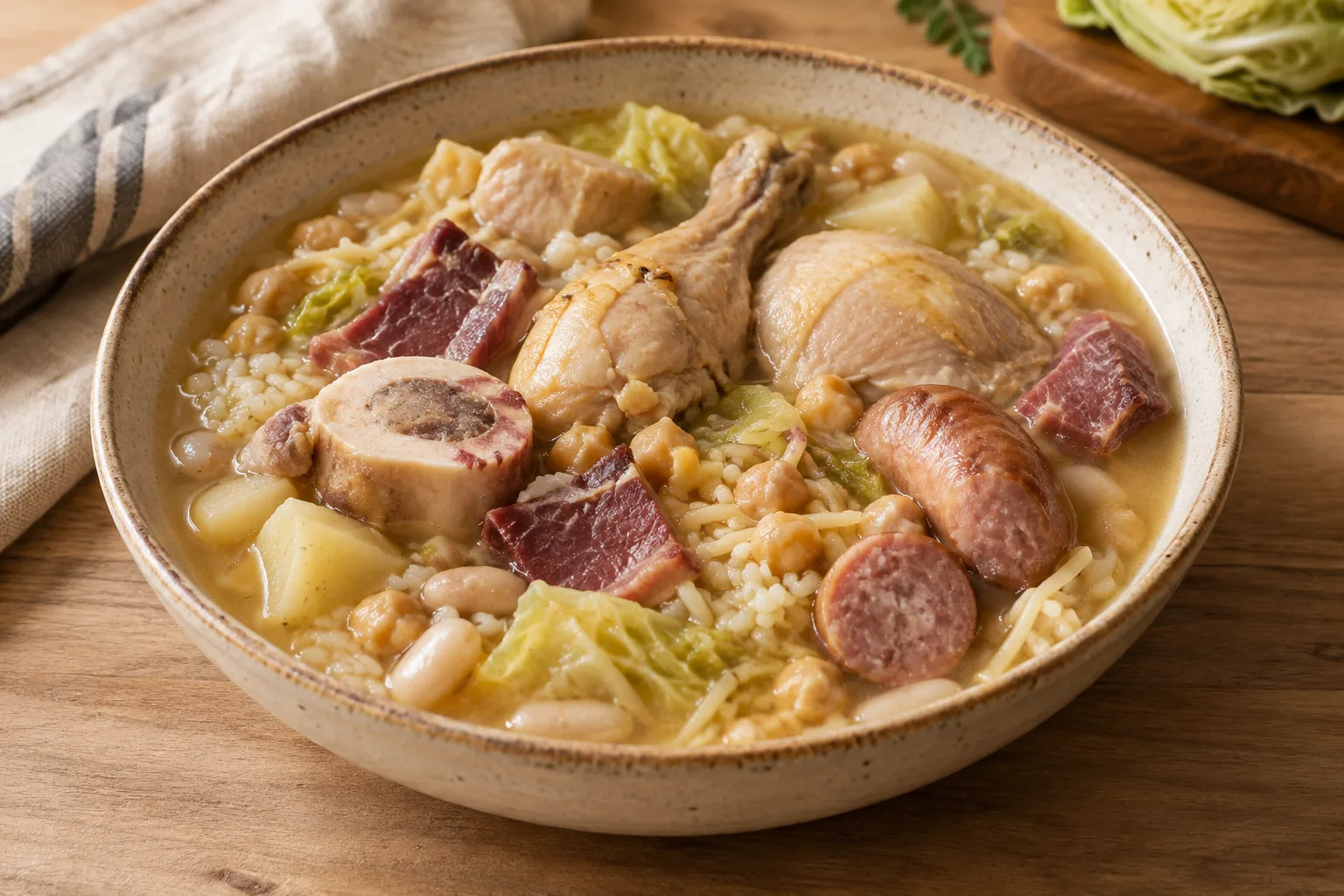
A marrow bone is an animal bone containing soft bone marrow that is used as food. Beef bones are common in cooking, although marrow can come from other animals. When heated, the marrow softens into a creamy, rich ingredient that can be spooned from the bone, spread on toast or mixed into other dishes. It is different from bone broth: the bone contributes structure and flavor to a liquid, while marrow is the soft tissue inside it. Bone size and cut vary. Long bones are a familiar choice for roasting or removing the marrow, while cross-cut pieces can be used in broths and stews. The best cut depends on how you plan to cook and serve it.
When to use it
Use marrow when you want to add richness and a soft, buttery texture to a dish, or present it as a distinctive starter. Roasted marrow can be served on toast; in a pot of broth or stew, it contributes savory depth. It can also be worked into a rice dish for a richer finish. Its fatty, concentrated character often benefits from contrast with salty or acidic ingredients. Since marrow can be intense and rich, add it when you want its presence to be noticeable and balance it against the other components of the meal.
How to use it
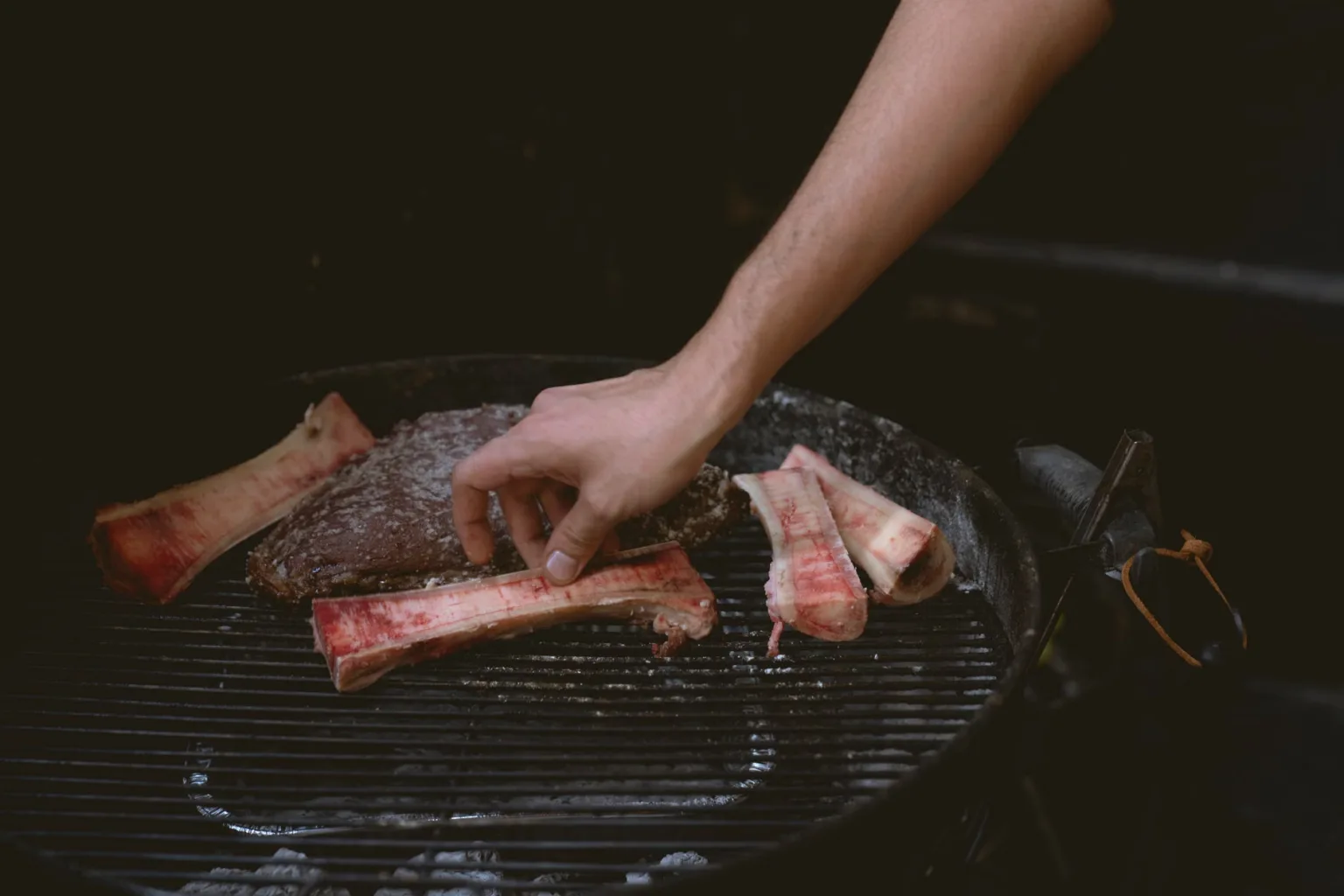
Choose bones intended for cooking, then decide whether you want them split lengthwise for easy access to the marrow or cut into rounds for broth or stew. Roast the bones and serve the hot marrow with toasted bread, or incorporate marrow into a rice dish. It can also enrich a broth or slow-cooked preparation. Spoon out the marrow and add it judiciously: its rich texture can give body to a sauce or a spoonable dish. Pair it with salty or acidic ingredients for contrast. Follow the product’s handling and cooking instructions, along with applicable local food-safety guidance.
Flavour and texture
Marrow tastes savory and meaty, with a rich quality that can remain delicate and take on toasted, faintly mineral notes. Its defining feature is a soft, fatty, creamy texture that becomes easy to spread when warm. The exact flavor and consistency vary with the animal and cooking method.
How to choose it
Buy bones sold for food and ask the butcher to cut them for your planned dish: lengthwise-split bones are convenient for roasting and spooning out marrow, while cross-cut pieces suit broths and stews. Check that packaging is intact and follow the storage instructions and date on the product.
Storage
Follow the storage instructions on the package and any guidance from the seller. If you buy the bones without packaging, ask how they should be stored and when to use them. There is no single storage period that applies to every marrow bone and every condition, so do not assume one duration fits all products.
Substitutions
There is no exact substitute for marrow, especially when it is served on toast. Rendered beef fat can add richness to a cooked dish, while a strongly flavored beef stock can add savory depth to broth or stew. Neither alternative duplicates both the taste and the creamy texture of marrow.
Common mistakes
Do not assume all marrow has exactly the same flavor or consistency; the animal and cooking method matter. Avoid adding too much without tasting, as its rich, fatty texture can overwhelm a dish. Do not confuse the bone with the edible marrow inside, and do not disregard the product’s storage instructions.
Safety and allergens
Follow the handling and cooking instructions on the package or provided by the seller, along with applicable local food-safety guidance. No specific cooking temperature or storage period can be applied to every product here.
Culinary uses
- rich, savory ingredient for broths, stews and sauces
- spreadable or spoonable feature for toast and small plates
Recommended techniques
- roasting in the bone
- adding marrow to broths, stews or rice dishes
Pairs well with
- toasted bread
- salty or acidic accompaniments
- rice and vegetables
Frequently asked questions
What animal do marrow bones usually come from?
Beef bones, especially long bones, are commonly used in cooking, though marrow can also come from other animals.
How is marrow usually served?
A common preparation is to roast it in the bone and serve the warm marrow with toast. It can also enrich broths, stews and rice dishes.
Which cut should I ask for?
Lengthwise-split bones make the marrow easier to access for roasting. Cross-cut bones can be convenient for broths and stews.
Ingredient allergens
Allergen listThere are no verified associations for these ingredients yet.
Sources and review
Automatically researched, cross-checked and validated content. Sources consulted:
- ¿Por qué la muerte es origen de miedos y tabúes? doi.org/10.64628/aao.fccyk3qj3
- Representaciones del capital cultural en Cocina ecléctica via.library.depaul.edu/cgi/viewcontent.cgi?article=1401&context=dialogo
- Tuétano, la Esencia del Vacuno www.worldgastronomy.org/post/tu%C3%A9tano-la-esencia-del-vacuno
- josefina velazquez de leon digital.utsa.edu/digital/api/collection/p15125coll10/id/30102/download
- 72922 Fruit Tree Veg BL Qt picol.cahnrs.wsu.edu/DownloadLabel/57178/WA
- El fantasma del D. F. | Iowa Literaria pubs.lib.uiowa.edu/iowaliteraria/article/id/34549/
- FASHIONING AFROCUBA: FERNANDO ORTIZ AND THE ... uknowledge.uky.edu/cgi/viewcontent.cgi?article=1378&context=gradschool_diss
- Žs Cultural Spirit and the Historical Ballads of Romancero gitano digitalcommons.usu.edu/cgi/viewcontent.cgi?article=1063&context=decimononica
- Qué es el Tuétano y cómo se compara con los mejores quesos y embutidos laovejaquebala.es/que-es-el-tuetano/
- Tuétano: qué es y cómo incorporarlo en el arroz - Lestibador lestibador.es/blog/tuetano-que-es-y-como-incorporarlo-en-el-arroz/
- ¿Qué es el tuétano? Propiedades y recetas para emplearlo - Revista Mia miarevista.okdiario.com/recetas/3105.html
- TUÉTANO, LO OCULTO DEL HUESO - Biodog biodog.es/tuetano-lo-oculto-del-hueso/
- ¿Qué es el tuétano? - pág. 2 www.verema.com/blog/productos-gastronomicos/1045789-que-tuetano?page=2