- Category
- Fruit
- State
- Fresh
- Usual unit
- piece
What it is
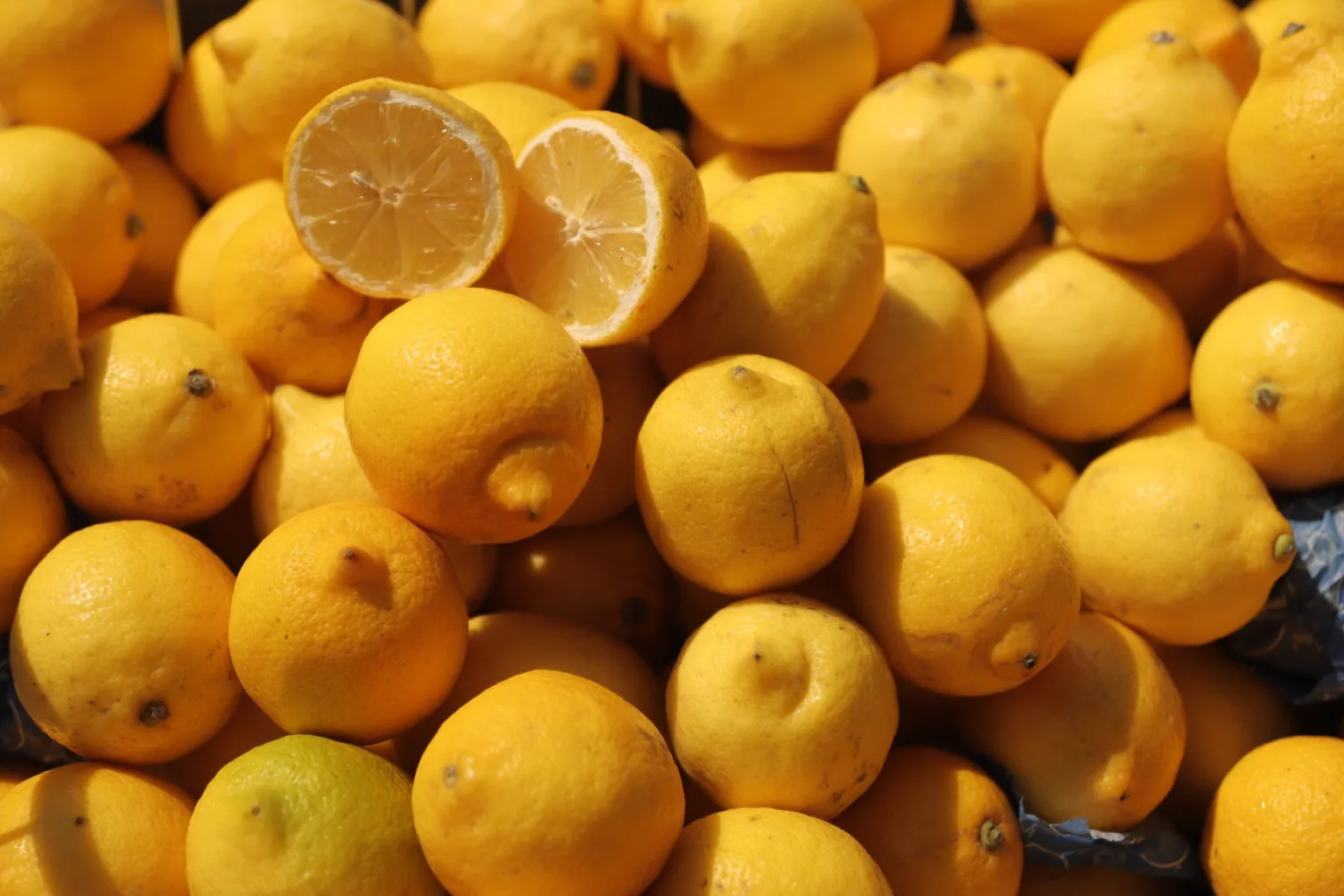
A medium lemon is a fresh citrus fruit in an intermediate size range. The common name “lemon” can refer to different citrus fruits in different regions, so appearance, color, juiciness, and seed count may vary. In cooking, the tart juice and aromatic outer peel are the main parts used. Juice brings acidity to sweet and savory dishes, while the colored zest adds fragrance to food and drinks. Medium describes a size category, not a particular cultivar or a guarantee that every fruit will yield the same amount of juice.
When to use it
Use lemon when a dish needs acidity, citrus aroma, or a fresher finish. Juice works in dressings, vinaigrettes, sauces, broths, drinks, and fish or meat dishes; zest can perfume desserts, sweets, and beverages. Add juice gradually and taste before adding more, since acidity and strength vary with the fruit and the amount used. If a preserving recipe requires standardized acidity, do not assume freshly squeezed juice is interchangeable with bottled juice.
How to use it
For fragrant zest, remove only the colored outer layer and avoid the white pith, which can taste bitter. Cut and squeeze the fruit by hand or with a citrus press, then remove any seeds before adding the juice to food. Stir it gradually into sauces, dressings, broths, drinks, or sweet preparations and adjust to taste. The fruit can also be cut into slices or wedges for serving. For lemon curd intended for canning, follow a tested recipe and use bottled juice when specified; do not change ingredients in a canning recipe without validated instructions.
Flavour and texture
The juice tastes distinctly tart, a flavor associated with citric acid, and can bring freshness to drinks and food. The outer colored peel is aromatic and can be used as fine zest or thin strips. The flesh is juicy, although juice yield and seed count vary among cultivars and individual fruits. The white layer beneath the peel is more bitter, so avoid grating it together with the colored zest.
How to choose it
Choose lemons that suit the intended use and look fresh, without obvious damage. Medium size does not identify a particular cultivar; marketed lemons can differ in shape, peel thickness, seeds, and juiciness. If you plan to use the peel, choose fruit without deteriorated areas. Do not expect every medium lemon to have identical acidity or yield, since these features can vary among varieties and individual fruits.
Storage
No validated storage duration for fresh lemons is established in the available information, so avoid promising a fixed number of days. Protect whole fruit from damage and deterioration, and cut or zest it when you are ready to use it. For preserved foods, do not automatically treat fresh juice as a substitute for an ingredient specified in a recipe: the cited canned lemon-curd recipe uses bottled juice to standardize acidity and does not recommend fresh juice for that recipe.
Substitutions
Lime juice can replace lemon juice in the lemon-curd variation that specifically gives that substitution; follow the full recipe and do not generalize the change to every preserve. For canned lemon curd, bottled juice may be necessary when the recipe specifies it. For other uses, adjust a citrus substitution gradually and taste, because acidity and aroma can differ.
Common mistakes
Grating the white pith along with the zest can make a dish bitter. Adding all the juice at once can overpower a sauce or dessert, so add it gradually and taste. Do not assume fresh juice is equivalent to bottled juice in a canning recipe: fresh juice acidity can vary, and the cited lemon-curd recipe uses bottled juice to standardize it.
Safety and allergens
For canned lemon curd, use a validated recipe and follow its directions for bottled juice and the full process. Do not make improvised ingredient substitutions or process changes in a canning recipe: the cited recipe specifies bottled juice to standardize acidity and does not recommend replacing it with fresh juice.
Culinary uses
- Acidic juice for seasoning and brightening dishes
- Aromatic zest for desserts, sauces, and drinks
- Fresh garnish for food and beverages
Recommended techniques
- Finely zest the colored outer peel, avoiding the white pith
- Juice by hand or with a citrus press
- Slice or cut into wedges for serving
Pairs well with
- Fish and seafood
- Meat and broths
- Desserts and sweet preparations
- Drinks, sauces, dressings, and vinaigrettes
Frequently asked questions
Can lemon peel be used in cooking?
Yes. The colored outer peel is aromatic and can be zested for desserts, sauces, and drinks. Avoid including much of the white pith, which can taste bitter.
Can I use fresh juice for canned lemon curd?
The cited canned lemon-curd recipe specifies bottled lemon juice to standardize acidity and does not recommend replacing it with fresh juice. Follow a tested recipe.
Can lime replace lemon?
A specific lemon-curd recipe includes a lime-juice variation. That substitution should not be assumed to work automatically in every recipe or preserve.
Ingredient allergens
Allergen listThere are no verified associations for these ingredients yet.
Sources and review
Automatically researched, cross-checked and validated content. Sources consulted:
- Limón - Wikipedia, la enciclopedia libre es.wikipedia.org/wiki/Lim%C3%B3n
- Limón | Origen y variedades | Frutas | EROSKI CONSUMER frutas.consumer.es/limon/origen-y-variedades
- Eating Spain: National Cuisine Since 1900 - UKnowledge uknowledge.uky.edu/context/hisp_etds/article/1031/viewcontent/Eating_Spain_National_Cuisine_…
- Canned Lemon Curd (SP 50-922) | Servicio de Extensión de OSU extension.oregonstate.edu/es/catalog/canned-lemon-curd-sp-50-922
- HS1029/HS273: Cultivando limones 'Tahiti' o persas en el jardín de su hogar en Florida ask.ifas.ufl.edu/publication/HS273
- Vegetarian Archives | Page 8 of 18 | Dinner Tonight dinnertonight.tamu.edu/tag/vegetarian/page/8/
- Atrévete a saber más sobre el limón, el aderezo inspirador | Sobremesa sobremesa.es/archive/3923/atrevete-a-saber-mas-sobre-el-limon-el-aderezo-inspirador