- Category
- Oils and fats
- State
- Liquid
- Usual unit
- ml
What it is
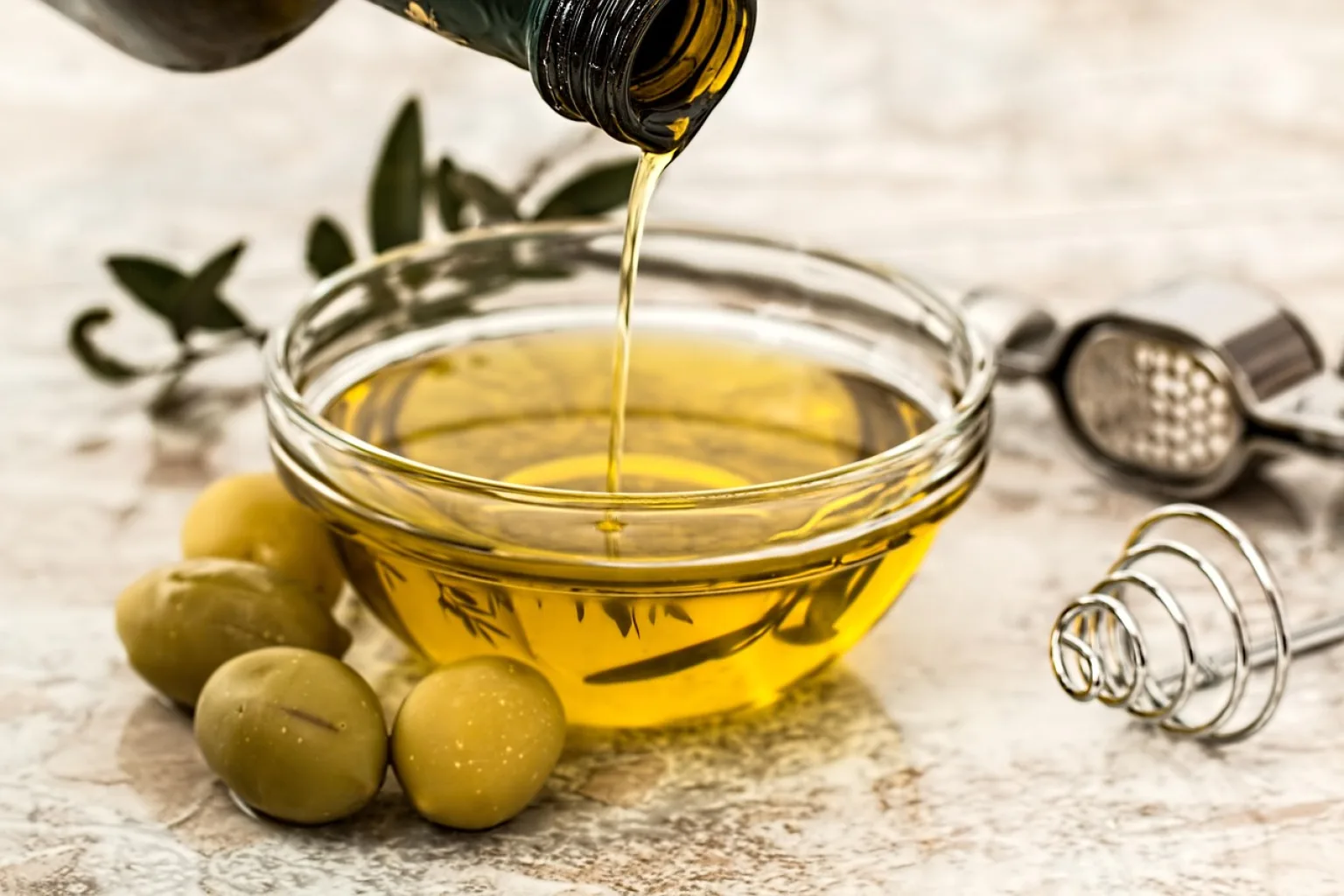
Mild olive oil for batter is a liquid oil used in mixtures such as cakes, breads, pies, and savory pastries. The word “mild” generally signals a less pronounced flavor; in some commercial products, it refers to a blend of refined olive oil and virgin olive oil. The term therefore does not guarantee that every product has the same composition or a completely neutral taste. In batter, the oil supplies fat and can contribute to a tender texture. It is useful when you want olive oil’s qualities to be present without letting its flavor dominate, though the final result also depends on the recipe and the particular oil.
When to use it
Use it when a recipe calls for oil and you want the olive flavor to remain restrained, such as in cakes, tart doughs, bread, or savory pastries. A mild-tasting option can suit batters intended to accompany delicate ingredients or recipes where you prefer a less pronounced oil flavor. In uncooked foods such as dressings, an oil’s character is more noticeable; for batter, choose according to the flavor you want in the finished bake. If the recipe specifies a particular type of oil, follow that direction and consider the effect on flavor before substituting.
How to use it
Measure the amount specified in the recipe. Mix it with the wet ingredients or add it at the stage described by the method, distributing it evenly so that no pocket of oil remains. In cakes, tarts, breads, and savory pastries, olive oil supplies fat and moisture and may contribute its own flavor. A mild variety helps keep that note restrained, but it does not make the batter flavorless by definition. You can also use a small amount to grease a baking mold and, if the recipe calls for it, dust the mold with flour afterward. Avoid changing the quantity by guesswork: oil and other fats can behave differently in a particular formula.
Flavour and texture
Its flavor is generally more delicate than that of a robust olive oil, although a recognizable olive note may remain. Color can range from yellow to green and is not, by itself, a dependable way to predict flavor. In batter, the oil contributes fat and moisture; the finished texture depends on the recipe and mixing method. If you want a nearly neutral result, compare the oil’s flavor rather than relying on the word “mild” alone.
How to choose it
Read the product name and flavor description, since “mild” can refer to oils with different compositions and flavor profiles. If you want an olive oil that will not dominate a batter, choose one described as mild and check that it suits the recipe. Packaging that limits exposure to light helps protect the oil. Do not judge its freshness, quality, or flavor from color alone.
Storage
Keep the oil tightly closed and protected from light and air, such as in its original opaque packaging or a dark bottle. Avoid leaving it near heat, and reseal the container after each use. Follow the storage directions on the label. If its smell or taste changes noticeably, avoid using it in a recipe where the change could affect the result.
Substitutions
You can replace it with another mild-tasting olive oil. Neutral-tasting sunflower oil may also work when the recipe allows a choice of oil, but it will give the batter a different flavor and will not retain olive oil’s characteristic note. Keep to the amount specified in the recipe and expect the flavor to change.
Common mistakes
Do not assume that every product labeled “mild” has exactly the same flavor or composition. Avoid a robust oil when you want a delicate-tasting batter, and do not change the amount without accounting for the recipe. Another common mistake is storing the oil in light or heat, which can affect its qualities.
Safety and allergens
Use the product according to its label and avoid consuming oil with a clearly changed smell or taste. No ingredient-specific safety warning is stated here.
Culinary uses
- Adds fat and moisture to batter
- Provides a mild olive-oil flavor in baked goods
Recommended techniques
- Whisk into wet batter ingredients
- Brush or spread lightly to grease a baking mold
Pairs well with
- Cake and tart batters
- Bread and savory pastry doughs
Frequently asked questions
What does “mild” mean on olive oil?
It usually indicates a less pronounced flavor. The term can apply to different products, so check the product description and label.
Can I use mild olive oil in cake batter?
Yes. It can be used in cake and other baking batters when the recipe calls for oil. It adds fat and moisture and may contribute a restrained olive flavor.
Can I substitute sunflower oil?
A neutral-tasting sunflower oil can work in a recipe that allows a choice of oil. The finished batter will have a different flavor and will not have olive oil’s characteristic note.
Ingredient allergens
Allergen listThere are no verified associations for these ingredients yet.
Sources and review
Automatically researched, cross-checked and validated content. Sources consulted:
- Aceite de Oliva: Tipos, Elaboración y Variedades de Aceitunas | Guía Completa www.elpaladar.es/es/blog/los-diferentes-tipos-de-aceite-de-oliva-y-su-proceso-de-elaboracion
- Qué es eso llamado epistemología, para qué sirve, por qué es inexcusable para la universidad y para la paz | Reencuentro. Análisis de problemas universitarios doi.org/10.24275/uamxoc-dcsh/reencuentro/202386-14
- Comité Científico aesan.gob.es/dam/jcr:a7c4e553-46f5-4def-9ede-b6d1e19b3948/comite_cientifico_42.pdf
- Qué aceite de oliva usar para cocinar: tipos, cómo usarlos y cuándo usar girasol www.directoalpaladar.com/cultura-gastronomica/aceite-de-oliva-la-guia-definitiva-que-varieda…
- Usos del aceite de oliva en la cocina aceitesabril.com/usos-del-aceite-de-oliva-en-la-cocina/
- Quédate en casa y cocina: Masterclases de nuestros chefs www.cordonbleu.edu/madrid/quedate-en-casa-y-cocina-masterclases/es
- Aceite de oliva suave e intenso – Aceite Córdoba aceitecordoba.com/blogs/news/aceite-de-oliva-suave-e-intenso?srsltid=AYCX9vJigsPgWem6lTCwBBo…
- Tipos de Aceite de Oliva y Usos reces.es/tipos-de-aceite-de-oliva-y-usos/?srsltid=AYCX9vJjPF_c91u8-qPjZOqjlpiMAna41p8mJNwu4e…