- Category
- Grains, flour and pasta
- State
- Dry
- Usual unit
- Variable
What it is
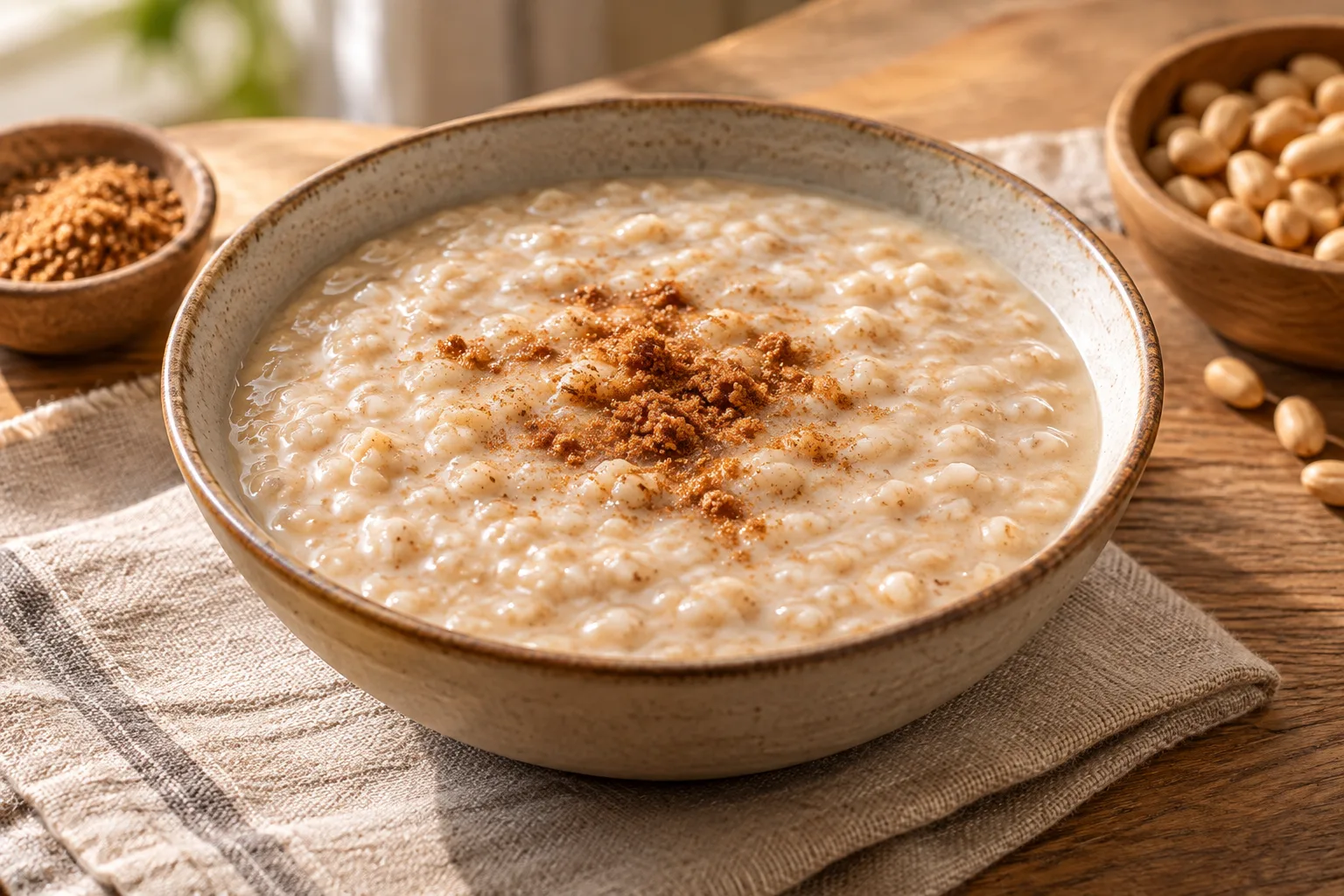
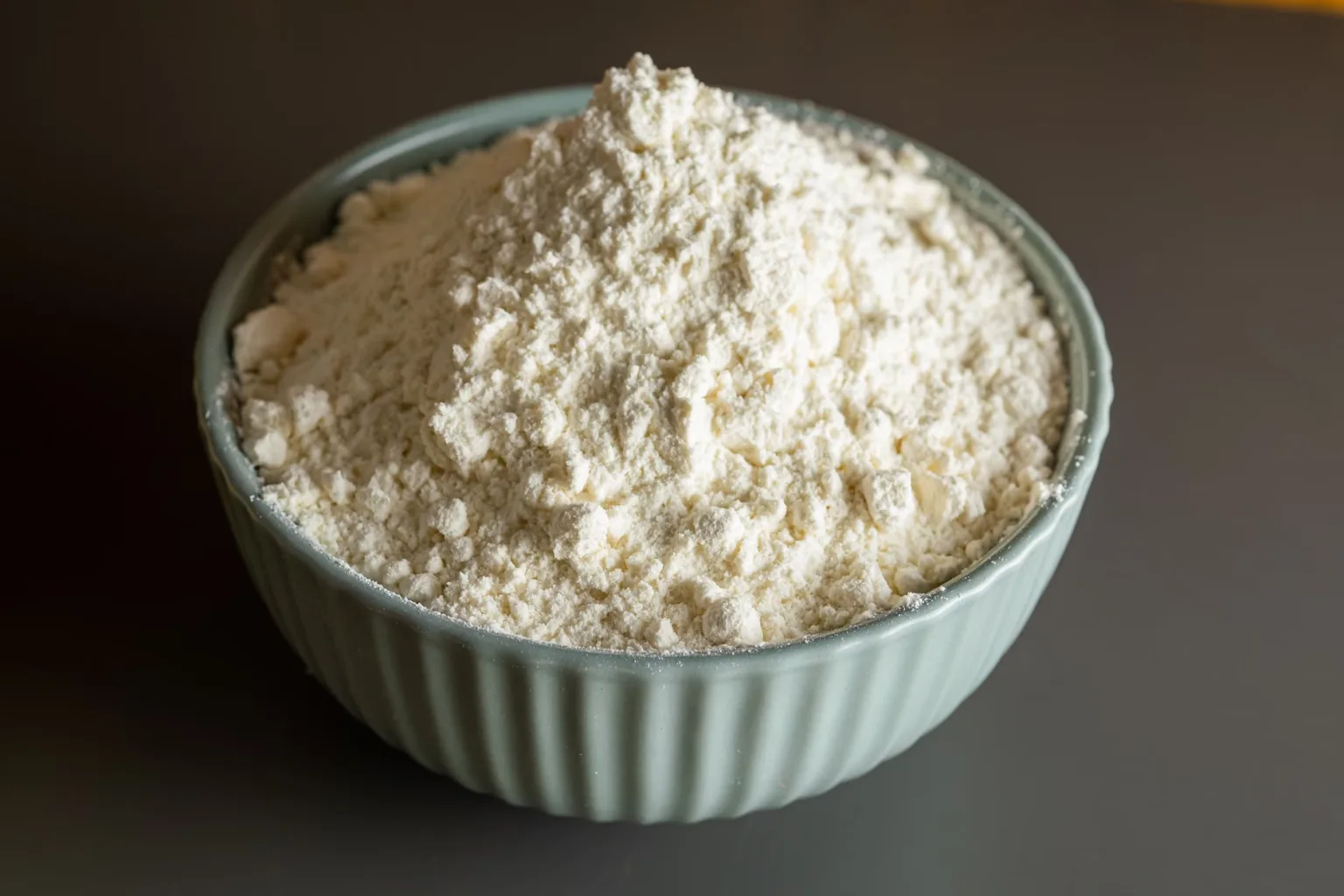
Millet flour is a dry, milled product made from millet grain. It can be used in a range of foods, including porridge, pancakes, flatbreads, breads and baked sweets. Its flavor is generally described as mild and slightly sweet, although the grain and milling process can affect the result. Millet flour does not form the elastic gluten structure associated with wheat flour, so a dough made entirely with millet flour may be fragile or dense. For many baking recipes, it is more practical to use it as one component of a flour blend than to assume it will behave like wheat flour on its own. Check the package for the ingredients and directions for the specific product you buy.
When to use it
Choose millet flour when you want a restrained flavor in a sweet or savory recipe, or when a recipe is already designed for it. It can be used for porridge, pancakes, flatbreads, muffins and other baked foods. It is particularly useful as part of a flour blend, where the other ingredients can help provide the structure and texture a recipe needs. If you want a tall, airy loaf, do not assume millet flour alone will produce that result: the outcome depends on the formula and on the ingredients that provide structure. When replacing another flour, follow a recipe designed for the substitution or begin with a partial replacement.
How to use it
Measure the flour as directed and mix it with the other dry ingredients before adding liquid; sifting or whisking the blend helps distribute it evenly. In bread, pancake and baking recipes, starting with millet flour as part of a blend is generally more dependable than replacing all the flour without adjusting liquid or structure-building ingredients. For porridge, gradually whisk the flour into the liquid while stirring to reduce lumps, then cook to the consistency specified in the recipe. In flatbreads and pancakes, add liquid gradually because absorption varies with the grind and the flour blend. Follow the timing and temperature in the recipe you are using; there is no single cooking schedule for every millet flour preparation.
Flavour and texture
Millet flour is usually mild, slightly sweet and not strongly flavored, so it can suit both sweet and savory foods. It has a fine, powdery texture, though the grind can differ between products. In baked goods, it may produce a more crumbly or dense result when used alone; the final texture depends on the recipe and the other flours used. Different products may not behave identically.
How to choose it
Choose a well-sealed package and check the label to confirm that it is millet flour and to see its ingredients. Milling and processing vary, so a fine flour and a coarser one may behave differently in a batter or dough. If you need to avoid a particular ingredient for dietary reasons, check the specific product label and any cross-contact information rather than relying on the ingredient name alone.
Storage
Keep millet flour in a clean, dry, tightly closed container in a cool place away from direct sunlight. Flour generally keeps for less time than whole grain and may deteriorate more readily if it retains some of the germ. Keep moisture out and follow the package instructions, especially after opening. Do not use it if its smell or appearance has changed noticeably.
Substitutions
Sorghum flour and brown rice flour can be options in some blends; quinoa flour may also work when its more pronounced flavor suits the recipe. These are not universal one-for-one replacements and do not guarantee the same texture. Use a formula designed for the alternative or test a partial substitution first, since absorption and binding vary.
Common mistakes
A common mistake is replacing all the flour in a recipe with millet flour and expecting the same elasticity, rise and cohesion. Adding it all at once to liquid can also make lumps in softer preparations. Mix dry ingredients first and adjust a formula gradually; do not assume every grind will behave the same way.
Safety and allergens
Keep the flour dry and follow the storage instructions on its package. If you need to avoid an ingredient or possible cross-contact, check the specific product label before use.
Culinary uses
- Flour for breads, cakes and other baked goods
- Ingredient for porridges and flatbreads
Recommended techniques
- Whisk or sift into a blend with other flours before adding liquid
- Cook with liquid as a porridge, stirring to limit lumps
- Use in doughs and batters for baked goods
Pairs well with
- Other flours in baking blends
- Sweet preparations such as cakes and porridges
- Savory preparations such as flatbreads and breads
Frequently asked questions
What can I make with millet flour?
It can be used for porridge, pancakes, flatbreads and sweet or savory baked goods. In many recipes it is easiest to use as part of a flour blend.
Can I replace all the flour in a recipe with millet flour?
Not always. It can change the structure and texture, so use a recipe designed for millet flour or try a partial replacement first.
How should I store millet flour?
Keep it tightly closed, dry and away from direct sunlight, and follow the instructions on the package.
Ingredient allergens
Allergen listThere are no verified associations for these ingredients yet.
Estimated nutrition
- Fat
- 4.25 g
- Saturates
- 0.54 g
- Carbohydrate
- 75.1 g
- Sugars
- 1.66 g
- Fibre
- 3.5 g
- Protein
- 10.8 g
- Salt
- 0.01 g
Sources and review
Automatically researched, cross-checked and validated content. Sources consulted:
- ¿Por qué la muerte es origen de miedos y tabúes? doi.org/10.64628/aao.fccyk3qj3
- Evaluación de harina de amaranto como ingrediente antioxidante para la preparación de matrices alimentarias funcionales doi.org/10.35537/10915/162211
- Washington State Food Access English-Spanish Glossary wpcdn.web.wsu.edu/wp-snaped/uploads/sites/2/2025/10/Food-Access-Spanish-Glossary.pdf
- Aplicaciones de la Biotecnología en Seguridad Alimentaria aesan.gob.es/dam/jcr:2eecb52a-e252-4339-b93a-db3e3c7faab6/biotecnologia.pdf
- NUTRITION IN ACTION Beans & Peas • Frijoles & ... www.stonybrookmedicine.edu/sites/default/files/Grocery_List_FAM.pdf
- Usos del mijo como alimento – Botanical-online www.botanical-online.com/alimentos/mijo-cereal-usos-conservacion
- Zea mays - Wikipedia, la enciclopedia libre es.wikipedia.org/wiki/Zea_mays
- Desarrollo de recetas de pastelería aplicando siete harinas alternativas | OpenAlex openalex.org/W2184517806
- Harina de Sorgo para Uso en la Industria de la Panificación digitalcommons.unl.edu/cgi/viewcontent.cgi?article=1035&context=intsormilpubs
- Food & Fun Afterschool - Whole Grains Parent Handout hsph.harvard.edu/wp-content/uploads/2024/10/Food-Fun-Parent-Handout-Whole-Grains.pdf
- Elaboración de pastas artesanales con ocho tipos de harinas y su aplicación en nuevas recetas | OpenAlex openalex.org/W2197804739
- ▷ Harina de MIJO 【 Propiedades Beneficios Usos 】 ¿Sin Gluten / TACC? www.singlutensalud.com/dieta-sin-gluten/tipos-harinas-sin-gluten/harina-mijo/
- Sustituto de harina de mijo - Scoolinary www.scoolinary.com/es/forums/discussion/sustituto-de-harina-de-mijo
- Resumen de alternativas a la harina sin gluten | GluteoStop www.google.com/goto?url=CAES1QEB6zswFaZYODvdXC25Q_iQhXbZFGdB8RWCTKq2YiHgc8XqI_1l5VBcZ4rr8zj4…