- Category
- Fish and seafood
- State
- Fresh
- Usual unit
- kg
What it is
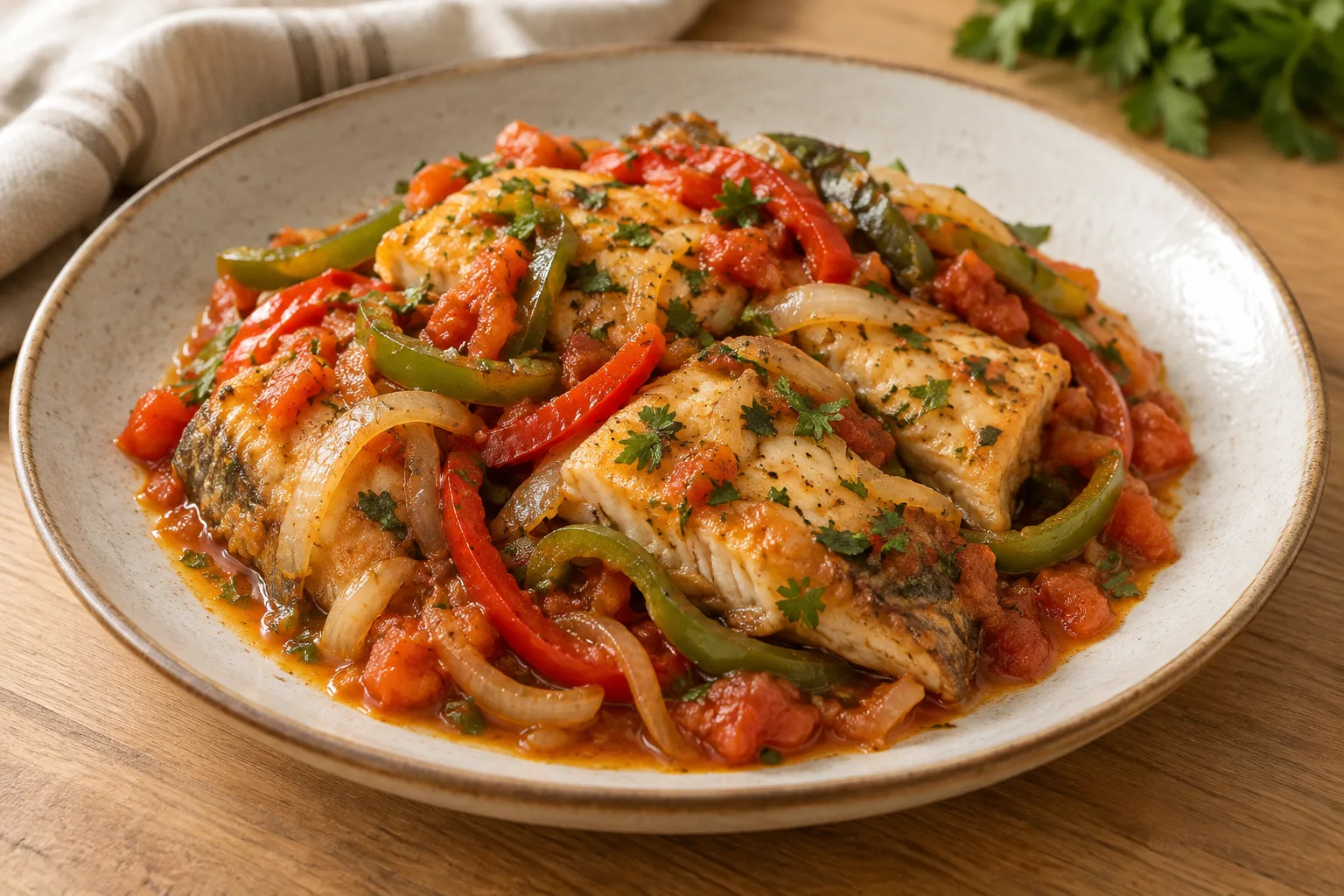
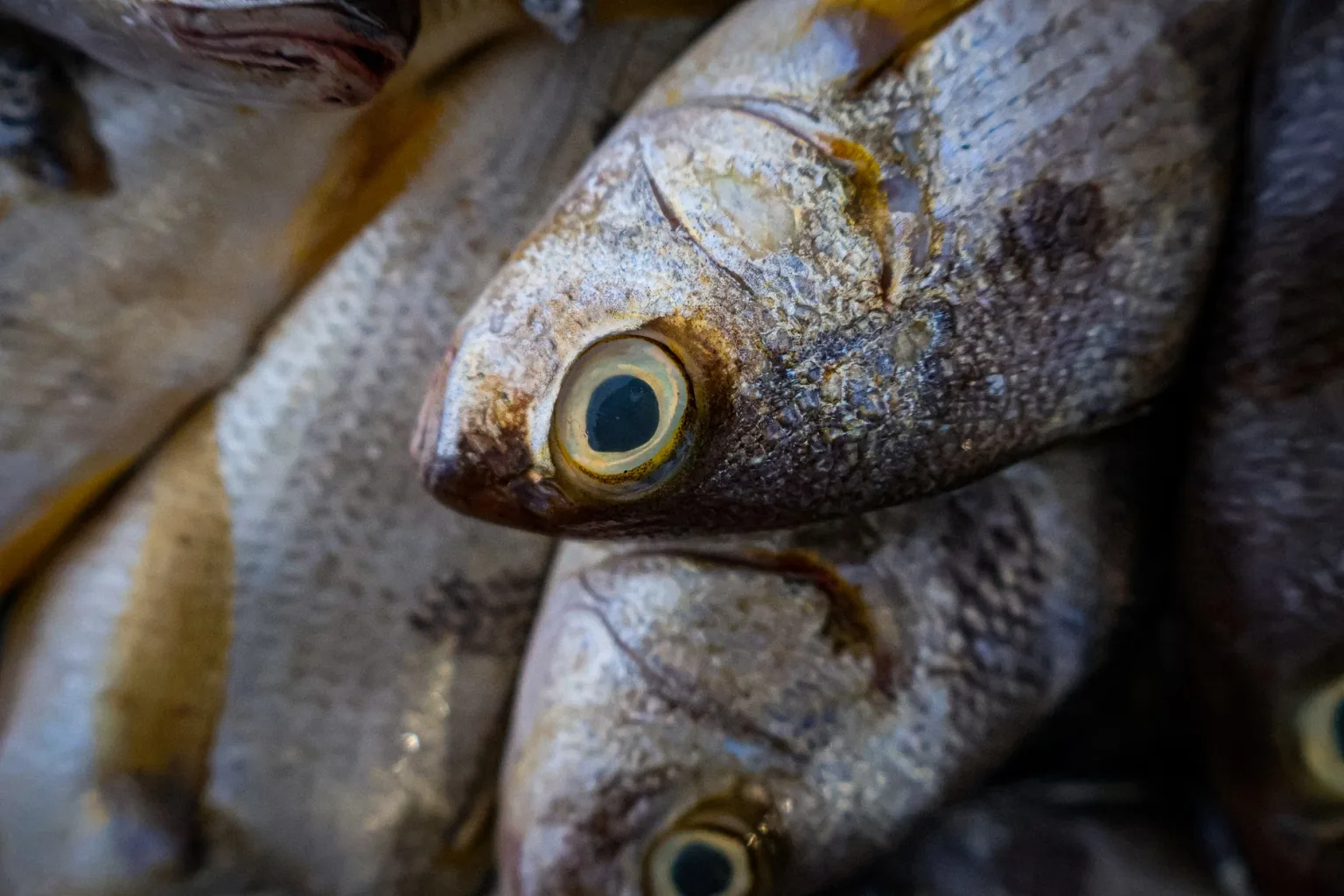
Mukeke is the local name for a freshwater fish caught in Lake Tanganyika. It is especially associated with the lakeside cuisine of Burundi. The available information describes its flesh as firm, but does not identify a confirmed scientific species, so it is best to use the name mukeke rather than assign an unverified taxonomic name. It is prepared in more than one way: grilling and cooking in sauce are distinct options. It is often served with a staple food on the side instead of being combined with it in a single dish. Preparation, portion size, and whether the fish is served whole or in pieces can vary.
When to use it
Choose mukeke when you want a freshwater fish main course, particularly for grilling or cooking in sauce. The firm flesh described for this fish makes grilling a common preparation; a sauced version offers a different way to serve it, with the sauce ingredients identified separately. It can be served with a staple food or vegetables on the side. Before buying or ordering, confirm what fish is being sold as mukeke and whether it is available whole or portioned. There is no information here that establishes a fishing season.
How to use it
Prepare mukeke on the grill or cook it in sauce, depending on the dish you want to make. If you buy it whole or in pieces, confirm the format before you begin and plan the presentation accordingly. For a grilled version, serve the fish hot and offer any staple food or vegetables separately. For a sauced version, describe the sauce ingredients as part of the preparation, not as characteristics of the fish itself. Onion, lemon and salt are listed as ingredients in one described preparation, but recipes can vary; tailor the accompaniments to the specific recipe. No cooking times or temperatures are provided, so follow reliable instructions suited to the cut and equipment you are using.
Flavour and texture
Firm flesh is the texture characteristic given for mukeke, making it suitable for serving grilled or in a sauced preparation. The available information does not describe its flavor, aroma, fat content, or differences between sizes and cuts in detail. It is therefore best not to assume that every piece will have an identical profile. Sauce and side dishes contribute their own flavors; consider their ingredients when seasoning or presenting the fish.
How to choose it
Ask the seller whether the fish is identified as mukeke and what form is available: whole or portioned. The name refers to a freshwater fish from Lake Tanganyika, but the available information does not confirm a scientific species. Check how much your recipe needs and whether the fish is being sold fresh. If it comes with sauce, ask about those ingredients separately; the fish’s name does not specify what the accompaniment contains. As this is fish, also check allergen and cross-contact information when relevant to you.
Storage
The available information does not provide a storage life or specific storage instructions for mukeke. If you buy it fresh, ask the seller how to store that product and follow your local official food-safety guidance. Do not infer a use-by date from the fish’s name or preparation style. Keep any package instructions and follow them; if you are unsure about the fish’s condition, ask the seller before using it.
Substitutions
If mukeke is unavailable, consider another firm-fleshed fish for grilling or cooking in sauce. Firmness is the available culinary characteristic to guide that choice, but the result will not necessarily be identical. A substitute may differ in flavor, size and form, so adjust the recipe and confirm that the chosen method suits that fish. No exact equivalent is established.
Common mistakes
Do not present mukeke as a confirmed scientific species if you cannot verify its identity. Do not assume every preparation has the same ingredients: grilled fish and fish cooked in sauce are different versions, and the sauce should be described separately. Avoid assuming it is always served whole, as fillets, or with a particular side; confirm the format and accompaniments.
Safety and allergens
Mukeke is fish and is unsuitable for people with a fish allergy. If an allergy is relevant, confirm the ingredients and possible cross-contact with the person preparing or selling the dish.
Culinary uses
- Main-course fish
- Grilled fish
Recommended techniques
- Grilling
- Cooking in sauce
Pairs well with
- A staple food, served separately
- Vegetables
- Onion and lemon
Frequently asked questions
What is mukeke?
It is a freshwater fish caught in Lake Tanganyika and especially associated with the lakeside cuisine of Burundi.
How is mukeke usually cooked?
It is often grilled and can also be cooked in sauce. These are different preparations, and a sauce may contain additional ingredients.
What is mukeke served with?
It is often served with a staple food on the side. Vegetables may also be served alongside it, depending on the preparation.
Ingredient allergens
Allergen listThere are no verified associations for these ingredients yet.
Sources and review
Automatically researched, cross-checked and validated content. Sources consulted:
- ¿Por qué la muerte es origen de miedos y tabúes? doi.org/10.64628/aao.fccyk3qj3
- Client Challenge doi.org/10.2307/jj.27939689.16
- ¿Qué es el maridaje de sabores? - Hostelería Benidorm www.hosteleriabenidorm.com/2024/11/15/maridaje-de-sabores-que-es/
- Tipos de Maridaje: de afinidad o contraste | Bartalent Lab www.bartalentlab.com/academy/tecnicas-sala-barra/clases-maridaje-combinacion-comida-bebida
- Qué es el maridaje: tipos y consejos - Brandy Fundador brandyfundador.com/actualidad/blog/que-es-el-maridaje/
- - YouTube www.youtube.com/watch?v=j7j5mXykpgY
- La guía práctica para un buen maridaje - Industrias Espadafor S.A. espadafor.es/guia-para-un-buen-maridaje/
- Zumaque o sumac, la especia imprescindible de Oriente Medio: qué es, a qué sabe y cómo usarla en la cocina www.directoalpaladar.com/ingredientes-y-alimentos/zumaque-sumac-especia-imprescindible-orien…
- El Zumaque, una especia desconocida pero con gran potencial culinario | Hostelería Salamanca www.hosteleriasalamanca.es/noticias-hosteleria/agosto-2022/zumaque-especia-desconocida-gran-…
- Maridajes poco habituales perfectos para winelovers - CestaShop cestashop.com/blog/maridajes-poco-habituales/
- Mukeke: origen, ingredientes y alérgenos www.menuella.com/es/food-wiki/mukeke
- Zumaque, la especia rojiza que conquista la cocina gourmet | Excelencias Gourmet www.excelenciasgourmet.com/es/producto/zumaque-especia-tendencia
- Furikake: qué es, cómo usarlo y dónde comprarlo - Oriental Market www.orientalmarket.es/furikake/?srsltid=AYCX9vLFjP5mCUbHCH2fYr5BYVqGDsGmEd4S6OVjAi0cZ30u_ZHo…
- Qué es el maridaje: El arte de lograr la armonía perfecta entre gastronomía y bebida | Grupo Dani García grupodanigarcia.com/que-es-el-maridaje/?srsltid=AYCX9vJxzbAtV2RxsaLl267nQVUSFMhCMnwbw_gsp6kU…
- Food allergen labelling and information requirements technical guidance - GOV.UK www.gov.uk/government/publications/food-allergen-labelling-and-information-requirements-tech…