- Category
- Sauces and condiments
- State
- Paste
- Usual unit
- g
What it is
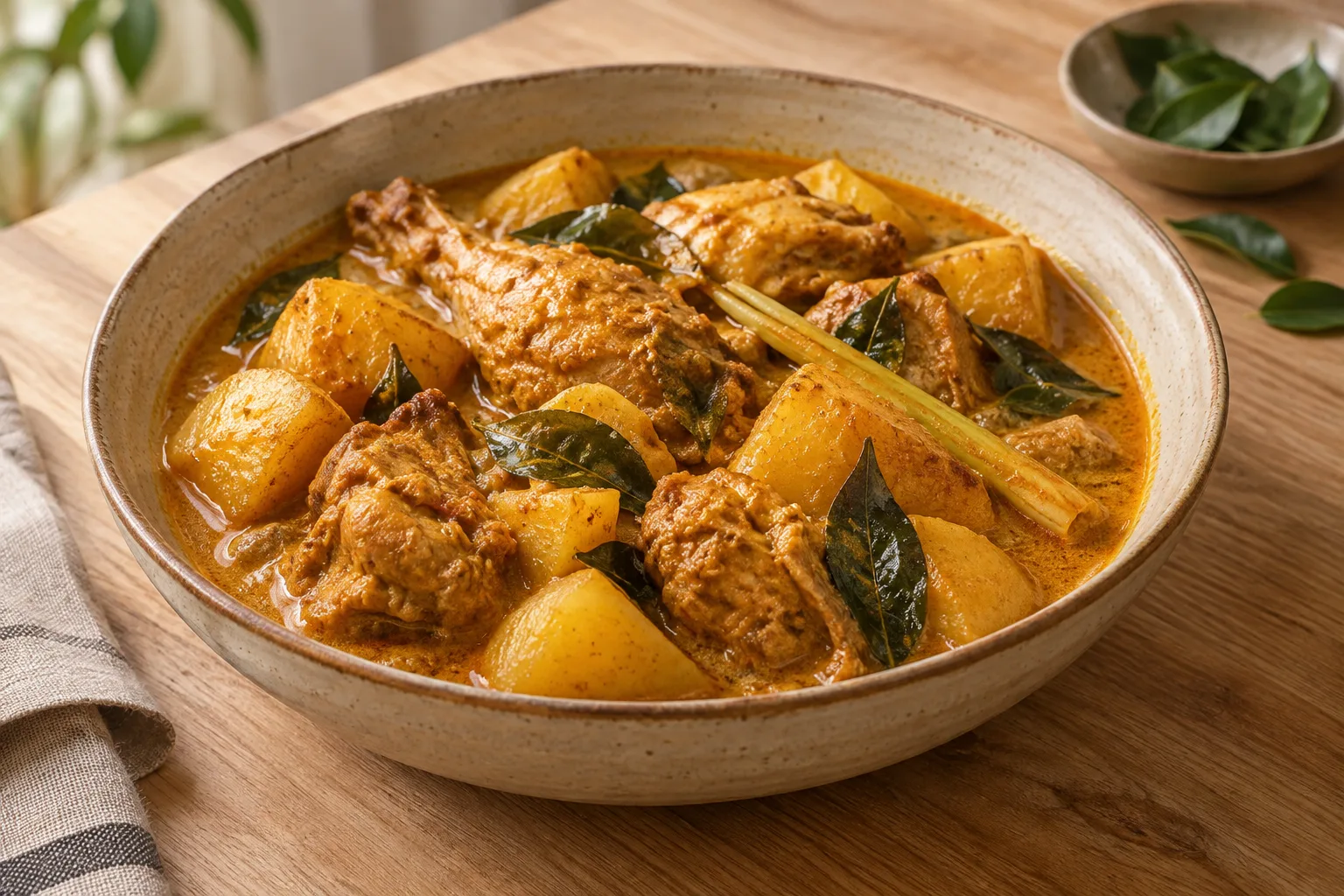
Nyonya curry paste is an aromatic paste used as a flavor base in Nyonya, or Peranakan, cooking. It may also be called rempah, a term associated with a spice paste. There is no single fixed recipe: depending on the maker or regional style, it may include shallots, garlic, ginger, lemongrass, chile and sometimes belacan, or shrimp paste. The flavor, heat and possible allergens therefore depend on the particular product. It should not automatically be treated as interchangeable with curry pastes from other culinary traditions.
When to use it
Use it when you want an aromatic, spiced foundation for a noodle soup such as laksa, or for a Nyonya-style curry or broth. It is useful early in cooking, before adding liquid, so its aroma can become part of the dish. Since formulations vary, begin with a modest amount and adjust after tasting. If you want a distinctly sour, creamy or especially hot result, check whether the paste and the other ingredients actually provide that profile rather than assuming every Nyonya paste tastes the same.
How to use it
Read the label and take the paste's heat and saltiness into account before adding it. For a curry or soup base, cook it in oil until aromatic; then add coconut milk, water or another liquid called for in the recipe and let the flavors come together. In laksa, the paste can form part of the broth base, with noodles and other ingredients added afterward. Add it gradually: formulations are not uniform, and a concentrated paste can dominate a dish. If it contains belacan or shrimp paste, remember that it contains crustaceans.
Flavour and texture
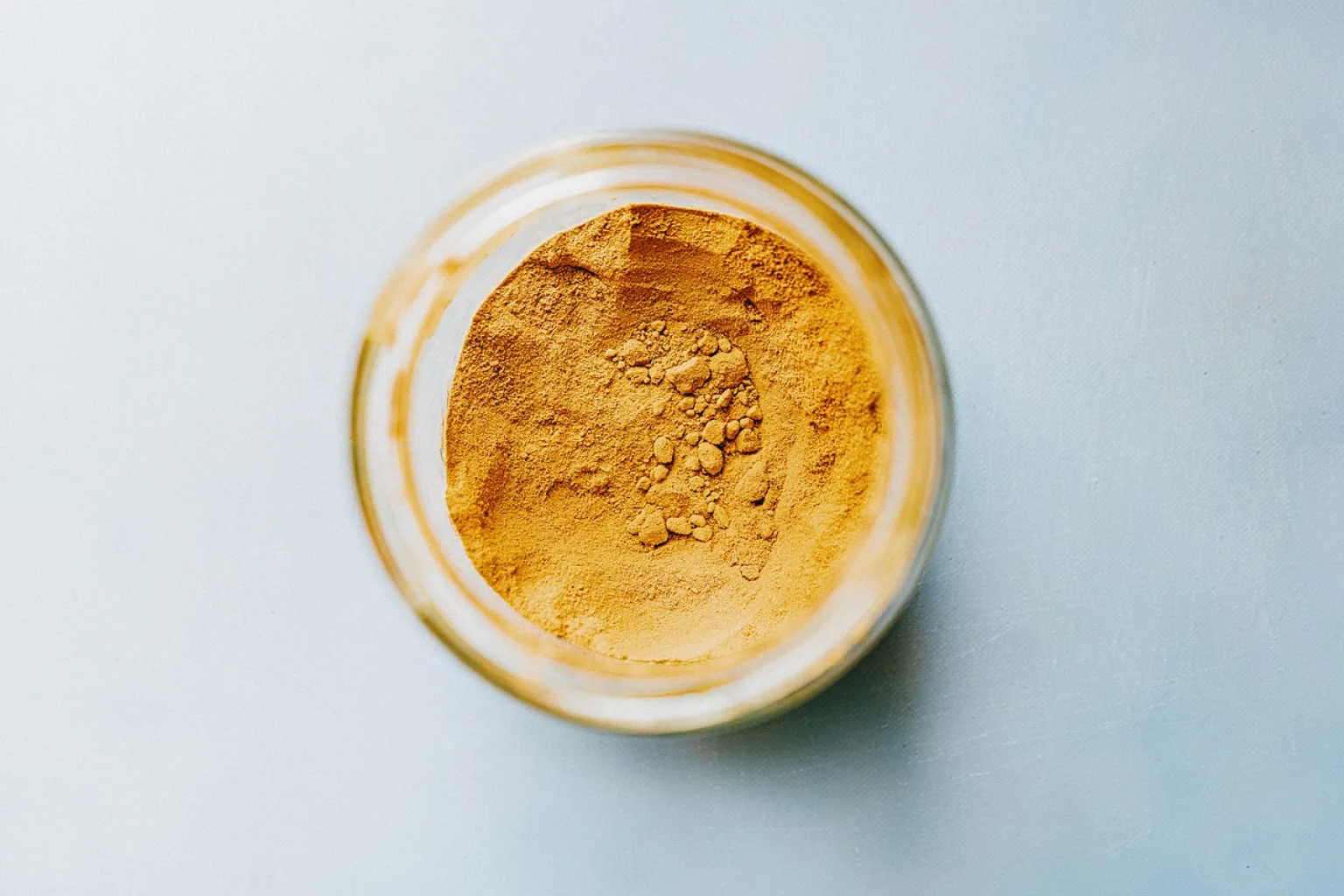
Nyonya curry paste is generally a thick, ground or blended paste with a pronounced herbal and spiced aroma. Depending on its ingredients, it may taste spicy, chile-hot, citrusy or salty; some versions include chile, lemongrass, ginger and shrimp paste. Do not assume every product has the same heat, texture or flavor balance. Check the ingredient list and taste a small amount as you cook.
How to choose it
Look for a product identified as Nyonya paste or rempah and read the full ingredient list, since recipes vary. Check whether it contains chile, belacan or shrimp paste, and follow the package's intended-use directions. If you need a particular profile, such as mild heat or no crustaceans, do not rely on the name or color alone; confirm the ingredients on the label.
Storage
Follow the storage instructions on the package, including any directions for the product after opening. There is no single storage period established here for all Nyonya pastes, whose recipes and packaging can differ. Keep the container closed when not in use, and do not assume that a fresh, refrigerated or packaged paste keeps in the same way as another product.
Substitutions
There is no exact replacement that works for every Nyonya paste, because the ingredients can differ. You could use another rempah whose listed ingredients suit the dish, or make an aromatic blend from suitable ingredients such as shallot, garlic, ginger, lemongrass and chile. The result will not necessarily match the original: adjust the quantity and allow for changes in heat, saltiness and aroma.
Common mistakes
Do not assume all Nyonya pastes share one recipe, heat level or saltiness, or that they can replace any curry paste. Avoid adding a large amount at once: work gradually and taste the dish. Also check for belacan or shrimp paste before serving it to someone with a crustacean allergy.
Safety and allergens
Check the label: some pastes may contain belacan or shrimp paste, which are crustacean ingredients. If an allergy is a concern, confirm the complete ingredient and allergen information on the specific package; do not assume another variety is free from them.
Culinary uses
- Aromatic flavor base for laksa and other Nyonya-style dishes
- Seasoning paste for coconut-based curries and broths
Recommended techniques
- Sauté or cook in oil until aromatic
- Simmer with coconut milk or water as a dish base
Pairs well with
- Coconut milk
- Noodles, vegetables, tofu, chicken or prawns
Frequently asked questions
Are Nyonya curry paste and rempah the same thing?
Rempah is a name for an aromatic spice paste that can form the base of Nyonya dishes, including laksa. Specific recipes and ingredients vary.
How do I use it in soup or curry?
Cook it in oil until aromatic, then combine it with the liquid in the recipe, such as coconut milk or water. Adjust the amount to the product and taste as you go.
Does it always contain shrimp?
Not necessarily. Some recipes include belacan or shrimp paste, while others may not. Check the ingredient list and allergen information for the specific product.
Ingredient allergens
Allergen listThere are no verified associations for these ingredients yet.
Sources and review
Automatically researched, cross-checked and validated content. Sources consulted:
- ¿Por qué la muerte es origen de miedos y tabúes? doi.org/10.64628/aao.fccyk3qj3
- All About Laksa Noodles | Institute of Culinary Education www.ice.edu/blog/laksa-noodles
- Spice Up Your Life | Columbia College Today www.college.columbia.edu/cct/issue/winterspring-2023/article/spice-your-life
- Ontology and Ethics in the Malaysian Halal Ecosystem By etd.library.emory.edu/downloads/t435gf23h?locale=fr
- Singapore Restaurant Near Me ~ cms.ncwc.edu cms.ncwc.edu/singapore-restaurant-near-me/
- Pasta de Curry: Tipos y usos - Blog de La Parada de las Especias comprarespecias.net/blog/pasta-de-curry/?srsltid=AYCX9vKT4uP-b-VUqb4QKDDVX_7b2QtZ83KTr8sosfT…
- Cocina Nyonya, fusión de China y Malasia | Excelencias Gourmet www.excelenciasgourmet.com/es/tradiciones/cocina-nyonya-mestizaje-gastronomico-entre-china-y…
- Cocina peranakan - Wikipedia, la enciclopedia libre es.wikipedia.org/wiki/Cocina_peranakan
- ¿Para qué sirve la pasta de curry? comocomofoods.com/blog/para-que-sirve-pasta-curry/
- Pasta de Curry Amarillo: Análisis y Comparativa de las Mejores Opciones Asiáticas para Cocinar en Casa sukimotril.es/pasta-curry-amarillo/
- - YouTube www.youtube.com/watch?v=tMcBXy-HSYE
- La cocina Nyonya/Peranakan de Malasia | Verparacomer blogverparacomer.wordpress.com/2011/12/02/la-cocina-nyonyaperanakan-de-malasia/