- Category
- Oils and fats
- State
- Liquid
- Usual unit
- tablespoon
What it is
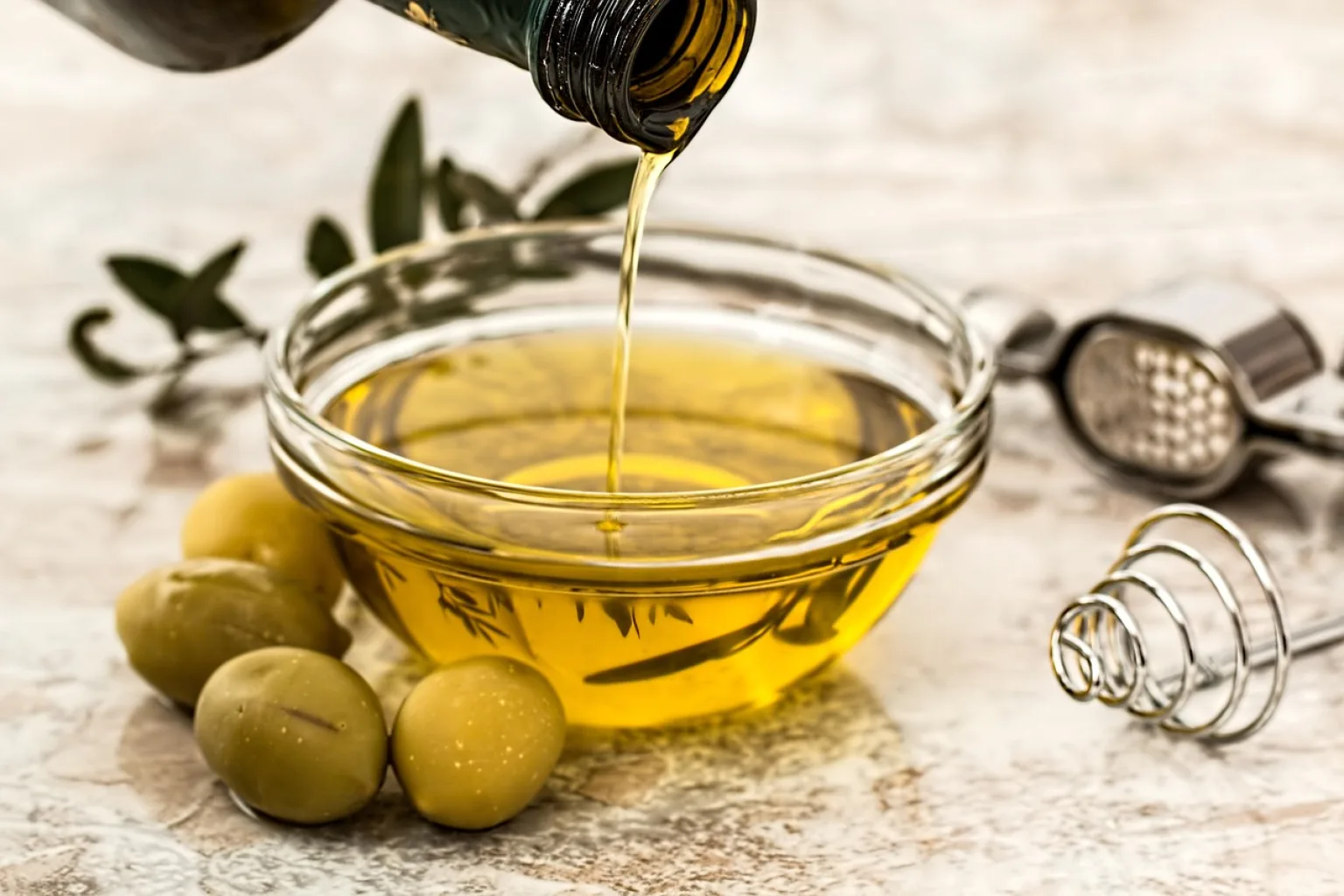
“Oil for stew” describes a role in a recipe, not one specific variety of oil. It could be olive oil, sunflower oil, or another edible oil suitable for cooking. Oil helps transfer heat and lubricate the pan or pot, and it can also contribute its own aroma and flavor. Choose it with the recipe in mind: a more pronounced oil may round out a dish, while a neutral one is less likely to compete with the other ingredients. The product label and type matter; oils do not all have the same flavor profile or intended uses.
When to use it
Use oil when a recipe calls for sautéing ingredients before adding liquid, or when a small amount of fat is needed to start cooking. For a delicate stew, a neutral-tasting oil can avoid overpowering the other ingredients. If you want the oil to contribute to the dish’s flavor, choose one with a more noticeable profile, such as olive oil. The choice depends on the result and on the particular oil; there is no single oil required for every stew.
How to use it
Measure the amount stated in the recipe, or use enough to lightly coat the bottom of the pot if no amount is given. Heat the oil attentively and add any ingredients that need sautéing, stirring as the recipe directs. Then continue with the remaining ingredients and cooking liquid. A more flavorful oil can add character; a neutral one leaves more room for the other flavors. Follow the recipe and the oil’s package directions: the phrase “oil for stew” does not, by itself, specify a cooking temperature or time.
Flavour and texture
Oil adds a smooth, coating quality to ingredients. Its flavor depends on the type: olive oil may taste fruity or more robust, while sunflower oil is generally more neutral. The amount also affects the finished dish. Oil should support the stew’s flavor, not mask it or leave the dish excessively greasy.
How to choose it
Read the product name and label to identify the oil and any suggested uses. Choose a neutral profile if you do not want the fat to stand out, or olive oil if you want a more noticeable flavor. Do not assume all oils are interchangeable in taste or that price alone determines the best choice; start with the result you want for the stew.
Storage
There is no single storage period that applies to every oil, since products and packaging can differ. Check the storage directions and date on the label, and close the container after pouring. For a blend or a particular variety, follow that product’s instructions rather than assuming all oils should be stored in exactly the same way.
Substitutions
You can replace one cooking oil with another edible oil, but the finished flavor may change. Olive oil is an alternative when you want a more pronounced note; sunflower oil may suit a more neutral result. Consider the oil’s stated use and the flavor that best fits the stew.
Common mistakes
A common mistake is choosing oil without considering its flavor: a robust oil may dominate a delicate stew, while a neutral one adds less character. It is also unwise to assume that every oil has identical culinary uses. Follow the recipe and check the directions for the product you choose.
Safety and allergens
Use only oil intended for food and follow the package directions. Take care when handling hot oil, and do not leave the pot or pan unattended while cooking.
Culinary uses
- Cooking fat for sautéing and stewing
- Helps carry heat and can add its own flavor to a dish
Recommended techniques
- Sautéing or making a sofrito
- Cooking in a stew or braise
Pairs well with
- Vegetables and aromatics cooked as the base of a stew
- Other ingredients in a stew whose flavor should remain prominent
Frequently asked questions
Which oil is best for a stew?
It depends on the flavor you want. Olive oil can add more character, while a neutral-tasting oil lets the other ingredients stand out.
Can I use sunflower oil in a stew?
Yes. It can be an option when you prefer the oil not to add a strong flavor. Check the product’s stated uses.
Is “oil for stew” a specific type of oil?
Not necessarily. It describes a use in a recipe rather than a particular variety; it can refer to different edible oils suitable for cooking.
Ingredient allergens
Allergen listThere are no verified associations for these ingredients yet.
Sources and review
Automatically researched, cross-checked and validated content. Sources consulted:
- Client Challenge doi.org/10.2307/j.ctvndv9t9.22
- Eating Spain: National Cuisine Since 1900 - UKnowledge uknowledge.uky.edu/context/hisp_etds/article/1031/viewcontent/Eating_Spain_National_Cuisine_…
- ¿Qué aceite uso para cada plato? | El Comidista | Gastronomía | EL PAÍS elpais.com/gastronomia/el-comidista/2020/09/09/articulo/1599665045_603630.html
- Conoce los tipos de aceite para cocinar | Recetas Nestlé www.recetasnestle.com.ec/escuela-sabor/coccion/tipos-aceite-para-cocinar
- Tipos de aceite: cuál elegir para cocinar, freír, aliñar o dar sabor www.abc.es/recetasderechupete/tipos-de-aceite-cual-elegir-para-cocinar-freir-alinar-o-dar-sa…
- Vamos a Conservar Alimentos: La liofilización extension.psu.edu/vamos-a-conservar-alimentos-la-liofilizacion/
- okra | UNL Food food.unl.edu/taxonomy/term/1072/