- Category
- Oils and fats
- State
- Other
- Usual unit
- tablespoon
What it is
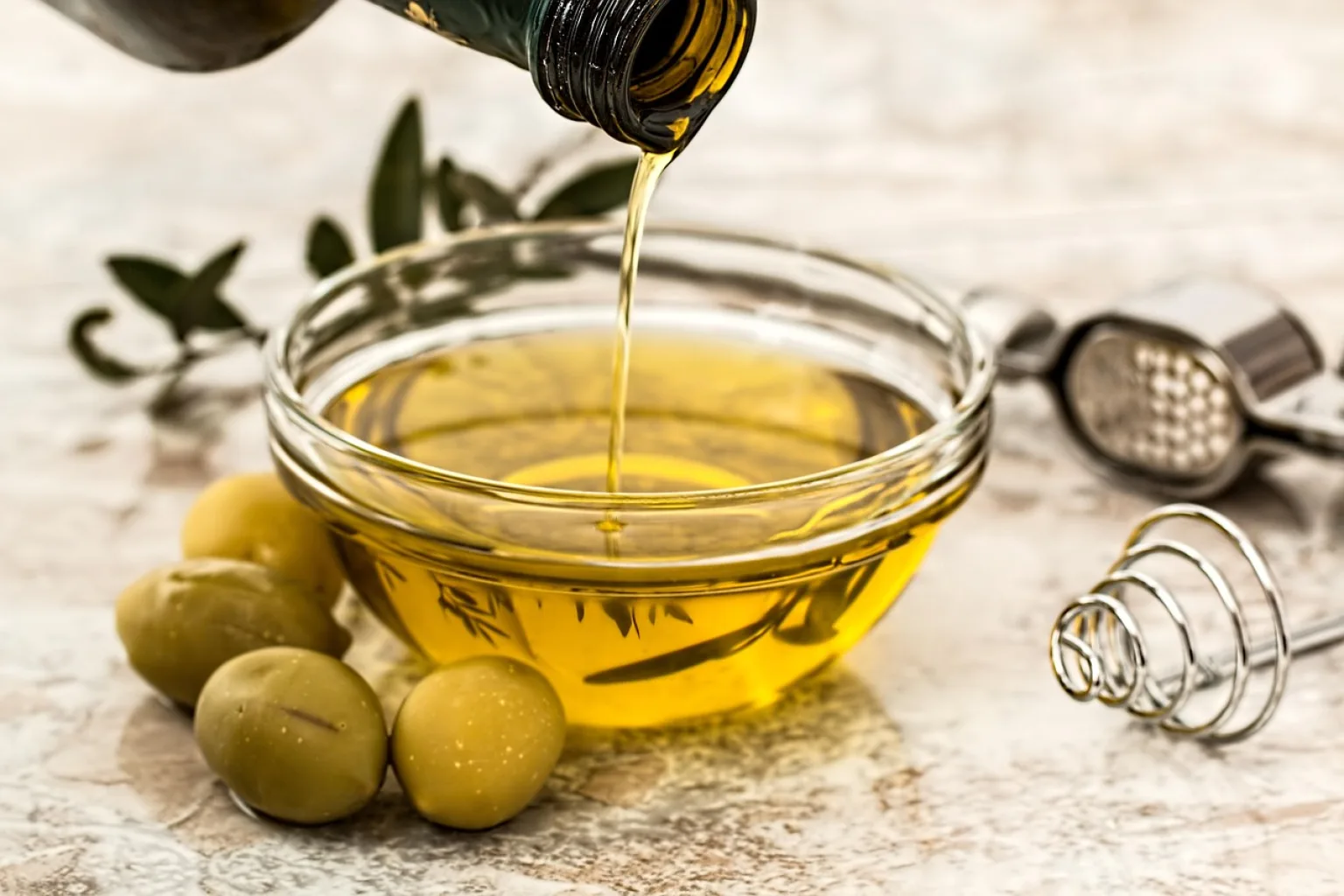
“Oil or ghee” refers to two cooking-fat options, not one uniform ingredient. Oils can differ in source, flavor and behavior when heated. Ghee, also called clarified butter, is made from butter and processed to remove nearly all its water and non-fat milk solids. It typically has a more toasted character than a neutral oil. Because oils and ghee products vary, check the specific label and choose each one for the cooking task rather than assuming every option performs the same way.
When to use it
Use oil or ghee when a dish needs fat for sautéing, frying, cooking vegetables or rice, or when you want added richness and flavor. A mild-tasting oil can let other ingredients stand out, while ghee brings a toasted note that can suit spiced dishes, grains and legumes. Either may replace another fat in some baked goods, but results can vary. Match the fat to the cooking method and product directions, and do not heat it until it smokes.
How to use it
Measure the amount required and add it to the pan or other cooking vessel called for in the recipe. For sautéing vegetables, rice or spices, warm the fat moderately and add the ingredients when ready; do not let it smoke. Oil or ghee can also be used for frying and stir-frying, bearing in mind that oils differ in flavor and ghee adds toasted notes. In baking, replacing butter or oil can change aroma and texture, so follow the recipe where possible and assess the result. Store the product according to its label.
Flavour and texture
Oil may taste neutral or pronounced depending on its type; it is usually liquid, although some oils change appearance when cold. Ghee is clarified dairy fat and typically has a toasted flavor, sometimes described as nut-like. It is not the same as a plant oil, so it will not always provide the same aroma or result in a recipe.
How to choose it
Choose an oil for its flavor and the uses stated on the label; not every oil suits every cooking method equally. For ghee, check that the container clearly identifies the product and lists its ingredients. If you have a milk allergy, do not assume ghee is allergen-free: it is made from butter, so check the product information and seek reliable confirmation before using it.
Storage
Keep oil tightly closed and away from heat, air and light in a cool, dark place; replace it if it develops a bitter or unpleasant odor. For ghee, follow the storage directions on the container and avoid introducing wet or unclean utensils. Recommended conditions can differ between products, so do not assume that every ghee product does or does not require refrigeration.
Substitutions
In many dishes, ghee can be replaced with a mild-tasting oil, or vice versa, but the aroma and sometimes the texture will change. In baking, a substitution may affect the result; follow recipe guidance when available. Choose a fat suited to the method, and do not assume all fats tolerate the same heating.
Common mistakes
A common mistake is treating every oil as if it had the same flavor and behavior when heated. Avoid heating fat until it smokes, since overheating can break it down and create unpleasant flavors. Do not assume ghee is suitable for someone with a milk allergy just because it has been clarified.
Safety and allergens
Avoid heating oil or ghee until it smokes: overheating can break down the fat and create unpleasant flavors. Handle hot fat carefully to prevent splashes. Ghee is made from milk; if you have a milk allergy, check the label and do not automatically consider it safe.
Culinary uses
- Cooking fat for sautéing, stir-frying and frying
- Flavoring and enriching savory or sweet dishes
Recommended techniques
- Sautéing
- Stir-frying
- Frying
- Baking
Pairs well with
- Rice and other grains
- Vegetables
- Legumes
- Spices and aromatics
Frequently asked questions
Are oil and ghee the same thing?
No. Oils can come from different sources, while ghee is clarified dairy fat. They can have similar cooking uses, but their flavor and results differ.
Can I sauté with ghee?
Yes. Ghee can be used for sautéing and other cooking. Avoid heating it until it smokes, and remember that it adds a toasted flavor.
Is ghee suitable for someone with a milk allergy?
Do not assume it is. Ghee is made from butter, so someone with a milk allergy should check the label and avoid it unless its safety is confirmed.
Ingredient allergens
Allergen listDepends on the product
-
Milk and milk products
Oil or ghee
Sources and review
Automatically researched, cross-checked and validated content. Sources consulted:
- Client Challenge doi.org/10.2307/jj.27939689.16
- The Essential Glossary of Cooking Terms for the Culinary Arts - Escoffier www.escoffier.edu/blog/culinary-arts/the-essential-glossary-of-cooking-terms-for-the-culinar…
- Cooking with Fats and Oils: Can they withstand the heat? - Kendall Reagan Nutrition Center www.chhs.colostate.edu/krnc/monthly-blog/cooking-with-fats-and-oils/
- Expand your healthy cooking oil choices - Harvard Health www.health.harvard.edu/healthy-aging-and-longevity/expand-your-healthy-cooking-oil-choices
- USDA FoodData Central libguides.marist.edu/fdc
- Los secretos del ghee, más que una mantequilla clarificada - Blog Conasi www.conasi.eu/blog/consejos-de-salud/secretos-ghee-mantequilla-clarificada/
- Todo sobre el ghée, el nuevo alimento de moda del 2025 www.elle.com/es/gourmet/gastronomia/a63375556/ghee-alimento-de-moda-del-2025/
- Ghee - Wikipedia, la enciclopedia libre es.wikipedia.org/wiki/Ghee
- Coconut Oil • The Nutrition Source nutritionsource.hsph.harvard.edu/food-features/coconut-oil/
- Fast facts on fats & heart health - Mayo Clinic Health System sncs-prod-external.mayo.edu/hometown-health/speaking-of-health/fast-facts-on-fats-and-heart-…
- Is peanut oil safe for peanut allergies? | Ohio State Health & Discovery health.osu.edu/wellness/exercise-and-nutrition/is-peanut-oil-safe-for-peanut-allergies
- Language Log » Oil: a partial paradigm languagelog.ldc.upenn.edu/nll/?p=55065
- ¿Qué es el ghee? Todo sobre el alimento de moda | El arte de comer bien | mentta mentta.com/blog/que-es-el-ghee?srsltid=AYCX9vL0_fw0ulso7uasTY7BFrj0lW8I1Zocm0xEts7lbLlVUtb0A…
- Ghee: qué es, propiedades y beneficios | BeBo www.bebocoldpress.com/blog/ghee
- Ghee: propiedades y beneficios – Herbolario Salud Natural www.herbolariosaludnatural.com/blogs/blog/ghee-propiedades-y-beneficios?srsltid=AYCX9vLcE8WZ…
- Managing allergens | Food Standards Scotland www.foodstandards.gov.scot/business-guidance/running-a-food-business/managing-allergens