- Category
- Fish and seafood
- State
- Fresh
- Usual unit
- g
What it is
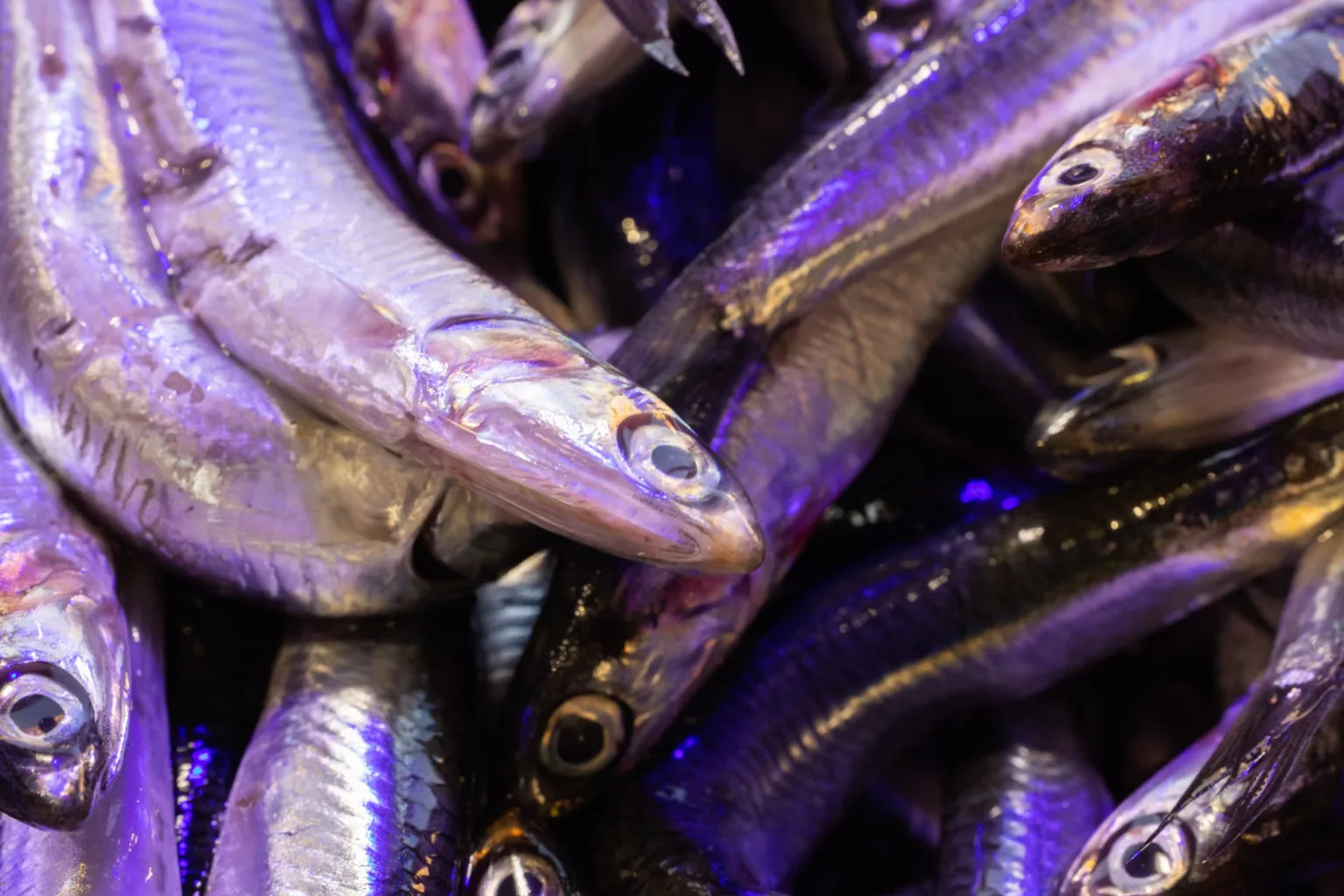
Oily fish is a culinary term for a range of fish that generally contain more fat than fish commonly described as white or lean. It is not one species or a single taxonomic family, so its characteristics vary. Sardines, mackerel, anchovies, salmon and tuna are familiar examples; some classifications also include certain semi-fatty fish. Fat content is not identical across species or individual portions. Treat the name as a broad guide to choosing and cooking fish, rather than as an exact description of every piece. Fresh, smoked and canned versions also differ in their preparation and use.
When to use it
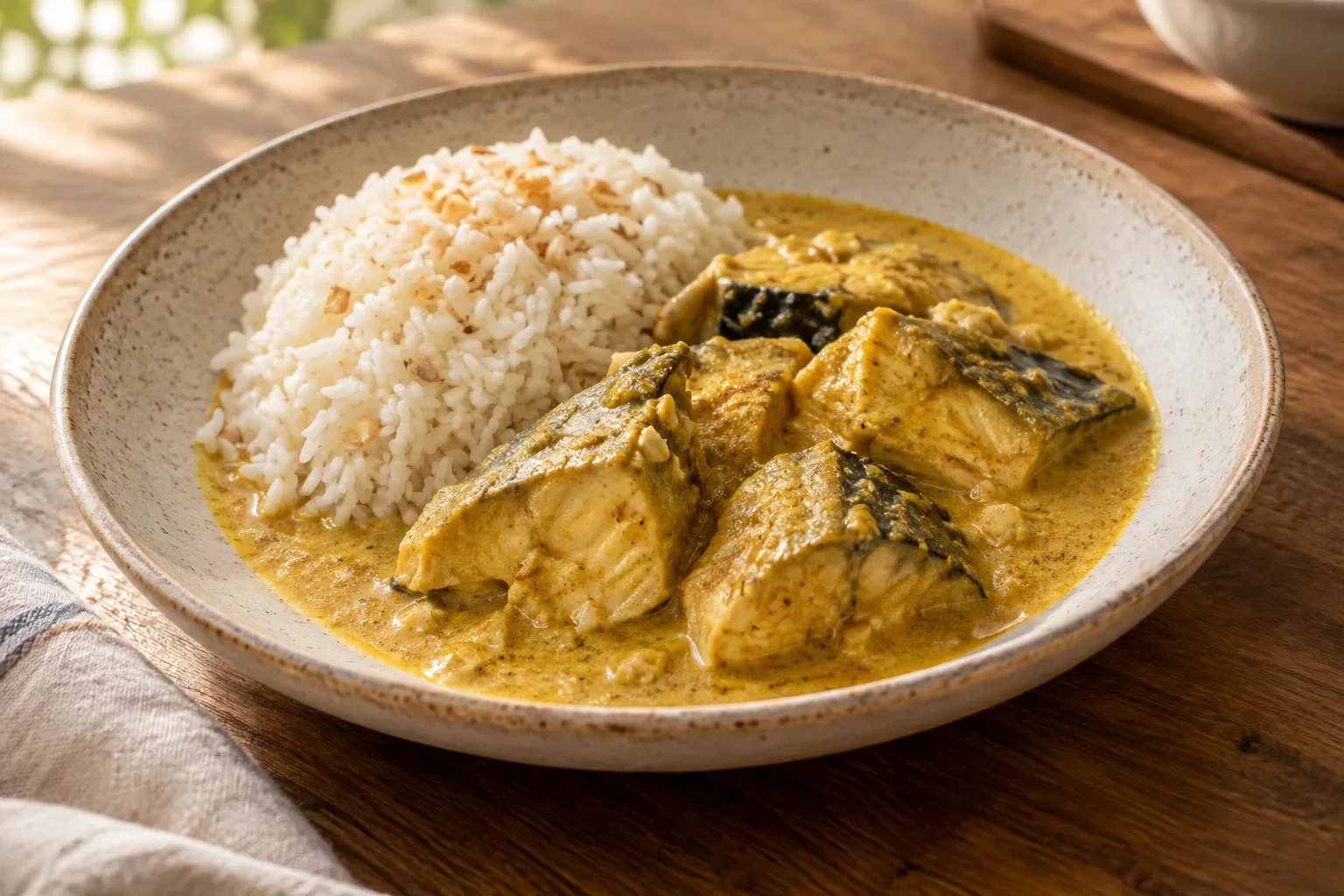
Choose oily fish when you want a fish that is often more pronounced in flavour, or a portion to serve as the centre of a meal, in a salad, as an appetiser or in a pasta dish. Small fish such as sardines and anchovies suit straightforward preparations, while larger species are available in different cuts and formats. Oily fish can also be baked, grilled, cooked in a stew or wrapped in parchment. Because the category covers many species and cuts, base your choice on the dish and the product available, not just on the label “oily fish.”
How to use it
Match the cooking method to the species, size and cut. Oily fish can be grilled or cooked on a hot surface, baked, wrapped in parchment, added to a stew, or fried after light coating, particularly when using small fish. It is also sold smoked or canned; these products can be used in appetisers, salads and pasta dishes. For a simple preparation, season the fish and choose a method suited to its shape, taking care not to dry it out. Dill is a suitable accompaniment for salmon. With smoked or canned fish, account for its stronger flavour and any liquid or oil in the package when balancing the rest of the dish.
Flavour and texture
Oily fish often tastes more pronounced than many lean fish, but flavour differs substantially among species: salmon, sardines, mackerel and tuna are not identical in taste or texture. Flesh may be firm or more delicate depending on the fish and cut. The higher fat typical of this category can give a richer, juicier impression, but it does not make every species or portion behave the same way.
How to choose it
Choose the species and cut that suit your recipe, since “oily fish” does not name one particular fish. For canned products, check the species and ingredients on the label. If you want to know where the fish came from, look for a stated origin. Compare the available forms and follow the storage and use instructions provided with the fish or its packaging.
Storage
Follow the seller’s storage guidance and the package instructions, especially for smoked or canned products after opening. If specific directions are not available, ask the seller rather than assuming every species and format should be stored alike. Keep fish separate from ready-to-eat foods while handling it, and follow local official food-safety advice.
Substitutions
For a substitute, first consider another oily fish, then match the cut and preparation to the recipe. Sardines, mackerel, salmon and tuna can play a similar role in some dishes, but differ in flavour, size and texture. Lean white fish may work as a fish alternative in a particular recipe, though the result will have a different profile.
Common mistakes
Treating all oily fish as interchangeable can lead to choosing an unsuitable cut or expecting the same flavour and texture. A cooking method that suits a small whole fish may not suit a large portion. Distinguish fresh, smoked and canned products, and follow the storage directions for the particular form you have.
Safety and allergens
Handle and store fish according to the seller’s guidance, the package instructions and local official food-safety advice. If you are unsure how to store a particular product, check before eating it.
Culinary uses
- Plato principal
- Ingrediente para ensaladas, aperitivos y platos de pasta
Recommended techniques
- A la plancha o a la parrilla
- Al horno o en papillote
- Frito o enharinado
- En guisos, escabeches o ahumado
Pairs well with
- Eneldo con salmón
- Ensaladas y platos de pasta
Frequently asked questions
Is oily fish a single species?
No. It is a broad culinary category containing several species, and the classification can vary, particularly for semi-fatty fish.
Which fish are commonly called oily fish?
Common examples include sardines, mackerel, anchovies, salmon and tuna. Classification of some other fish may vary.
How can I cook oily fish?
Depending on species and cut, you can grill, bake, cook it in parchment, add it to a stew or fry it. It is also available smoked and canned.
Ingredient allergens
Allergen listThere are no verified associations for these ingredients yet.
Sources and review
Automatically researched, cross-checked and validated content. Sources consulted:
- Client Challenge doi.org/10.2307/jj.27939689.16
- The Essential Glossary of Cooking Terms for the Culinary Arts - Escoffier www.escoffier.edu/blog/culinary-arts/the-essential-glossary-of-cooking-terms-for-the-culinar…
- A Recipe for Memory: Hispanic Heritage as Told Through Cultural Dishes news.sunyempire.edu/a-recipe-for-memory-hispanic-heritage-as-told-through-cultural-dishes/
- Para la ciudadanía www.aesan.gob.es/para-la-ciudadania
- Recipes | Servicio de Extensión de OSU extension.oregonstate.edu/es/food/recipes
- Fish & Seafood | Institute of Culinary Education www.ice.edu/blog/all/fish-seafood
- Sets and Series - Government Recipes and Cookbooks - Guides at University of North Texas guides.library.unt.edu/government-cookbooks/series
- El pescado azul, un alimento indispensable -canalSALUD www.salud.mapfre.es/nutricion/alimentos/pescado-azul-brillante-alimento/
- Tipos de Pescado Azul www.usisa.com/tipos-de-pescado-azul/?srsltid=AYCX9vLCE-VgrLmigB8sHfl2IJZHW3wLS7pHATKohH49zD2…
- Pescados Azules: Tipos, Beneficios y Características costapujol.cat/blog/cuales-son-los-pescados-azules/?srsltid=AYCX9vIyeS4VEq1f7qoHqBMlt39paxQa…
- Pescado azul y pescado blanco, conoce sus diferencias www.directoalpaladar.com/ingredientes-y-alimentos/pescado-azul-y-pescado-blanco-conoce-sus-d…
- Food allergen labelling and information requirements technical guidance - GOV.UK www.gov.uk/government/publications/food-allergen-labelling-and-information-requirements-tech…