- Category
- Oils and fats
- State
- Liquid
- Usual unit
- tablespoon
What it is
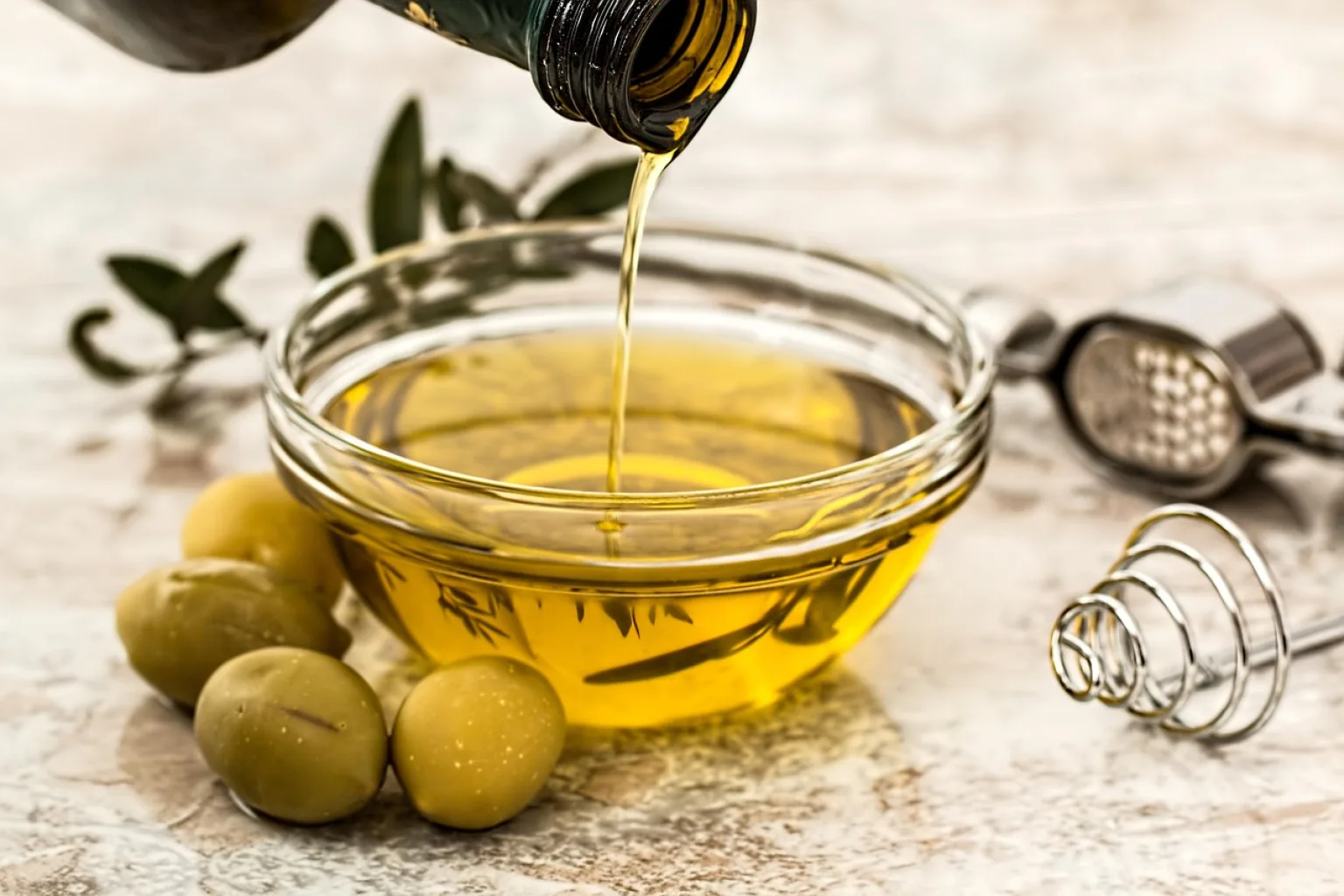
Olive oil is a plant oil obtained from the fruit of the olive tree. It is sold in different categories and styles, so the name alone does not mean every bottle tastes the same or is made in the same way. Virgin olive oils are described as obtained directly from olives by mechanical means, while other categories may include refined oil. Aroma and flavor vary with olive variety, ripeness, and growing conditions. Choose an oil for the way you plan to use it and the flavor you enjoy, rather than relying on color alone. It is a versatile kitchen ingredient that can be used in uncooked dishes as well as in cooking.
When to use it
Use olive oil when you want to add cooking fat and flavor to a dish. A more assertive oil can stand out in salads, with vegetables or bread, or as a finishing drizzle; a milder style may suit food where you want the other ingredients to remain prominent. It can also be used for sautéing, roasting, frying, and sauces. Since flavor differs from one oil to another, taste a small amount before adding it to a delicate dish and adjust the quantity to suit the result you want.
How to use it
For a simple dressing, combine olive oil with an acidic ingredient and seasonings, then taste before serving. Drizzle it over vegetables, soup, pasta, or bread, or use it to sauté and roast ingredients. For frying, add enough oil to the pan or cooking vessel and pay attention as you cook, following the recipe’s method. When the oil will be prominent, choose a flavor that works with the other ingredients; a less intense style may fit a delicate dish better. You can replace it with another cooking oil, but expect the aroma and flavor of the finished dish to change.
Flavour and texture
Olive oil is fluid and smooth, but its flavor is not uniform. It can be delicate or more pronounced, with fruity, bitter, or peppery impressions depending on the oil. Color can range from yellow to green, but color alone does not describe the aroma or sensory quality. If you plan to serve it uncooked, taste it first to see how it works with the dish.
How to choose it
Choose an oil based on how you intend to use it and the flavor you prefer. Read the category and other information on the label, but do not judge it by color alone: oils can range from yellow to green, and color by itself does not establish flavor or sensory quality. If you want an oil for uncooked dishes, look for aroma and flavor descriptions when available. Choose a bottle size you can use while its preferred flavor profile remains appealing.
Storage
Keep the oil tightly closed in a dry, dark place, and avoid leaving the bottle open or exposed to light. Air and light can cause the oil to lose sensory freshness over time. Close the container after pouring and keep it away from strong light. There is no single storage period that applies to every product; follow the label and check the oil’s aroma and flavor before use.
Substitutions
Canola oil, peanut oil, or another neutral-tasting cooking oil can replace olive oil. The quantity can usually follow the recipe, but the result will have a different aroma and may lack some of olive oil’s fruity character. The change is more noticeable when the oil is served uncooked or is a prominent part of the dish, so choose an alternative that suits the other ingredients.
Common mistakes
Do not choose an oil by color alone, since color is not enough to describe its aroma or flavor. Another common mistake is assuming all olive oils taste alike or that one bottle suits every dish equally. Consider the oil’s intensity, taste it before dressing food, and store it closed and protected from light and air.
Safety and allergens
For home-preserved foods packed in oil, use a tested recipe and follow its preparation and processing instructions exactly; do not improvise the preservation method.
Culinary uses
- cooking fat
- dressing and sauce base
- flavor enhancer
Recommended techniques
- sautéing
- roasting
- frying
- dressing
Pairs well with
- vegetables
- herbs and spices
- salads
- bread
- pasta
Frequently asked questions
Can olive oil be used both for cooking and uncooked dishes?
Yes. Use it in dressings and as a finishing drizzle, as well as for sautéing, roasting, frying, and sauces. Match the flavor style to the dish.
Does green olive oil mean it is better?
Not by itself. Color varies between oils and cannot alone establish their aroma, flavor, or sensory quality.
How should I store olive oil?
Keep the container closed in a dark, dry place, protected from light and air. Follow any storage directions on the label.
Ingredient allergens
Allergen listThere are no verified associations for these ingredients yet.
Estimated nutrition
- Fat
- 93.3 g
- Saturates
- 13.3 g
- Carbohydrate
- 0 g
- Sugars
- 0 g
- Protein
- 0 g
- Salt
- 0 g
Sources and review
Automatically researched, cross-checked and validated content. Sources consulted:
- Client Challenge doi.org/10.2307/jj.27939689.16
- Aceite de oliva - Wikipedia, la enciclopedia libre es.wikipedia.org/wiki/Aceite_de_oliva
- 5 usos del aceite de oliva virgen extra en la cocina española orgazmadrid.com/usos-del-aceite-de-oliva-virgen-extra-en-la-cocina-espanola/
- Ask the Expert: Healthy Fats • The Nutrition Source nutritionsource.hsph.harvard.edu/2012/06/21/ask-the-expert-healthy-fats/
- El aceite de oliva virgen extra como ingrediente esencialEl aceite de oliva virgen extra como ingrediente esencial en nuestra gastronomía molinotorres.es/el-aceite-de-oliva-virgen-extra-como-ingrediente-esencial-de-nuestra-gastron…
- El aceite de oliva y sus usos en la Gastronomia madrid-experience.com/el-aceite-de-oliva-en-la-gastronomia/
- ¿Qué sabes del Aceite de Oliva? - Formacion en Gastronomia www.formacionengastronomia.com/cocina-latina/que-sabes-del-aceite-de-oliva/
- Marinated Peppers - National Center for Home Food Preservation nchfp.uga.edu/how/pickle/vegetable-pickles/marinated-peppers/
- Pumpkin: loaded with good nutrients - Mayo Clinic Health System sncs-prod-external.mayo.edu/hometown-health/speaking-of-health/pumpkin-loaded-with-scary-goo…
- Brazilian Grocery Near Me - Explore Authentic Brazilian Ingredients and Products cms.ncwc.edu/brazilian-grocery-near-me/