- Category
- Oils and fats
- State
- Liquid
- Usual unit
- ml
What it is
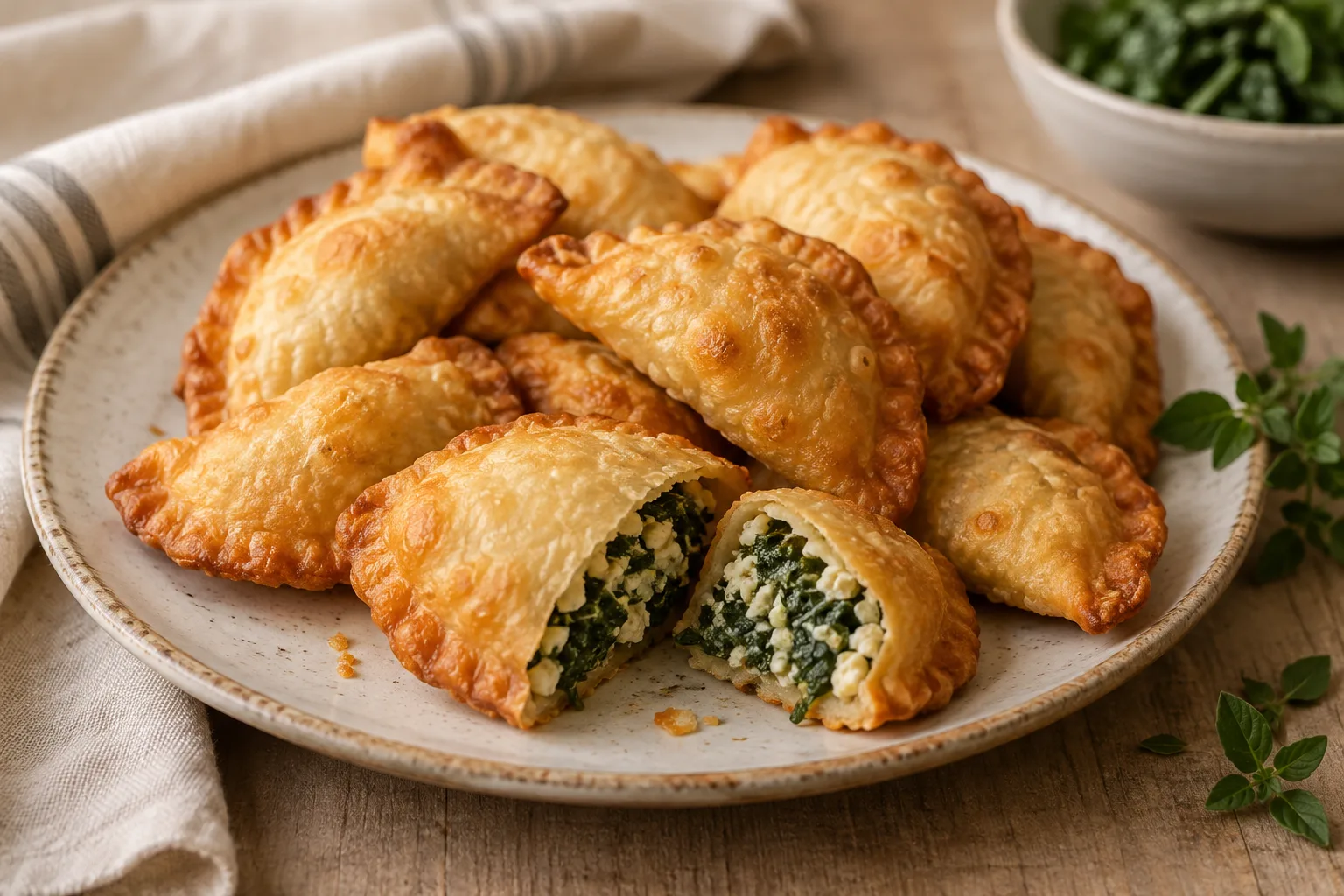
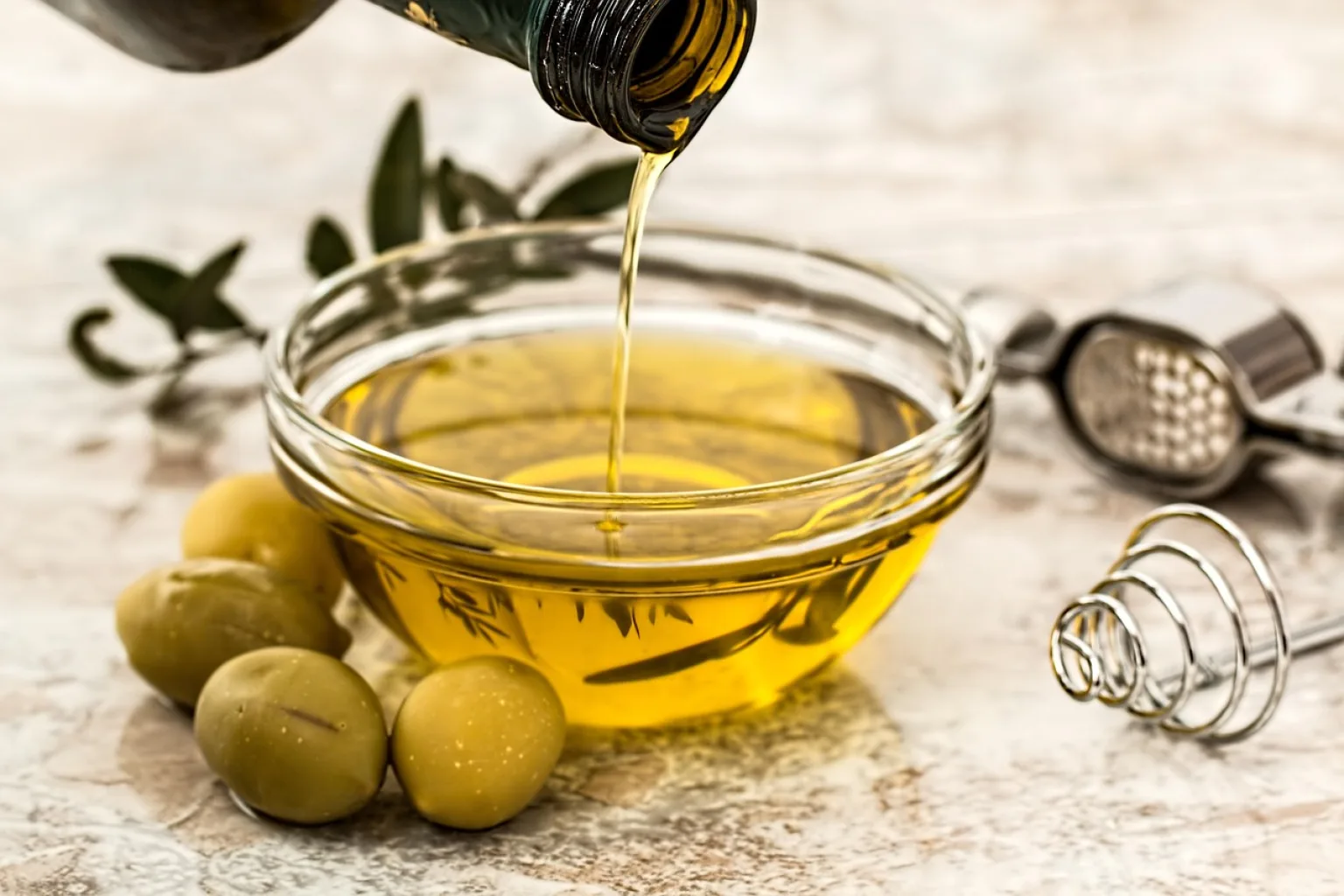
Olive oil for dough is liquid olive oil used as an ingredient in bread or savory pastry mixtures. It is not a separate kind of oil simply because it is intended for dough; use the type specified by the recipe and bear in mind that oils can differ in flavor intensity. In a dough, it serves as a fat and can lend its own olive character to the baked result. It is used in preparations such as bread, focaccia, pies and empanadas. The quantity and timing depend on the formula, so follow the recipe’s stated proportions rather than adding an arbitrary amount.
When to use it
Use olive oil when a dough recipe calls for it, or when you are making a compatible preparation such as bread, focaccia, savory pie or empanada dough. It suits savory bakes when its flavor works with the rest of the ingredients. Choose an oil with a noticeable character if you want it to stand out, or a milder one if you want it to be less prominent. Follow the recipe’s quantity: changing the amount of fat can affect how the dough handles and the texture of the baked result.
How to use it
Measure the olive oil as directed and add it at the stage specified by the recipe, distributing it so it combines with the other dough ingredients. Some recipes mix it in at the start; others add it during kneading or reserve it for brushing or drizzling over the surface. For bread, focaccia, pie or empanada dough, follow that preparation’s method rather than assuming all doughs are handled in the same way. If replacing another fat with olive oil, keep to the recipe’s stated amount and remember that the flavor, and possibly the texture, will change. Do not add extra oil simply to stop dough sticking; follow the recipe’s handling instructions instead.
Flavour and texture
Depending on the oil, it can give dough a mild or more pronounced olive flavor. It also contributes richness and can help the dough feel less dry. The result depends on the recipe and the quantity used; oil alone does not replace other ingredients or guarantee a particular texture. For a delicate-tasting bake, choose a moderate-flavored oil; for a more distinct olive note, choose one with a stronger character.
How to choose it
Choose an olive oil suitable for cooking and for the flavor you want in the dough. Check that the package is intact and read the label for product details and storage directions. A strongly flavored oil may be noticeable in simple bread or pastry, while a mild one is less likely to dominate. You do not need a product labeled specifically “for dough” if the recipe simply calls for olive oil.
Storage
Keep the oil in its original container, tightly closed, and follow the storage directions on the label. Avoid leaving it open while preparing dough, and keep it away from heat and direct light. If oil remains after cooking, close it again in a clean, suitable container; do not mix it with dough ingredients or food scraps.
Substitutions
A mild cooking oil can replace olive oil in some doughs; use the quantity specified by the recipe. The dough will still contain a liquid fat, but it will lose some of olive oil’s characteristic flavor. Melted butter may suit some recipes if a dairy flavor is acceptable, but it should not be assumed to produce the same result. Keep to the recipe’s proportions and method.
Common mistakes
Avoid adding unmeasured oil or changing the amount of fat without considering its effect on the dough. Another common misstep is choosing a strongly flavored oil when a neutral dough is wanted, or assuming every recipe allows an equal-for-equal swap with butter. Follow the recipe’s quantities and method, and check the oil’s label.
Safety and allergens
Use oil from a clean, intact container and follow the storage directions on its label. Do not use a product if its package is damaged or its condition is in doubt.
Culinary uses
- Fat and moisture in bread and pastry doughs
- Ingredient for enriching dough and adding olive-oil flavor
Recommended techniques
- Mix into dough
- Brush or drizzle onto dough or baked goods
Pairs well with
- Bread and focaccia dough
- Savory pastry and empanada dough
Frequently asked questions
What kind of olive oil can I use in dough?
Use the type specified by the recipe. If it does not specify one, choose according to the flavor you want: mild for a subtle result or more pronounced for a noticeable olive flavor.
Which doughs can include olive oil?
It is used in bread, focaccia, savory pie and empanada doughs when the recipe calls for it or is compatible with it.
Can another oil replace olive oil in dough?
A mild cooking oil can work in some preparations in the recipe’s stated quantity, but the finished flavor will differ. Check that the recipe allows the substitution.
Ingredient allergens
Allergen listThere are no verified associations for these ingredients yet.
Sources and review
Automatically researched, cross-checked and validated content. Sources consulted:
- REGLAMENTO (UE) No 1169/2011 DEL PARLAMENTO ... eletiquetadocuentamucho.aesan.gob.es/media/reglamento-11692011.pdf
- The Essential Glossary of Cooking Terms for the Culinary Arts - Escoffier www.escoffier.edu/blog/culinary-arts/the-essential-glossary-of-cooking-terms-for-the-culinar…
- Agencia Española de Seguridad Alimentaria y Nutrición www.aesan.gob.es/
- Nutrition After Your Transplant - Health Online healthonline.washington.edu/sites/default/files/record_pdfs/Nutrition-After-Your-Transplant-…
- Qué es eso llamado epistemología, para qué sirve, por qué es inexcusable para la universidad y para la paz | Reencuentro. Análisis de problemas universitarios doi.org/10.24275/uamxoc-dcsh/reencuentro/202386-14
- Lesson 4A – Semillas: Elementary Spanish I pressbooks.uiowa.edu/elementary-spanish-i/chapter/lesson-4a/
- Appendix B: Recipes for Disease Prevention – Culinary Medicine opentextbooks.library.arizona.edu/culinarymedicine/back-matter/appendix-b-recipes/
- Healthy Eating Plan for Weight Management med.uc.edu/docs/default-source/mobility-study/healthy-eating-and-physical-activity-plan-(spa…
- Usos del aceite de oliva en la cocina aceitesabril.com/usos-del-aceite-de-oliva-en-la-cocina/
- Aceite de Oliva en la Cocina: Más que un Ingrediente, un Tesoro Mediterráneo - ACEITES DE TRUJILLO www.aceitesdetrujillo.es/aceite-de-oliva-en-la-cocina-mas-que-un-ingrediente-un-tesoro-medit…
- 5 usos del aceite de oliva virgen extra en la cocina española orgazmadrid.com/usos-del-aceite-de-oliva-virgen-extra-en-la-cocina-espanola/
- Historia del Aceite de Oliva - Herriza de la Lobilla www.lalobilla.es/historia-del-aceite-de-oliva/?srsltid=AYCX9vJZL6vjp5YieXxg4bp0EA_UObDJdaByZ…