- Category
- Oils and fats
- State
- Liquid
- Usual unit
- ml
What it is
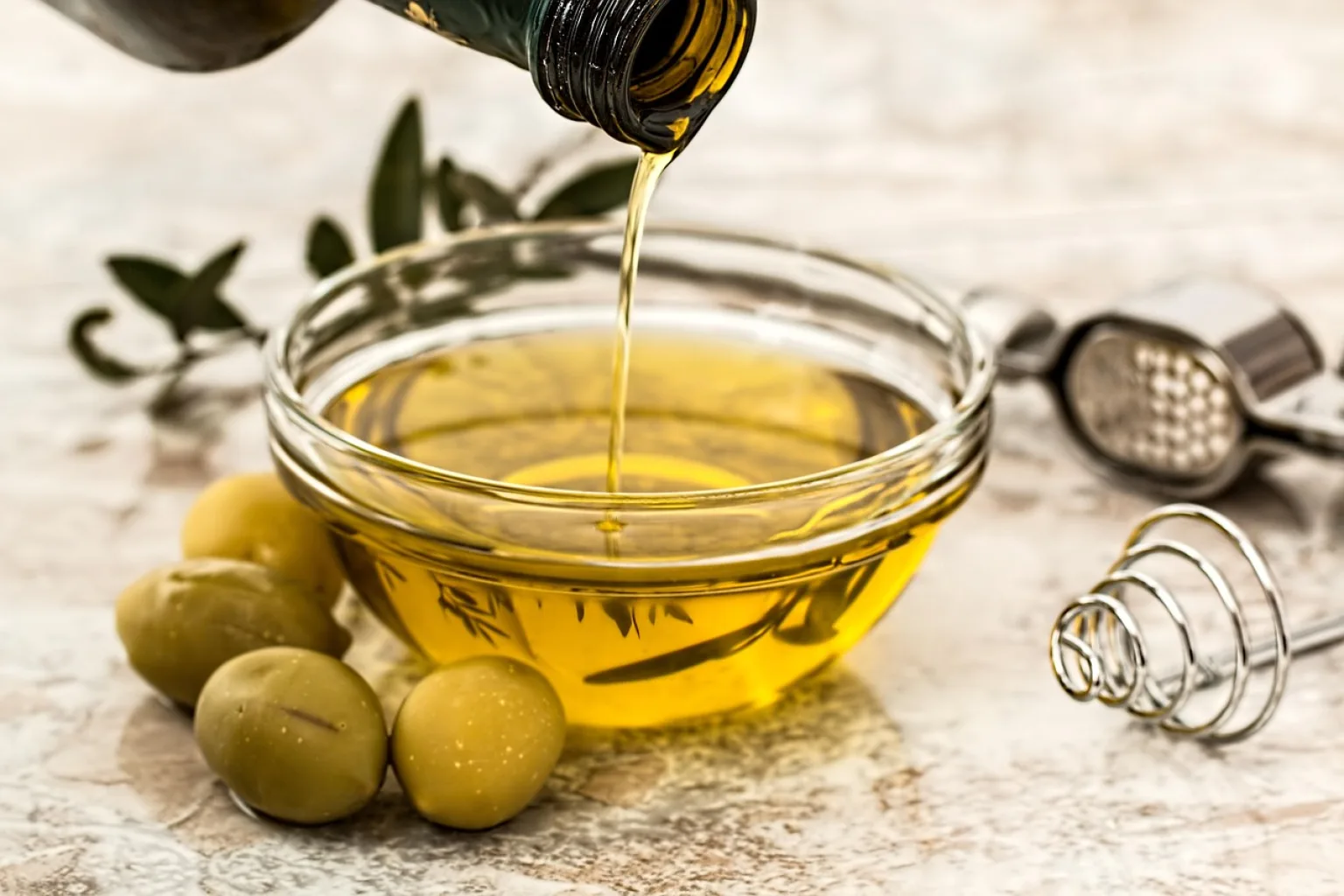
Olive oil for a filling is not a separate variety; it simply means olive oil used to season or cook ingredients that will go inside another preparation. It is made from the fleshy part of olives, and olive variety and ripeness can affect the oil’s color. Options include extra-virgin, virgin, and refined olive oil, which differ in aroma, flavor, and processing. Choose according to whether you want the oil to stand out or to sit quietly behind the other filling ingredients.
When to use it
Use olive oil when a filling needs fat to distribute flavor or when you want to sauté its ingredients first. It can be stirred into vegetable mixtures, pasta or rice preparations, and fillings for baked doughs. A more pronounced oil can stand out in a simple mixture; a milder one can leave other ingredients in the foreground. If the recipe already includes rich ingredients, begin with a small amount and check the texture before adding more.
How to use it
For a cold or already-cooked filling, drizzle in the oil gradually and mix until the ingredients are lightly coated, not oily. For a warm filling, use it to sauté the components, then let them cool before stuffing dough or another food. You can also whisk it with herbs, garlic, lemon, or other recipe ingredients to distribute its flavor. Olive oil is used in dressings, sauces, sautéing, and baked doughs; choose a more pronounced or milder type to suit the intended result.
Flavour and texture
Flavor depends on the type of oil: it may be mild or more pronounced, and extra-virgin olive oil generally gives a more recognizable olive character than refined oil. Its liquid texture makes it easy to distribute through filling ingredients and helps give the mixture a juicier feel. Color can also vary from pale shades to golden or greenish tones, and color alone does not determine how strong the flavor will be.
How to choose it
Choose the type according to the flavor you want in the filling: extra-virgin if you want the olive character to be noticeable, or refined if you prefer a subtler presence. Read the label to identify the kind you are buying rather than assuming all olive oils have the same aroma or intensity. With delicate filling ingredients, a milder oil can help keep them in the foreground.
Storage
Keep olive oil protected from light and heat, using an opaque container where possible. If you plan to keep oil that has already been used for frying, filter it and store it in an opaque container away from light and heat. For unused oil, also follow the storage directions on its packaging.
Substitutions
You can replace extra-virgin olive oil with refined olive oil when you want a less intense flavor; the filling still gets the oil, but its character will be subtler. Extra-virgin oil, in turn, brings a more noticeable olive flavor. Add it gradually so the mixture does not become too greasy.
Common mistakes
Do not assume all olive oils taste the same: olive variety and processing affect the result. Adding too much at once can make a filling heavy or oily. Mix the oil in gradually and check the texture before adding more.
Safety and allergens
Use oil that is in good condition and avoid it if it shows clear signs of deterioration. When cooking, keep an eye on the oil and do not let it smoke; follow the recipe and product-label directions.
Culinary uses
- Adds fat and flavor to savory fillings
- Helps coat and bind filling ingredients
- Can be used to sauté filling ingredients
Recommended techniques
- Stir into a filling before stuffing
- Sauté filling ingredients in a little oil
- Whisk into a sauce or dressing for a filling
Pairs well with
- Vegetables such as tomato, onion, and leafy greens
- Pasta, rice, and baked doughs
Frequently asked questions
Which olive oil is best for a filling?
It depends on the flavor you want: extra-virgin oil has a more pronounced character, while refined olive oil is generally more subtle.
Can I add olive oil without cooking it?
Yes. Mix it into a cold or already-cooked filling gradually so you can control the texture.
Can olive oil be used to cook filling ingredients?
Yes. Olive oil is used for sautéing and is also used in sauces and baked doughs.
Ingredient allergens
Allergen listThere are no verified associations for these ingredients yet.
Sources and review
Automatically researched, cross-checked and validated content. Sources consulted:
- The Essential Glossary of Cooking Terms for the Culinary Arts - Escoffier www.escoffier.edu/blog/culinary-arts/the-essential-glossary-of-cooking-terms-for-the-culinar…
- Maqueta.qxp:Maqueta Comità CientÃfico Nâ« 2 aesan.gob.es/dam/jcr:07120507-cbae-498b-85a7-2ec557b6becb/comite_cientifico_11.pdf
- Usos del aceite de oliva en la cocina aceitesabril.com/usos-del-aceite-de-oliva-en-la-cocina/
- Aceite de Oliva en la Cocina: Más que un Ingrediente, un Tesoro Mediterráneo - ACEITES DE TRUJILLO www.aceitesdetrujillo.es/aceite-de-oliva-en-la-cocina-mas-que-un-ingrediente-un-tesoro-medit…
- 5 usos del aceite de oliva virgen extra en la cocina española orgazmadrid.com/usos-del-aceite-de-oliva-virgen-extra-en-la-cocina-espanola/
- pork chop Archives | Dinner Tonight dinnertonight.tamu.edu/tag/pork-chop/
- Leer revista ITEA – Asociación Interprofesional para el Desarrollo Agrario doi.org/10.12706/itea.2019.018
- Qué es el aceite de oliva y cómo usarlo | Recetas Nestlé www.recetasnestle.com.ar/escuela-de-sabor/ingredientes/aceite-de-oliva