- Category
- Oils and fats
- State
- Liquid
- Usual unit
- ml
What it is
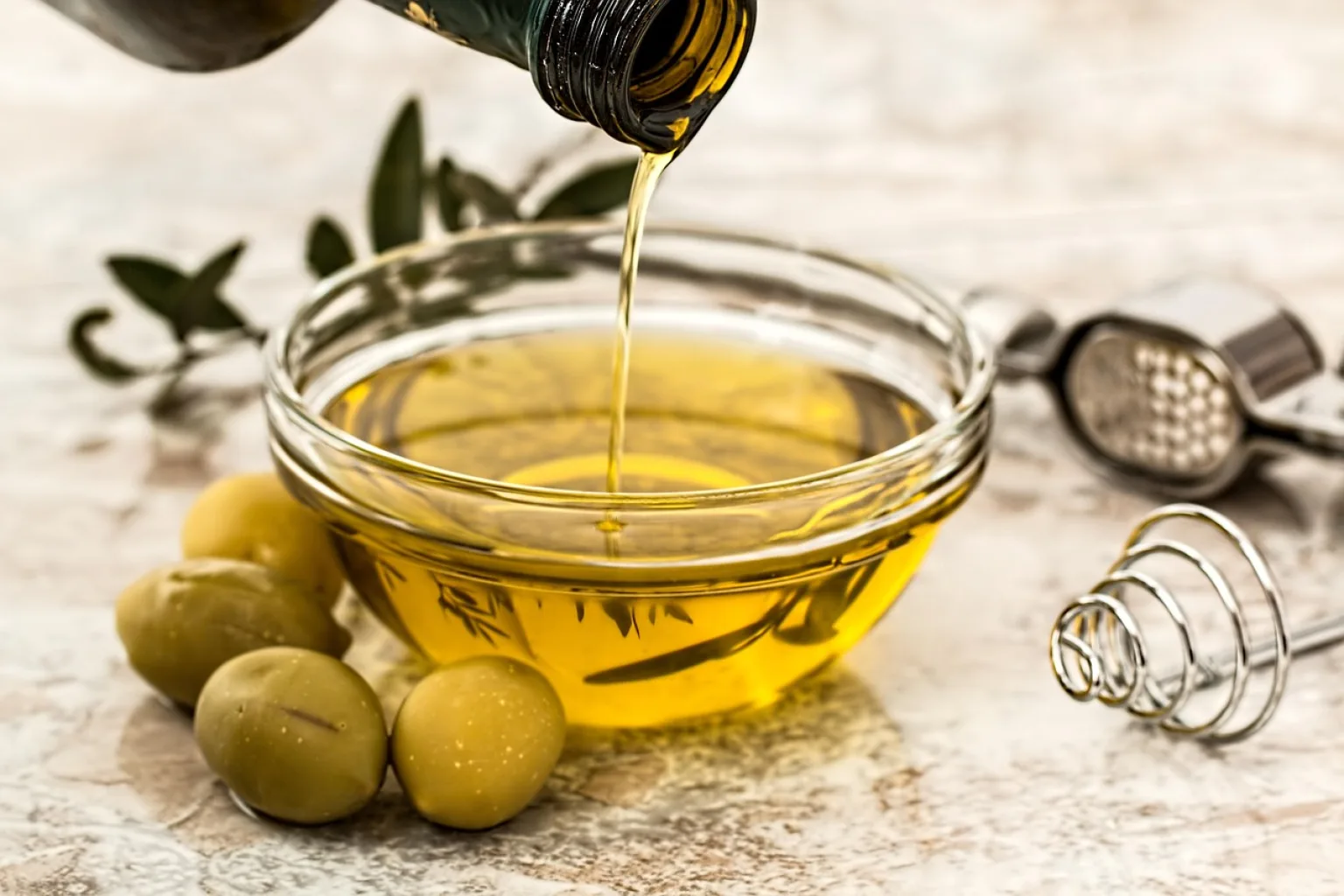
Olive oil is a plant oil obtained from olives, the fruit of the olive tree. In a marinade, it is one part of a liquid mixture that may also include an acidic ingredient such as lemon, lime or vinegar, along with herbs, spices and other seasonings. There is no single olive oil made specifically for marinades: different culinary olive oils can be selected according to the character you want in the finished dish. A more pronounced oil flavor will contribute more directly, while a milder one lets other ingredients stand out. The mixture can be used with meat, fish, seafood or vegetables before cooking, or as an adobo or dressing depending on the recipe. Olive oil can also be combined with watery or acidic ingredients to form an emulsion, although the mixture may separate while standing and need to be stirred again.
When to use it
Use it when you want to distribute herbs, spices and other seasonings over food before cooking, or add a flavorful, fatty coating to a preparation. It works in marinades for meat and fish and can also be combined with vegetables intended for roasting or baking. Olive oil is also used in dressings and sauces. Choose a flavor profile that suits the main ingredient: a more pronounced oil can make its presence felt, while a milder one allows the aromatics to lead. There is no universal marinating time that applies to every food; follow the recipe and the relevant handling and refrigeration guidance for the ingredient being marinated.
How to use it
Pour the oil into a bowl and mix it with the recipe’s aromatic ingredients, such as lemon or lime juice, vinegar, garlic, herbs and spices. Whisk or stir to distribute the ingredients; if the mixture contains liquids that do not normally blend with oil, emulsify them to make the mixture more uniform. Add the food and coat it with the marinade, using a suitable container and following the recipe’s directions for handling and timing. Then cook the food using the intended method. Olive oil can also be added to a mixture for vegetables that will be roasted, or used in a simple dressing. If you want a thinner marinade, adjust it with a liquid specified in the recipe. Do not assume that oil alone preserves food, and do not reuse a marinade that has contacted raw food unless you follow appropriate food-safety instructions.
Flavour and texture
The flavor depends on the particular oil: it may be mild or more pronounced, with fruity notes or other characteristics that complement the remaining ingredients. In a marinade, it adds a smooth, rich feel and helps spread seasonings over the food’s surface. When combined with citrus juice or vinegar, the mixture may separate if left to stand; whisking helps create a temporary emulsion. The oil’s profile can be especially noticeable when it is used uncooked or in a preparation with few ingredients.
How to choose it
Choose olive oil sold for food use and read the label to identify its type and the flavor profile you prefer. For a marinade in which you want to notice the oil, choose one whose flavor you enjoy on its own; if you want garlic, herbs or the main ingredient to stand out, a milder profile may suit you better. Check that the container is intact and the product information is legible. You do not need to look for a product specifically labeled “for marinades”: culinary olive oil can serve this purpose.
Storage
Keep the oil in its tightly closed container in a cool, dark place, away from heat sources and direct light. Avoid unnecessary temperature changes and keep the neck and cap clean. Follow the storage directions on the label, especially after opening. These tips apply to plain oil; a prepared marinade containing other ingredients should be handled and stored according to guidance for those ingredients.
Substitutions
You can replace it with another edible olive oil; the result will vary with the chosen oil’s intensity and character. If you prefer a less prominent flavor, sunflower oil can serve as an alternative for the fat component, although it will change the marinade’s flavor profile. Adjust the herbs and seasonings to taste and to the other ingredients in the recipe. A substitution does not automatically make the mixture suitable for preserving food.
Common mistakes
A common mistake is choosing a strongly flavored oil when you want other ingredients to dominate, or a very mild one when you want the oil to contribute character. A marinade may also be uneven if it is not stirred or emulsified after acidic liquids are added. Do not expect oil and citrus juice to stay mixed without agitation. Avoid confusing marinating with preserving: coating food with oil alone does not establish that it can be stored safely for longer.
Safety and allergens
Use oil sold for food, keep the container clean and follow its label directions. Handle the other marinade ingredients with appropriate food-safety precautions; oil does not replace hygiene measures or storage instructions for meat, fish or seafood.
Culinary uses
- Base grasa para marinadas y adobos
- Aporta sabor y ayuda a repartir hierbas y especias sobre los alimentos
- Ingrediente para aliños y emulsiones
Recommended techniques
- Marinar o adobar
- Emulsionar
- Aliñar
- Asar o saltear
Pairs well with
- Limón, lima o vinagre
- Ajo y hierbas como romero, tomillo, orégano, perejil o cilantro
- Pescado, marisco, carnes y verduras
Frequently asked questions
Which type of olive oil should I use in a marinade?
Choose according to the flavor you want: a more pronounced oil will be more noticeable, while a milder one lets other ingredients stand out. You do not need oil specifically labeled for marinades.
What can I combine with olive oil in a marinade?
Mix it with lemon, lime or vinegar, and add garlic, herbs and spices. It can be used in marinades for meat, fish, seafood and vegetables.
Will olive oil stay mixed with lemon juice?
Not necessarily. Oil and watery or acidic liquids can separate; whisk the mixture to emulsify it and stir again if it separates.
Ingredient allergens
Allergen listThere are no verified associations for these ingredients yet.
Sources and review
Automatically researched, cross-checked and validated content. Sources consulted:
- Aceite de oliva - Wikipedia, la enciclopedia libre es.wikipedia.org/wiki/Aceite_de_oliva
- Técnicas de cocina con aceite de oliva www.aceitesdeolivadeespana.com/diario-del-aceite/tecnicas-de-cocina-con-aceites-de-oliva/
- Agencia Española de Seguridad Alimentaria y Nutrición www.aesan.gob.es/
- Qué es eso llamado epistemología, para qué sirve, por qué es inexcusable para la universidad y para la paz | Reencuentro. Análisis de problemas universitarios doi.org/10.24275/uamxoc-dcsh/reencuentro/202386-14
- Sofrito – Community Nutrition Security Research Group web.uri.edu/community-nutrition/sofrito/
- Qué aceite de oliva usar para cocinar: tipos, cómo usarlos y cuándo usar girasol www.directoalpaladar.com/cultura-gastronomica/aceite-de-oliva-la-guia-definitiva-que-varieda…
- Tofu a la Parrilla - myLLU - Loma Linda University myllu.llu.edu/utilities-fileManager/action:image/?item=%2Flivingwhole%2Frecipes%2FTofu%20a%2…
- Family Food Cent$ newsletter - 2021 de mayo extension.sdstate.edu/sites/default/files/2021-04/MC-02112-S.pdf
- Usos del aceite de oliva en la cocina aceitesabril.com/usos-del-aceite-de-oliva-en-la-cocina/
- Aceite de Oliva en la Cocina: Más que un Ingrediente, un Tesoro Mediterráneo - ACEITES DE TRUJILLO www.aceitesdetrujillo.es/aceite-de-oliva-en-la-cocina-mas-que-un-ingrediente-un-tesoro-medit…
- 5 usos del aceite de oliva virgen extra en la cocina española orgazmadrid.com/usos-del-aceite-de-oliva-virgen-extra-en-la-cocina-espanola/
- Tradiciones culinarias con aceite de oliva en todo el mundo rontonar.com/blog/el-papel-del-aceite-de-oliva-en-las-tradiciones-culinarias-del-mundo?srslt…
- Usos Culinarios del Aceite de Oliva - La Española Aceites www.laespanolaaceites.com/salud/usos-culinarios-del-aceite-de-oliva/
- Marinados con Aceite de Oliva Virgen Extra, una combinación ganadora en la cocina - Conoce la cultura del aceite con Óleo Jarico oleojarico.es/marinados-con-aceite-oliva-virgen-cocina/
- Aceite de oliva: freír, confitar, marinar – Aceites Abril tienda.aceitesabril.com/blogs/aceites-abril/aceite-oliva-tecnicas-cocina?srsltid=AYCX9vI53RO…