- Category
- Herbs and spices
- State
- Liquid
- Usual unit
- teaspoon
What it is
Orange blossom essence for syrup is a liquid flavoring used to give sweet preparations a floral aroma. Orange blossom refers to the flower of the orange tree, and related products such as orange blossom water are made by distillation and can be strongly fragrant. Commercial products may differ in concentration and composition, so items called essence and floral water are not necessarily alike. Check that the label identifies the product as suitable for food use and follow its directions. Do not confuse culinary flavoring with cosmetic products, and do not assume it is interchangeable with neroli essential oil.
When to use it
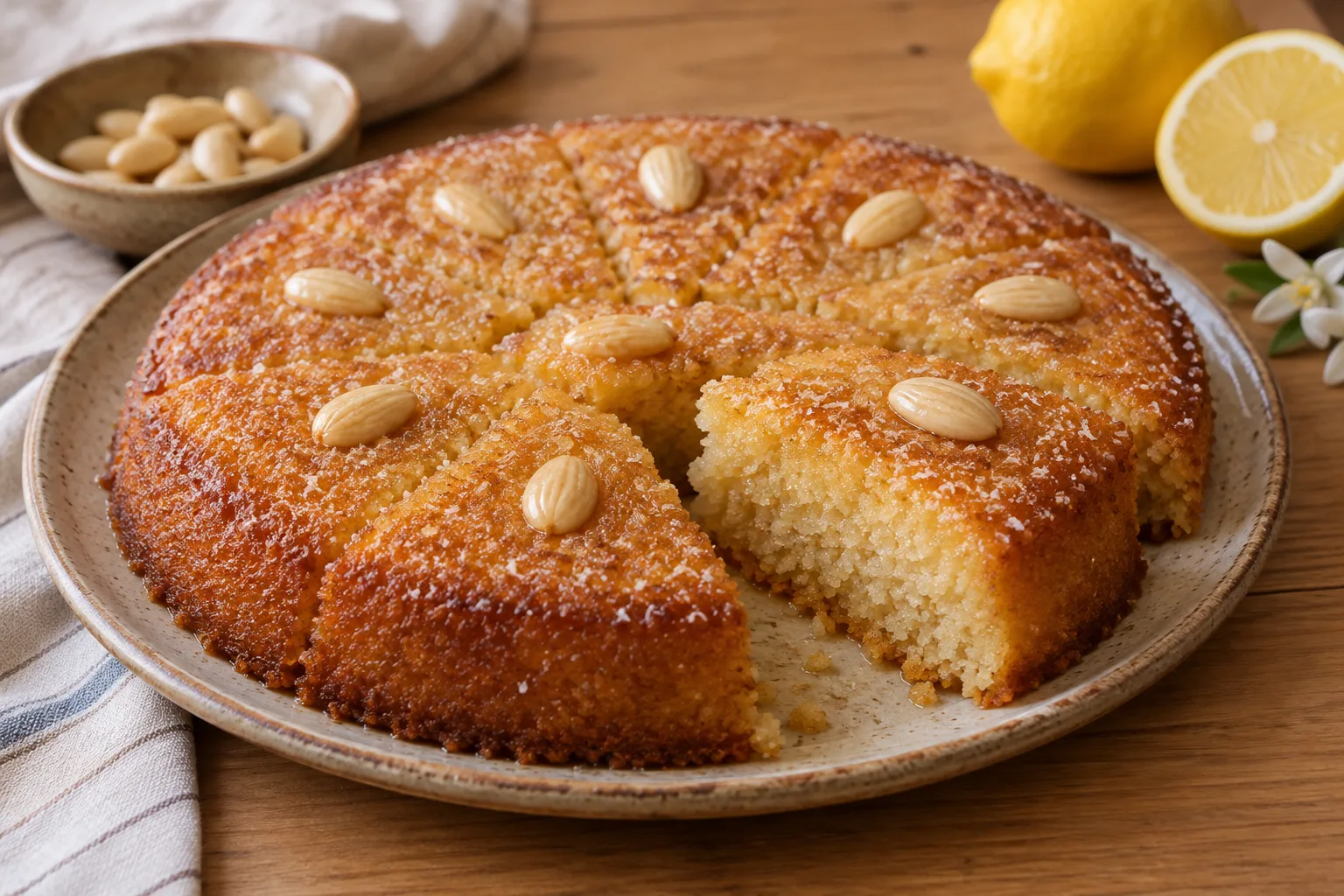
Use it when you want a syrup or sweet dish to have a clear floral note without adding the flavor of whole fruit. It can flavor syrups for cakes and other desserts, as well as sweet doughs, sponge cakes, cookies, and creams. It can also add aroma to drinks. It pairs particularly well with citrus, almonds, and honey; spices such as cinnamon, cardamom, or vanilla can accompany it too. Because strength varies between products, it works best in recipes where you can add it gradually and taste before adjusting the amount.
How to use it
Use only a product whose label says it is suitable for food. Measure a small amount and add it gradually: concentration and intensity can vary, and too much may overpower other flavors. For syrup, stir it in after taking the pan off the heat so the aroma is distributed through the liquid. In doughs, creams, or drinks, follow the recipe or product directions and taste before adding more. If the preparation already includes citrus or spices, adjust carefully so that no aroma overwhelms the others. Never use a cosmetic essence in food.
Flavour and texture
Its aroma is floral, with notes that can suggest citrus and a slightly bitter finish. The fragrance may be pronounced even when only a little is used. As a liquid flavoring, it adds aroma rather than structure to syrup or dough. Flavor and strength can differ with the product's concentration and composition, so do not assume that a teaspoon of one brand will have the same effect as a teaspoon of another.
How to choose it
Choose a product clearly labeled for food use and check its ingredient list and dosage directions. Products sold as orange blossom water, essence, or flavoring can differ in how they are made, what they contain, and how strong they are. Do not choose a cosmetic version for cooking, or assume that a concentrated product should be measured like floral water. If you want a specific aroma, check that the product is described as orange blossom or orange flower.
Storage
Follow the storage directions on the label, since commercial composition and presentation can vary. For distilled orange blossom water, one source describes storage in a glass bottle in a cool place protected from light. Do not automatically apply that instruction to every product: prioritize the bottle's own directions and keep it closed. If its appearance or smell changes noticeably, consult the manufacturer's guidance before use.
Substitutions
Orange or lemon zest can provide a citrus note instead of a floral aroma, but it does not reproduce orange blossom's character exactly. Choose either when you want to change the aromatic profile, not as an identical replacement. The amount depends on the recipe and how prominent you want the citrus to be. If the floral note is essential to the result, a food-grade orange blossom product is the closer choice.
Common mistakes
Using too much essence can make the floral aroma dominate the syrup or clash with other flavors. Start with a small amount and adjust after tasting. Another mistake is confusing a food product with a cosmetic one, or assuming every presentation has the same concentration. Read the label, and do not automatically substitute concentrated essence or essential oil for orange blossom water.
Safety and allergens
Use only a product labeled as suitable for food and follow its directions. Orange blossom essence or floral water intended for cosmetic use should not be added to syrup. If you have a food allergy, check the label of the specific product, since commercial formulations can vary.
Culinary uses
- Floral aromatic for syrups and sweet dishes
- Flavoring for pastries, creams, desserts, and drinks
Recommended techniques
- Measure carefully and add a little at a time
- Stir into syrup after removing it from the heat
Pairs well with
- Orange or lemon
- Almond, honey, cinnamon, cardamom, or vanilla
Frequently asked questions
Are orange blossom essence and orange blossom water the same?
Not necessarily. Products can differ in composition and strength; check the product name, ingredients, and directions on the label.
When should I add it to syrup?
You can stir it into syrup after removing it from the heat. Add it gradually and taste before adjusting.
Can I use cosmetic orange blossom water in cooking?
No. Use only a product whose label says it is suitable for food use.
Ingredient allergens
Allergen listThere are no verified associations for these ingredients yet.
Sources and review
Automatically researched, cross-checked and validated content. Sources consulted:
- Agua de azahar: qué es, qué usos tiene en la cocina y dónde se puede comprar www.directoalpaladar.com/ingredientes-y-alimentos/donde-comprar-agua-de-azahar
- Client Challenge doi.org/10.2307/j.ctv153k3r5.7
- Historia de la gastronomía - Wikipedia, la enciclopedia libre es.wikipedia.org/wiki/Historia_de_la_gastronom%C3%ADa
- Agencia Española de Seguridad Alimentaria y Nutrición www.aesan.gob.es/
- Propuesta de aplicación de técnicas de coctelería clásica y molecular en frutas cultivadas en el Azuay: chamburo, durazno, pera y reina claudia | OpenAlex openalex.org/W2791515812
- Agua de azahar: análisis, usos y mejores opciones para repostería y dulces caseros doncaramelo.es/agua-de-azhar/
- Ingredientes: Azahar. – Balansiya balansiya.com/ingredientes-azahar/
- Combinaciones con agua de azahar • Norohy www.norohy.es/combinaciones-con-agua-de-azahar/
- Guía para el control oficial del etiquetado y composición de ... www.juntadeandalucia.es/export/drupaljda/Gu%C3%ADa%20etiquetado%20y%20composici%C3%B3n%20CA%…
- Agua de azahar natural: análisis, usos y las mejores opciones para repostería artesanal aliciascake.es/agua-de-azahar-natural/
- Generally Recognized as Safe (GRAS) | FDA www.fda.gov/food/food-ingredients-packaging/generally-recognized-safe-gras
- Blog (es) archivos - Agua de Azahar aguadeazahar.com/category/blog-es/?srsltid=AYCX9vIByZOqH60q6fyeg4VrM7Z33SpAYnroasrHB_Sv4U_za…
- Agua de azahar: propiedades pensadas para pieles secas y grasas www.jabonariumshop.com/articulos/agua-de-azahar-propiedades-pensadas-para-pieles-secas-y-gra…
- Qué es y para qué sirve el famoso agua de azahar en la repostería www.eldiario.es/consumoclaro/sirve-famoso-agua-azahar-reposteria-pm_1_12947863.html
- Etapas del almíbar de azúcar: tabla de temperaturas para caramelos | CookBook cookbookmanager.com/es/guides/sugar-syrup-stages