- Category
- Fruit
- State
- Fresh
- Usual unit
- unit
What it is
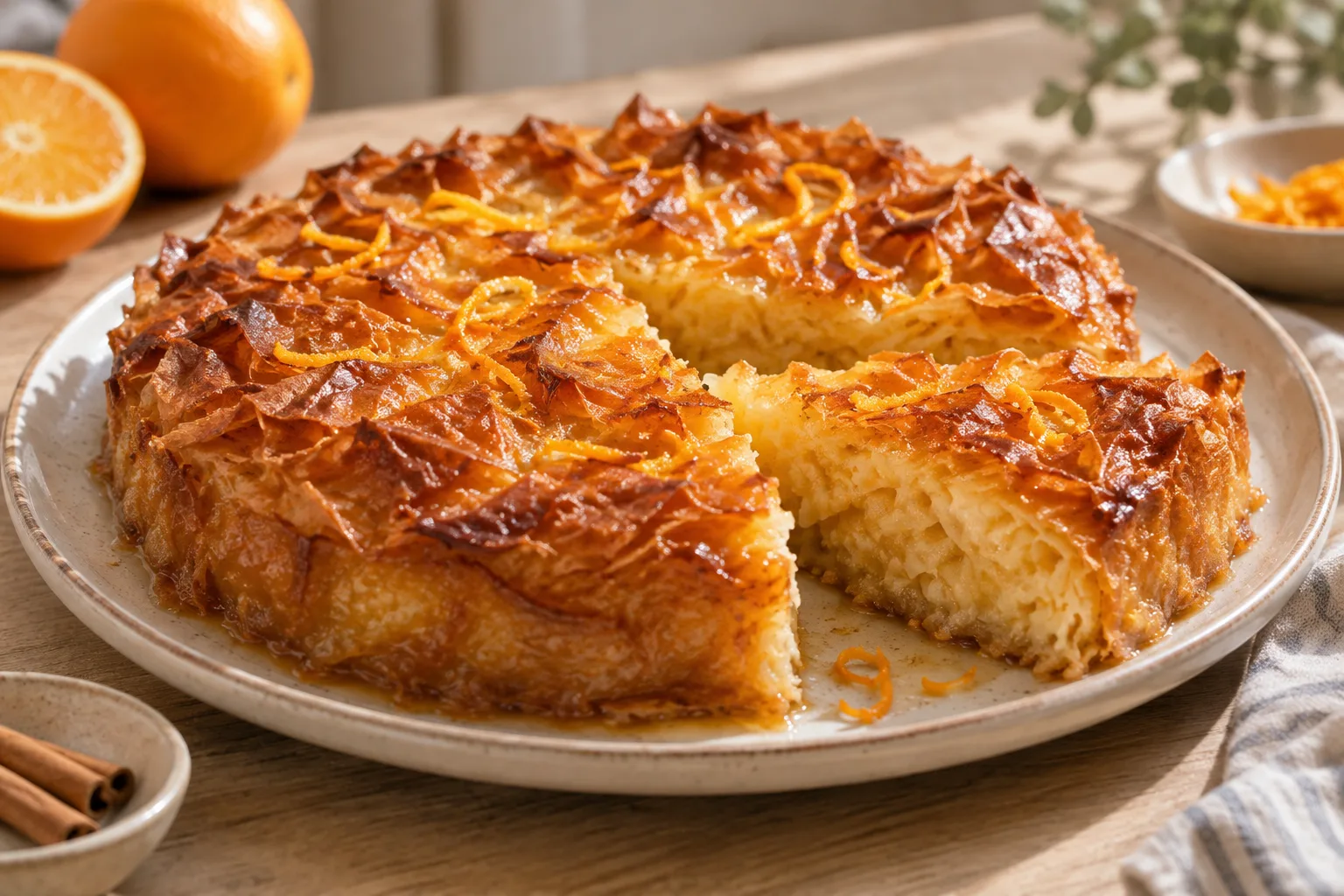
Orange zest is the finely grated outer peel of an orange. In cake batter it does not do the same job as juice: zest mainly contributes the aroma of the peel, while juice adds liquid and acidity. It can be incorporated into cake batters, sponge cakes, muffins, sweet breads, cookies, tarts, creams and fillings. It can also be added at the end as a finishing touch when you want its citrus note to come through more directly. Zest is different from strips of peel or candied peel; these have different shapes, textures and ways of being used. For batter, fine zest is easy to distribute and avoids large pieces in the finished bake.
When to use it
Use orange zest when you want the aroma of orange without adding the liquid or acidity of its juice. It is useful in sponge cakes, muffins, sweet breads, cookies, tarts, creams, mousses and fillings. In a baked preparation, its aroma may become softer and more integrated; in a cold cream or as a finishing touch, it can taste fresher and more direct. It can also add a subtle note to savoury dishes, although this profile focuses on its use in cake batter. Start with a modest amount and adjust to the result you want, since the aroma can stand out readily.
How to use it
Finely grate the orange peel and add the zest at the point in the recipe when aromatic or dry ingredients are incorporated, depending on the preparation. In cake batter or a sweet dough, distribute it evenly so that it does not gather in one spot. You can also rub or mix the zest into the recipe’s sugar before combining it with the other ingredients; this helps spread the aroma through the preparation. For a fresher impression, save a little zest to add at the end or over the served dessert. Zest does not replace juice when a recipe needs liquid or acidity: the two ingredients have different functions. Grate only the amount needed for the preparation.
Flavour and texture
Zest contributes the citrus aroma of orange peel, giving a fragrant, fresh impression that is not the same as the acidity of juice. When worked into baked batter, its character may become softer and more evenly distributed; added at the end, it is more direct and recognisable. Its texture depends on the grater: fine zest blends more readily into batters and creams, while larger pieces are more noticeable when eaten. Zest does not provide the moisture that orange juice would add.
How to choose it
If you are grating the orange at home, choose fruit suitable for your recipe and grate the peel shortly before using it. Fresh zest comes from the fruit’s outer peel and has an aromatic role distinct from juice. If you buy prepared orange zest, read the product information and follow its directions: format and intensity can vary. Do not assume a prepared product will behave exactly like freshly grated peel in cake batter.
Storage
To make use of its aroma, grate the orange when you are ready to prepare the recipe and add the zest directly to the mixture. This avoids having to store loose zest and makes it easy to incorporate. If you use a commercially prepared product, follow the storage directions on its packaging, as formats can vary. No storage period for fresh zest is specified here.
Substitutions
Fresh zest from another orange keeps an orange profile, although aroma can vary from fruit to fruit. Prepared commercial orange zest is another option, but its texture and intensity depend on the product; check the packaging and adjust cautiously. Juice is not an equivalent substitute: it adds liquid and acidity, whereas zest is used mainly for aroma. Strips of peel or candied peel can also contribute orange flavour, but they change the texture and are not incorporated into batter in the same way.
Common mistakes
Do not confuse zest with juice: exchanging them changes the moisture and balance of a recipe. Avoid large pieces if you want the aroma to blend into smooth batter. Do not assume commercial zest has the same intensity as fresh zest; products and formats vary. For a balanced result, start with a modest amount and adjust to taste.
Safety and allergens
If the cake is for someone with food allergies, check the labels of all ingredients and the allergen information for prepared products. Zest alone does not determine the allergens in the finished recipe.
Culinary uses
- Aporta aroma y sabor cítrico a masas y bizcochos.
- Da un acabado aromático a cremas y postres.
Recommended techniques
- Rallar finamente la piel de naranja para incorporarla a la preparación.
- Mezclar la ralladura con azúcar para repartir su aroma.
Pairs well with
- Masas de bizcocho y repostería
- Azúcar, cremas y chocolate
Frequently asked questions
Can orange zest replace orange juice?
Not as an equivalent swap. Zest mainly adds peel aroma; juice adds liquid and acidity. Follow the function required by the recipe.
When should I add zest to cake batter?
You can mix it with the sugar to distribute its aroma or stir it directly into the batter. Save a little for the finish if you want a fresher note.
Can I use commercially prepared zest?
Yes, if the product is intended for culinary use. Read its packaging and adjust the amount, since its intensity and texture may differ from freshly grated zest.
Ingredient allergens
Allergen listThere are no verified associations for these ingredients yet.
Sources and review
Automatically researched, cross-checked and validated content. Sources consulted:
- Gastronomía del Perú - Wikipedia, la enciclopedia libre es.wikipedia.org/wiki/Gastronom%C3%ADa_del_Per%C3%BA
- Etiquetado de sustancias que causan alergias e intolerancias alimentarias www.aesan.gob.es/seguridad-alimentaria/informacion-alimentaria/etiquetado-sustancias
- Qué es eso llamado epistemología, para qué sirve, por qué es inexcusable para la universidad y para la paz | Reencuentro. Análisis de problemas universitarios doi.org/10.24275/uamxoc-dcsh/reencuentro/202386-14
- La ralladura que ahorra tiempo cuando hay producción - TANA tana.es/la-ralladura-que-ahorra-tiempo-cuando-hay-produccion/
- Las propiedades culinarias de la naranja | Recetas Nestlé www.recetasnestle.com.co/blog-del-sabor/ingredientes/propiedades-naranja
- Naranjas, mil usos en la cocina - Mercado de Chamartín mercadodechamartin.es/blog/naranjas/
- Usos culinarios de las naranjas y mandarinas naranjasdaniel.com/es/blog/usos-culinarios-de-las-naranjas-y-mandarinas
- Las naranjas están en su mejor momento: las mejores variedades y 9 ideas para usar www.directoalpaladar.com/ingredientes-y-alimentos/naranjas-estan-su-mejor-momento-mejores-va…
- Naranja en textura - - Receta - Canal Cocina canalcocina.es/receta/naranja-en-textura
- Análisis de las técnicas culinarias ancestrales para su aplicación en elaboraciones de la cocina cuencana | OpenAlex openalex.org/W2343952597
- Allergies - Food Safety - European Commission food.ec.europa.eu/food-safety/campaign-2026/allergies_en
- Food Allergies | FDA www.fda.gov/food/nutrition-food-labeling-and-critical-foods/food-allergies
- Food Labelling for the Food Allergic Consumer | Food Allergy Research & Resource Program | Nebraska farrp.unl.edu/farrp-resources/consumers/food-labelling-food-allergic-consumer/
- Allergen labelling for consumers | Food Standards Australia New Zealand www.foodstandards.gov.au/consumer/labelling/allergen-labelling
- What allergens should be mentioned on a food product? | Service Public www.service-public.gouv.fr/particuliers/vosdroits/F32192?lang=en
- - YouTube www.youtube.com/watch?v=pvlk7cHeL4o