- Category
- Fish and seafood
- State
- Fresh
- Usual unit
- g
What it is
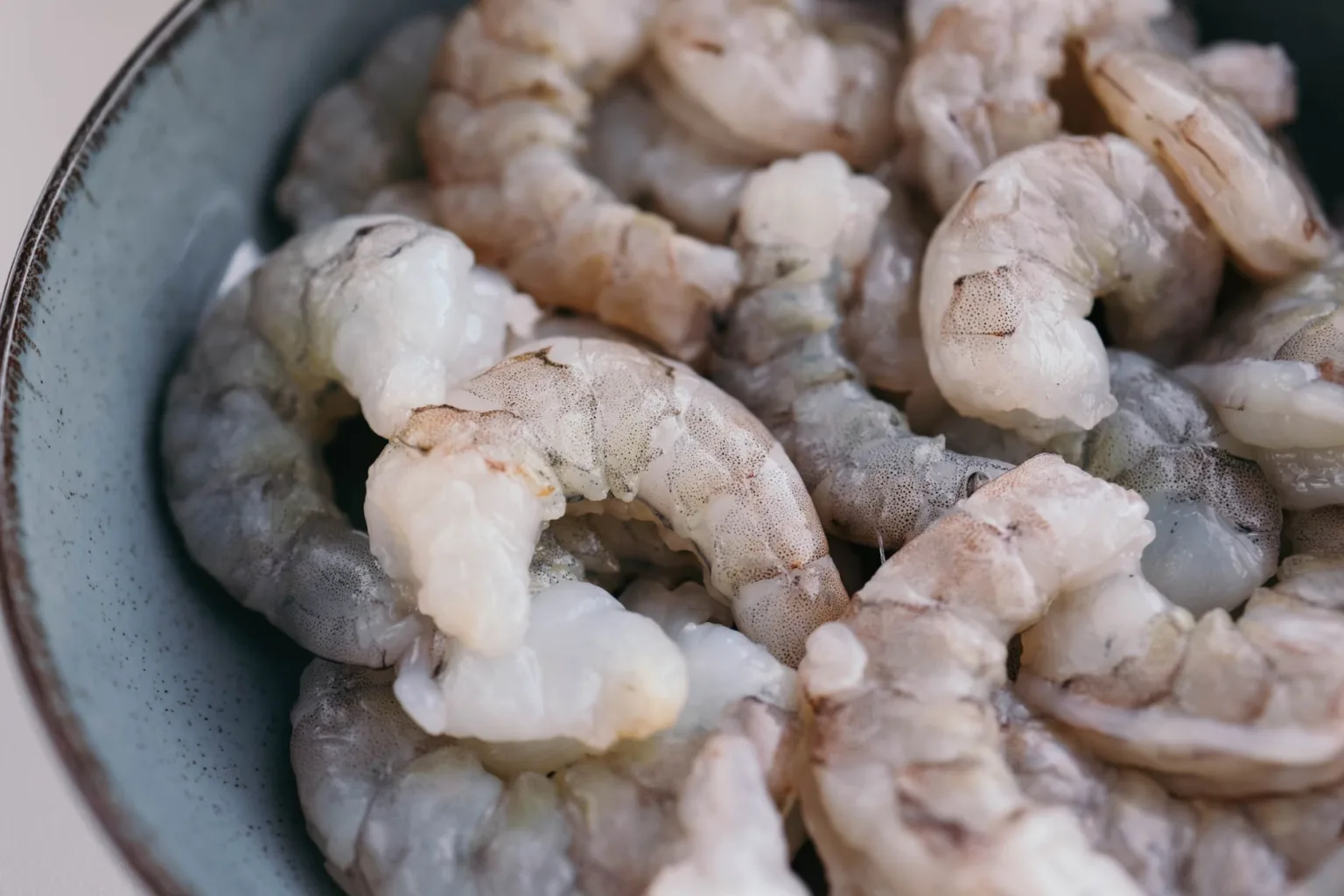
These shrimp have had their shells and visible digestive tracts removed, followed by a brief heat treatment called blanching. That description explains how they were prepared, but does not establish whether they are fully cooked or ready to eat without further cooking. Species, size and product condition can vary. Read the package to find out how they should be used; do not assume they are suitable for cold serving just because they are described as blanched.
When to use it
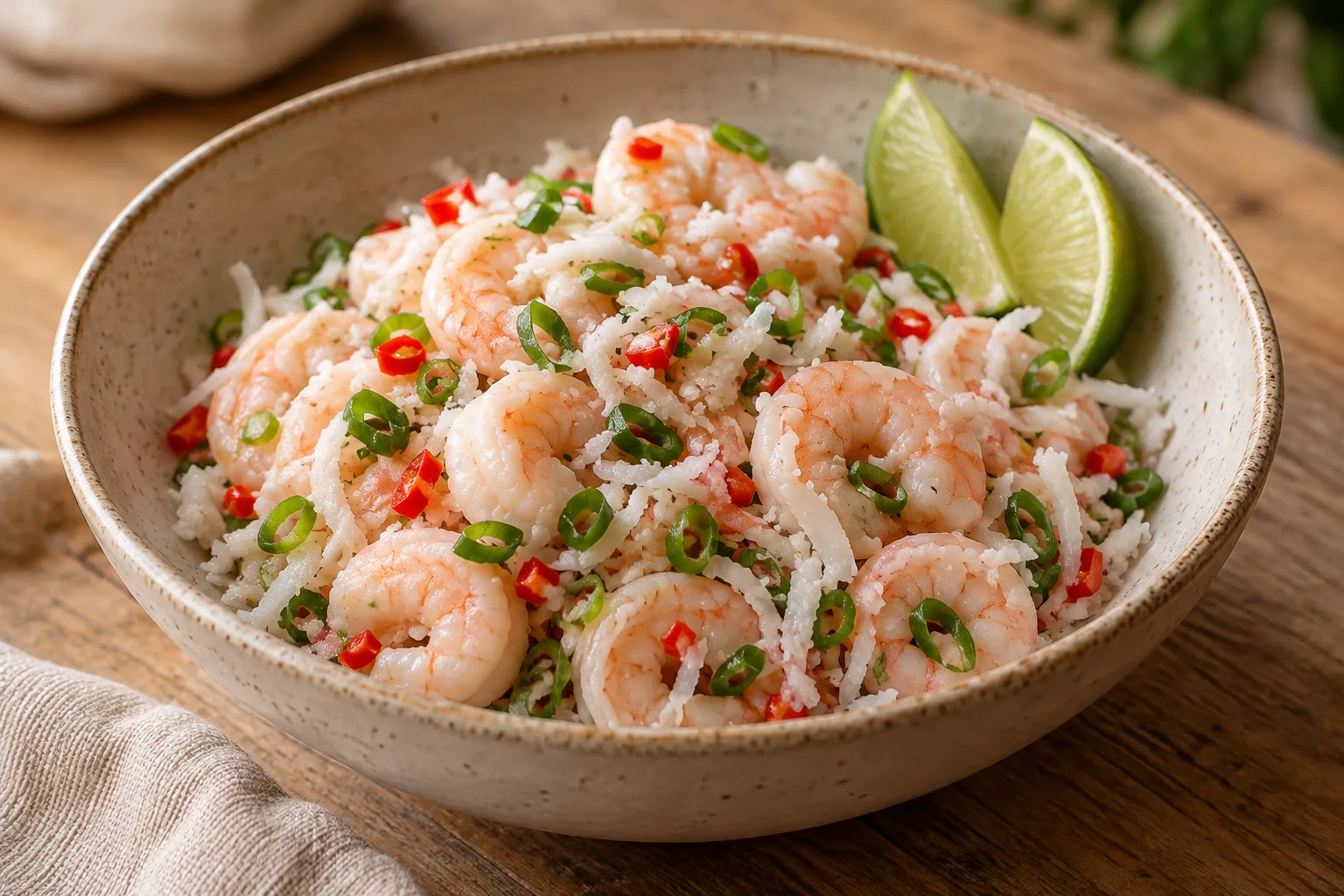
Use them when you want to skip peeling and deveining and need a convenient ingredient for a quick meal. They can be used in salads, cocktails, pasta, rice dishes and other seafood preparations. Before serving them cold, first check that the package identifies them as ready to eat. If the label calls for further cooking, add them to a hot preparation and follow the directions. Size and product condition affect the result, so choose a use that matches the information on the package.
How to use it
Before opening, read the package and check whether the shrimp are ready to eat or require further cooking. Follow the product’s use instructions. If they are ready to eat, drain them if needed and serve them cold in salads or cocktails, or add them near the end of a hot dish for brief warming. If further cooking is required, follow the package directions; do not infer doneness from the word “blanched” alone. Products can vary in size and preparation, so adapt the recipe to the information provided for the specific package.
Flavour and texture
Their flavor is usually mild and seafood-like, though it can vary with species, size and processing. Shrimp flesh can become tough if heated for too long, so avoid unnecessary heating. The word “blanched” does not by itself define the final cooking state or guarantee identical texture across products. Use the package and recipe directions to decide how to add them.
How to choose it
Choose an intact package and check the date, storage conditions and directions for use. Specifically confirm whether the product is ready to eat or needs further cooking: “blanched” does not answer that question on its own. Also check whether it is sold chilled or frozen and review the ingredient information. Size and species can vary, so select a product suited to the dish you plan to make.
Storage
Store the shrimp according to the package directions, and keep chilled products refrigerated as instructed. After opening, follow the manufacturer’s storage and use directions; do not assume a storage period if none is stated. If the product is frozen, follow the package’s thawing instructions. Keep it under the storage conditions specified for that product.
Substitutions
Another cooked, peeled shrimp product can work if its condition and package directions suit the recipe. In dishes that allow a seafood swap, fish or another seafood may also work, though the texture and preparation will differ. Adapt the method to the replacement; do not automatically treat blanched, raw and ready-to-eat shrimp as interchangeable.
Common mistakes
The main mistake is assuming that “blanched” means fully cooked or ready to eat. Check the package before serving, and do not use cooking times intended for raw shrimp if the product is already cooked. Heating them longer than needed can also toughen the flesh. Decide when to add them based on the condition and directions given for the specific product.
Safety and allergens
Shrimp are crustaceans and can cause an allergic reaction; do not serve them to someone with a crustacean allergy. “Blanched” does not confirm that they are ready to eat. Check the package directions before serving and store the product as instructed.
Culinary uses
- Convenient shrimp ingredient for cold dishes
- Seafood component for pasta, rice and mixed seafood dishes
Recommended techniques
- Serve chilled only when the package identifies the shrimp as ready to eat
- Follow package directions if additional cooking is required
Pairs well with
- Salad vegetables and dressing
- Pasta, rice and other seafood ingredients
Frequently asked questions
Does blanched mean the shrimp are fully cooked?
Not necessarily. Check the package to see whether they are ready to eat or require further cooking.
Do I need to peel or devein these shrimp again?
They are described as peeled and deveined, so those steps are usually unnecessary. Check the product before using it.
What dishes can I use these shrimp in?
They are convenient in salads, cocktails, pasta, rice and seafood preparations. Match the use to the condition stated on the package.
Ingredient allergens
Allergen listThere are no verified associations for these ingredients yet.
Estimated nutrition
- Fat
- 1.79 g
- Saturates
- 0 g
- Carbohydrate
- 0 g
- Sugars
- 0 g
- Fibre
- 0 g
- Protein
- 25 g
- Salt
- 1.39 g
Sources and review
Automatically researched, cross-checked and validated content. Sources consulted:
- ¿Por qué la muerte es origen de miedos y tabúes? doi.org/10.64628/aao.fccyk3qj3
- Client Challenge doi.org/10.2307/jj.27939689.16
- Camarones pelados y secos_Baidu Enciclopedia baike.baidu.com/es/item/Camarones%20pelados%20y%20secos/1336163
- Camarones: todo lo que necesitas saber - Compesca compesca.com/camarones-todo-lo-que-necesitas-saber/
- - YouTube www.youtube.com/watch?v=8rDkgtdIi-k
- Cómo Cocinar Camarones: Hervir, Asar, Saltear y Hornear – Intershell Seafood intershellseafood.com/es/blogs/shellfish-recipes/how-to-cook-shrimp?srsltid=AYCX9vJiPbDhGDLT…
- Cómo cocinar camarones y 10 recetas para usarlos. - La Cocina de Vero lacocinadevero.com/como-cocinar-camarones-y-10-recetas-para-usarlos/
- ¿Cómo Cocer Camarones? | Galicia Marisco www.galiciamarisco.com/blog/productos-del-mar/como-cocer-camarones-de-la-forma-mas-profesion…
- - YouTube www.youtube.com/watch?v=QqH69i9Gm4E
- Food allergen labelling and information requirements technical guidance - GOV.UK www.gov.uk/government/publications/food-allergen-labelling-and-information-requirements-tech…