- Category
- Fish and seafood
- State
- Fresh
- Usual unit
- g
What it is
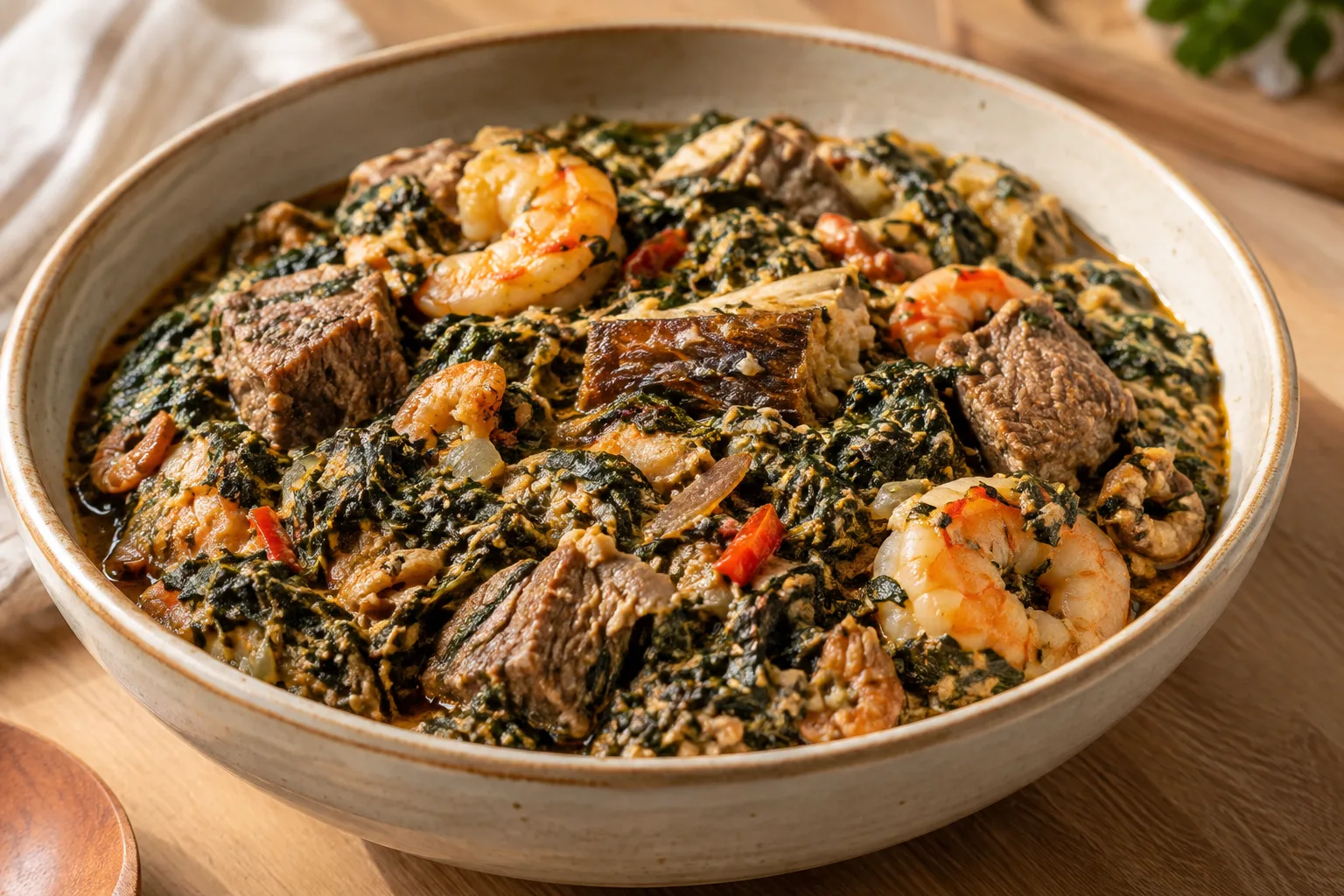
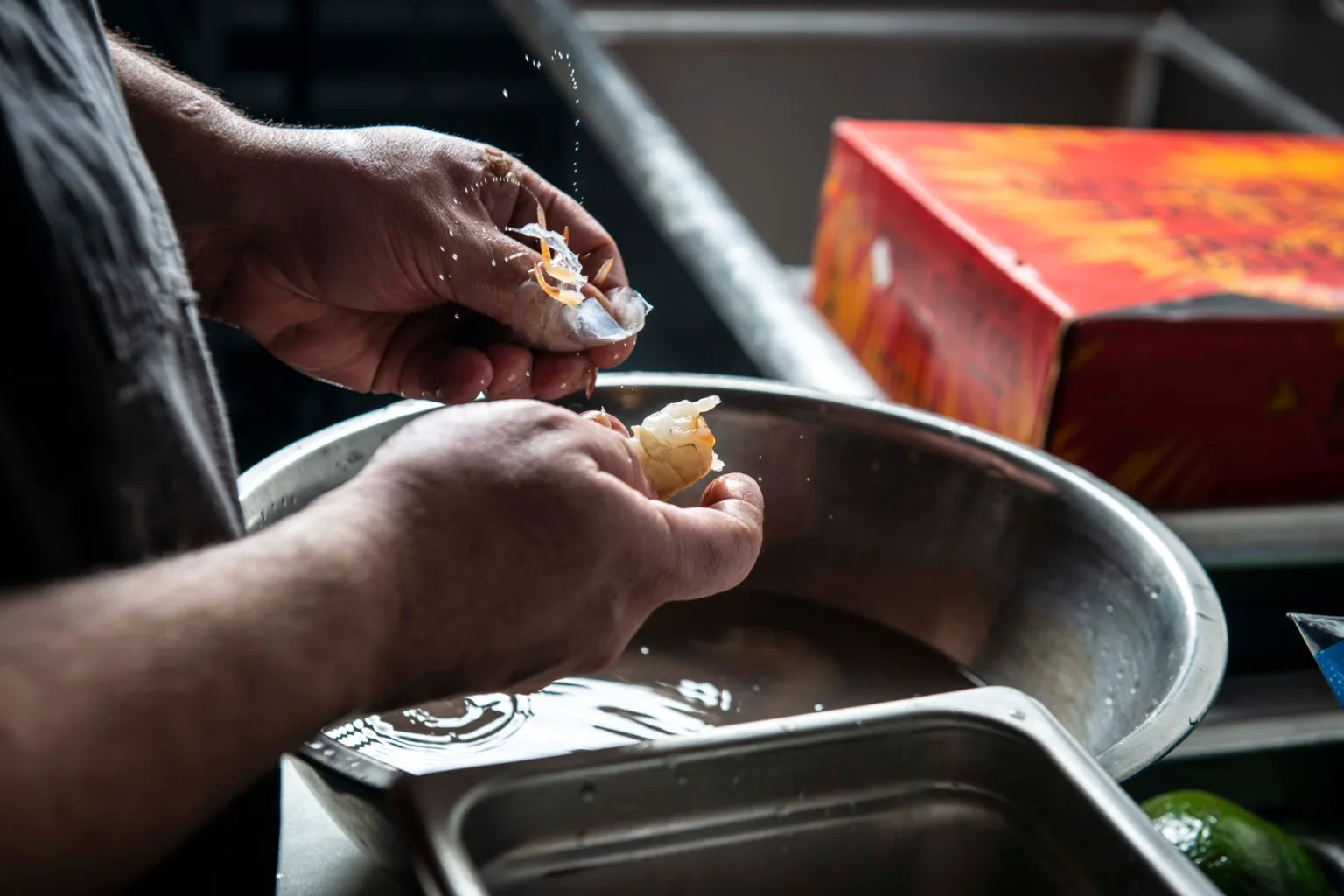
Shrimp are marine crustaceans sold in different varieties and sizes. Here, “fresh peeled” describes shrimp presented without the shell in a fresh state and ready for preparation; it does not necessarily mean they are cooked. Check the label to find out whether they are raw or cooked, since that distinction affects how to use them in a recipe. The common name alone does not identify a particular species: varieties differ, and characteristics are also affected by handling and preservation. Shrimp are used in both cold and hot dishes, from salads and sandwiches to soups, pasta, stir-fries and grilled preparations. The label may provide more information about the particular product.
When to use it
Choose peeled shrimp when you want to reduce preparation work and add shellfish to a meal without removing shells at the table. Shrimp that are already cooked can go into salads, sandwiches and other cold dishes. If they are raw, cook them before serving. They can also be added to pasta, soups and stir-fries, or prepared on the grill. Varieties and sizes differ, so adapt the preparation to the product and avoid extended cooking: the meat can become firm and dry.
How to use it
Before cooking, check the label to find out whether the shrimp are raw or cooked; being peeled does not mean they are ready to eat. If raw, cook them in a hot preparation before serving. You can sauté them, grill them, or add them to soup or pasta. They also work with rice, salads and sandwiches. For cold dishes, use shrimp that are already cooked. If adding cooked shrimp to a hot preparation, add them near the end to avoid excessive reheating. Avoid overcooking raw shrimp: the meat can become firm, dry or rubbery. Size and product can vary, so do not apply one fixed cooking time to every piece.
Flavour and texture
Flavor and texture differ by variety and by how the shrimp were produced or caught. Shrimp are generally described as delicate and slightly sweet, though products do not all have the same profile. When properly cooked, the meat can be tender and juicy; extended cooking can make it firm, dry and rubbery. Color also varies among varieties and preparation states, so do not use color alone to identify the species.
How to choose it
Buy shrimp from a seller who can tell you whether they are raw or cooked and how they have been handled. Check the package and label: the common name can cover different species, sizes and origins. If the information is available, check the species and origin. Avoid products with an unusual smell, especially an ammonia-like odor. Do not assume that a product sold as fresh has never been frozen; ask if that distinction matters to your purchase.
Storage
Shrimp are sold in different forms, including fresh or frozen, and raw or cooked. Follow the package or seller’s directions for storing the particular product you bought, and observe any stated use-by guidance. Do not assume that one storage instruction applies to every shrimp product, since its state and presentation can differ. If the storage directions are unclear, check with the seller before putting the product away.
Substitutions
Frozen peeled shrimp can replace fresh shrimp in many preparations, although characteristics depend on the product. Follow the package directions for thawing and cooking. Cooked shrimp is an option for salads, sandwiches and other cold dishes; if adding it to a hot preparation, add it near the end to avoid excessive reheating. Always check whether the substitute is raw or cooked and adjust the preparation accordingly.
Common mistakes
Do not confuse “peeled” with “cooked”: raw peeled shrimp still needs cooking before serving. Do not extend cooking in the hope of making it more tender; the meat can become firm, dry or rubbery. Another mistake is assuming all shrimp have the same species, size, flavor or use, or deciding that shrimp is fresh based only on the counter label. Read the package and adapt the preparation to the particular product.
Safety and allergens
Shrimp are crustaceans and can cause allergic reactions, some of them severe. Avoid them if you have a crustacean allergy. Distinguish raw from cooked product and follow the package or seller’s handling directions. If you are unsure whether a product is suitable for you because of an allergy, consult a health professional.
Culinary uses
- Ingrediente principal para platos calientes
- Proteína para ensaladas y preparaciones frías
- Complemento para sopas, pastas y salteados
Recommended techniques
- Saltear
- Asar a la parrilla
- Añadir a sopas o pastas
Pairs well with
- Pasta
- Arroz
- Ensaladas
- Sopas
- Ajo y cítricos
Frequently asked questions
Is peeled shrimp ready to eat?
Not necessarily. “Peeled” means the shell has been removed, not that the shrimp has been cooked. Check the label and cook raw shrimp before serving.
How can I keep shrimp from turning rubbery?
Avoid extended cooking. The meat can become firm, dry and rubbery when overcooked; adapt the preparation to the product and its size.
What dishes can I make with peeled shrimp?
Use them in salads, sandwiches, soups, pasta, stir-fries and grilled dishes. Choose raw or cooked shrimp according to the recipe.
Ingredient allergens
Allergen listThere are no verified associations for these ingredients yet.
Sources and review
Automatically researched, cross-checked and validated content. Sources consulted:
- Client Challenge doi.org/10.2307/jj.27939689.16
- The Essential Glossary of Cooking Terms for the Culinary Arts - Escoffier www.escoffier.edu/blog/culinary-arts/the-essential-glossary-of-cooking-terms-for-the-culinar…
- Representaciones del capital cultural en Cocina ecléctica via.library.depaul.edu/cgi/viewcontent.cgi?article=1401&context=dialogo
- Camarones pelados y secos_Baidu Enciclopedia baike.baidu.com/es/item/Camarones%20pelados%20y%20secos/1336163
- Camarones: todo lo que necesitas saber - Compesca compesca.com/camarones-todo-lo-que-necesitas-saber/
- Arroz frito chisporroteante con guisantes | University of Maryland Extension extension.umd.edu/programs/family-consumer-sciences/snap-ed/eat-smart/recipes-spanish/arroz-…
- Luis Daniel Jiménez: un cocinero principiante dando de qué hablar northbridge.edu/es-pr/publicaciones/luis-daniel-jimenez-un-cocinero-principiante-dando-de-qu…
- - YouTube www.youtube.com/watch?v=pFyNyrDyLoY
- Camarones, un manjar incomparable del mar — Cuisine Santé du Chef Jimmy O'Brien cuisinesante.net/es/article.html?slug=la-crevette-delice-de-la-mer-incomparable
- Camarones | Cook for Your Life www.cookforyourlife.org/es/nuestro-blog-de-cocina/camarones/
- Food allergen labelling and information requirements technical guidance - GOV.UK www.gov.uk/government/publications/food-allergen-labelling-and-information-requirements-tech…