- Category
- Vegetables
- State
- Fresh
- Usual unit
- g
What it is
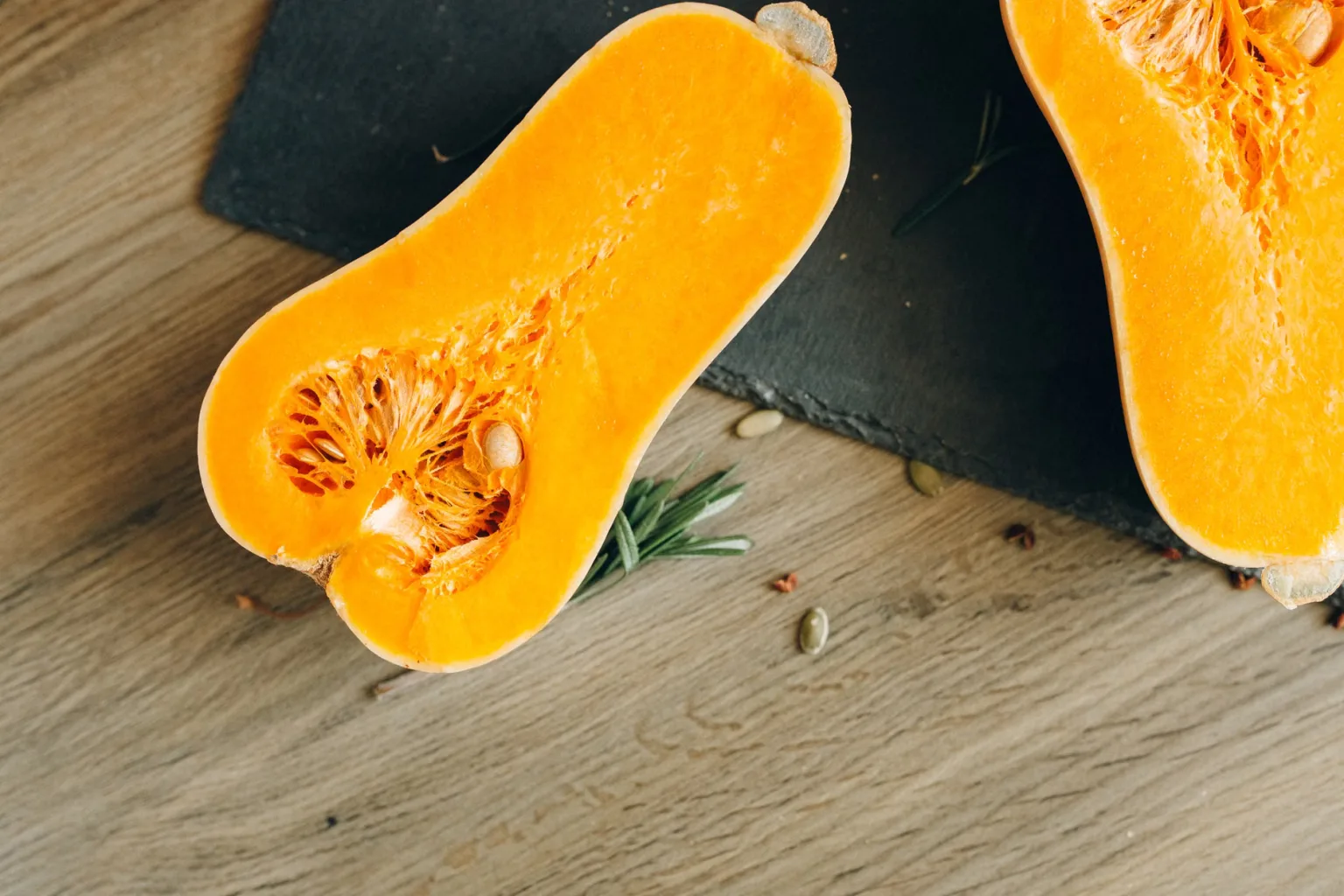
Peeled squash is the fresh flesh of a squash or pumpkin with its rind removed. The word “squash” covers many cucurbit fruits, so it does not identify one particular variety. Shape, size, color, flavor and texture can all differ, as can the flesh’s moisture and firmness. In cooking, squash is commonly handled as a vegetable, although botanically it is a fruit. Peeled squash is ready to cut or cook, but a piece may still contain seeds or stringy inner fibers that can be removed as needed. Its flesh works in both sweet and savory dishes, and the cooking method makes a noticeable difference: boiling can produce moist, soft flesh, while roasting can concentrate its flavor and brown the surface.
When to use it
Use peeled squash when a recipe calls for squash flesh without the rind and you want to skip peeling a whole one. It suits soups, stews, purées and sauces, as well as roasted dishes, fillings and sweets. Choose the method for the texture you want: moist flesh can work well in a soup, while roasting helps concentrate flavor and brown the surface. Squash varieties differ in moisture and density, so they will not all make equally thick purée or soften at the same rate. If the variety is not identified, check the texture as it cooks and adjust the recipe’s liquid accordingly.
How to use it
Inspect the flesh and remove seeds, stringy fibers or damaged areas if present. Cut it into similarly sized pieces for more even cooking. To roast, toss with a little oil and salt and cook until tender and browned. For soup or stew, add the pieces and simmer until soft; blend afterward for a cream or purée. Peeled squash can also be grilled or used in fillings and sweet preparations. The flesh may hold considerable water, and varieties differ in density, so add liquid gradually if you want a thick result. If the cooked squash is too wet, drain it or cook it a little longer to evaporate some moisture.
Flavour and texture
The flavor is generally mild and slightly sweet, though it varies between varieties and individual pieces. The flesh may be moist and tender or denser, firmer and more floury, so peeled squash does not always behave the same way in a recipe. Boiling or stewing usually makes it soft and moist. Roasting can remove water, concentrate flavor and brown the surface. When blended, it makes purées and soups whose thickness depends on the squash and the amount of liquid added.
How to choose it
When buying squash already peeled, look for firm, fresh-looking flesh without soft, sunken or visibly spoiled areas. The generic name may not tell you the variety, so ask if a recipe depends on especially dense or dry flesh. Color and firmness vary by type; consider the dish you plan to make. Denser flesh can be useful for roasting or a thick purée, while a moister variety can work in soups and stews.
Storage
Keep peeled squash in a covered container or wrapped in the refrigerator, and try to use it promptly. Cut flesh keeps for less time than a whole squash. To help maintain its quality, avoid leaving it exposed to air and separate any pieces that show spoilage. Moisture and the squash’s condition when purchased affect its keeping time, so one exact storage duration does not apply to every variety and situation.
Substitutions
You can replace it with peeled flesh from another squash, ideally one with a texture similar to the one the recipe needs. A moister variety may make soup or purée thinner; dense flesh may need more liquid or a different cooking approach. Butternut squash is one possible alternative, but it will not guarantee an identical result. Adjust liquid and check doneness rather than assuming every variety cooks alike.
Common mistakes
Do not assume every peeled squash has the same moisture, sweetness or density. Adding all the liquid at the start can make purée watery, while cooking pieces of very different sizes can lead to uneven results. For roasting, avoid crowding the pieces if you want browning. Check the texture before blending and adjust the liquid at the end.
Safety and allergens
Handle the flesh with clean hands, utensils and surfaces, and refrigerate cut portions that will not be cooked promptly. Discard pieces with clear signs of spoilage and follow your local official food-safety guidance.
Culinary uses
- Base for soups, stews, purées and sauces
- Vegetable ingredient for roasted, grilled and baked dishes
Recommended techniques
- Roasting
- Boiling or simmering
- Grilling
- Puréeing
Pairs well with
- Olive oil and salt
- Cinnamon, clove or nutmeg
- Beans and corn
Frequently asked questions
Is squash a fruit or a vegetable?
Botanically, squash is a fruit. In cooking, it is commonly treated as a vegetable and used in soups, stews and other savory dishes.
Should peeled squash be washed?
If you need to rinse it, use potable water and dry it with clean utensils before cooking. Keep the flesh away from unclean surfaces.
Why is my squash purée watery?
Squash varieties differ in moisture and density. Drain the flesh or cook it a little longer to evaporate liquid, and add recipe liquid gradually.
Ingredient allergens
Allergen listThere are no verified associations for these ingredients yet.
Sources and review
Automatically researched, cross-checked and validated content. Sources consulted:
- Client Challenge doi.org/10.2307/jj.27939689.16
- Calabaza - Wikipedia, la enciclopedia libre es.wikipedia.org/wiki/Calabaza
- Regionalismo y centralismo culinario en un manuscrito huancaíno del siglo XIX : influencias y sabores | OpenAlex openalex.org/W2981277873
- Para la ciudadanía www.aesan.gob.es/para-la-ciudadania
- - YouTube www.youtube.com/watch?v=ITiBK-qKKmU
- Gastromimix: La calabaza gastromimix.blogspot.com/2009/10/la-calabaza_16.html
- ¿Qué es la calabaza, fruta o verdura? | Mercado Las Águilas mercadolasaguilas.es/que-es-la-calabaza
- Zapallo: el ingrediente dorado de la cocina latinoamericana | Club Susazón clubsusazon.com/noticias/zapallo-el-ingrediente-dorado-de-la-cocina-latinoamericana/
- Beneficios de la calabaza: una fruta llena de nutrientes muyinteresante.okdiario.com/ciencia/63471.html
- CÓMO COCINAR LA CALABAZA: 4 TEXTURAS Y TRUCOS PARA APROVECHARLA www.alambique.com/blog/como-cocinar-calabaza-n796?srsltid=AYCX9vLhA6jAO3PcTtYZ85EmsxEUNydF8a…